
What If Wellness Travel Isn't What You Think?
Three properties, three very different definitions of wellness. A Well Placed Travel conversation with Meg Crosby of J.MAK Hospitality
Wellness travel can feel harder to enter than it should, full of assumptions about who it's for and what it requires.
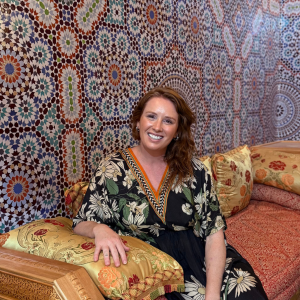
Meg Crosby represents a portfolio of boutique hospitality partners including hotels, resorts, villa companies, private jets, and yachts, at J.MAK Hospitality and works exclusively with travel advisors.
This role connects her regularly with some of the most distinctive wellness properties in the world. She admits she once assumed the category excluded her. Three stays at a sanctuary in Thailand, a retreat in Provence, and a working ranch on the California coast changed her thinking entirely and reshaped how she now guides advisors toward the right fit for their clients.
Q: What would you say to someone who considers "wellness travel" an overused term?
Meg: The value never lived in the label. It lives in the conversation that precedes the trip. Wellness means something different to every traveler, and the most useful starting point skips the checklist and starts with a clear sense of what someone truly wants to feel by the end of the stay. That's where an advisor's expertise matters most: shaping a trip around a specific person, rather than a category.
Q: When you considered wellness properties for this piece, what was your own starting point?
Meg: I assumed the category required a certain kind of traveler, someone already immersed in fitness or spiritual practice. Visiting these three properties corrected that assumption. Wellness, it turns out, shifts with every traveler who seeks it, which makes the category far more accessible than its reputation suggests.
Thailand: A Judgment-Free Wellness Zone
Q: The first property is Kamalaya Wellness Sanctuary, on Koh Samui. What does a stay there involve?
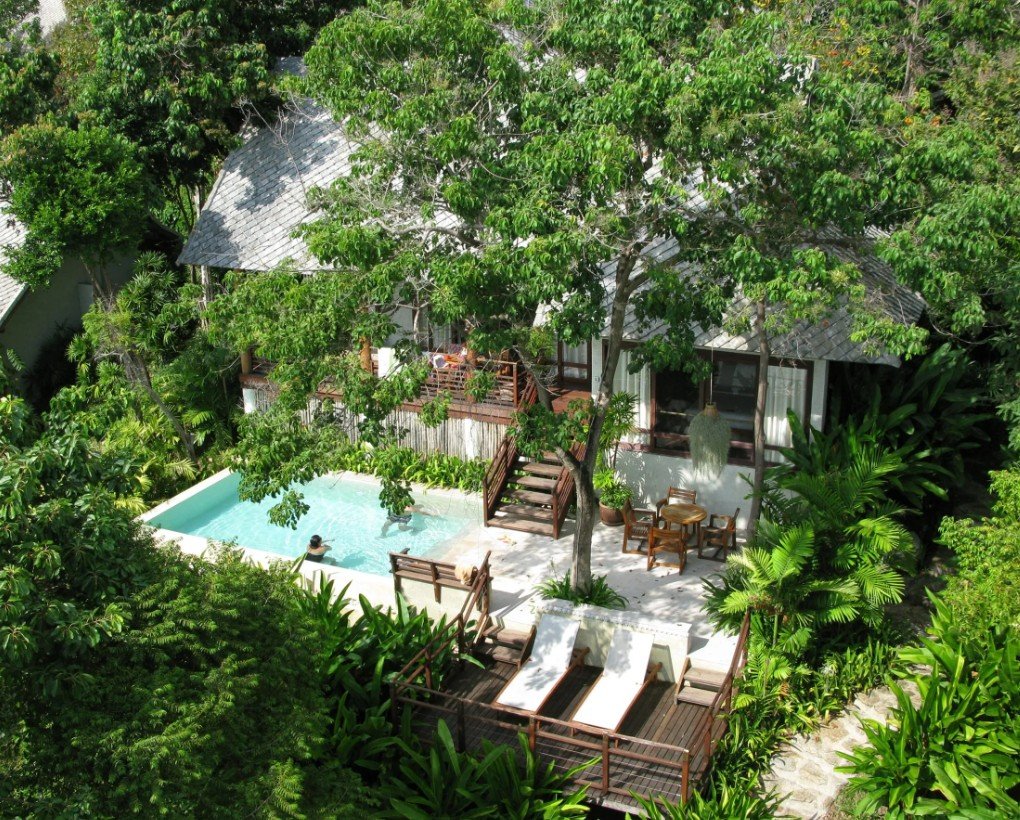
Meg: Kamalaya sits on a hillside above a private cove, reached by a short flight into Koh Samui and a forty-five-minute drive across the island. The setting does much of the work before any programming begins — part jungle, part coastline, with the kind of view that recalibrates a traveler's pace on arrival. The property began as a spiritual retreat for monks, and meditation caves remain on the grounds, lending it a genuine history rather than a manufactured wellness aesthetic.
Kamalaya recommends a minimum stay of three to four nights, with six or seven considered ideal. Every guest begins with a consultation with a naturopath, who helps shape the stay around specific goals: physical, psychological, or both. From there, a guest can follow a fully structured itinerary of workshops and sessions or build one gradually, drawing from offerings that range from cognitive therapy to a conversation with a former monk to unstructured time on the beach. Kamalaya serves wine at dinner for those who want it, and nothing about the experience feels prescriptive; the range of what qualifies as wellness here stays intentionally wide.
Q: What kind of traveler did you meet while you were there?
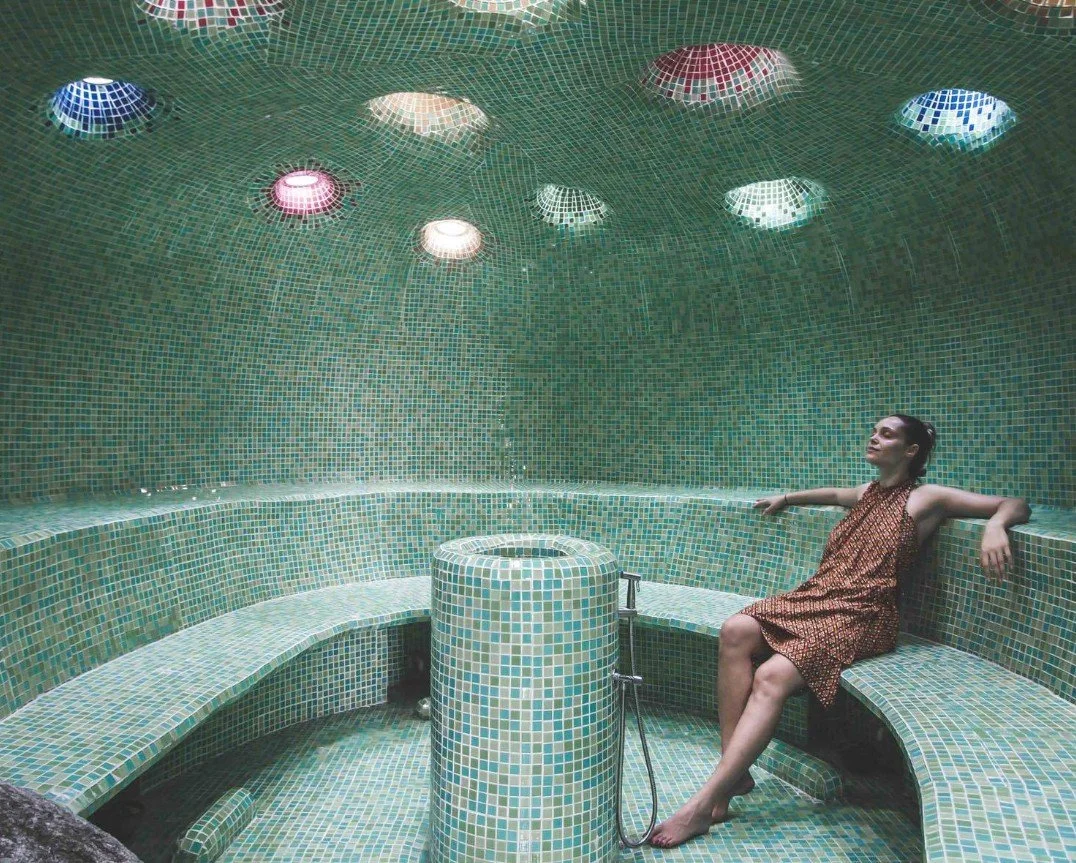
Meg: Solo travelers gravitate toward Kamalaya, and the communal dining table tends to be where the experience opens up. Guests range from first-time visitors to those returning for a seventeenth consecutive year.
The mix skews toward people taking a deliberate pause: a parent stepping away from a household for the first time in years, a professional recalibrating after a career transition, a longtime guest simply keeping a ritual. Roughly forty percent of Kamalaya's guests travel solo, and a notable share of that group skews male, a quiet departure from the assumption that wellness travel skews female. Nearly half of all guests return, an unusually high rate by hotel standards, and a meaningful signal of how past guests regard the property.
Provence, Slowed Down
Q; Lou Calen Retreat, in Provence, is a less expected wellness destination. What sets it apart?
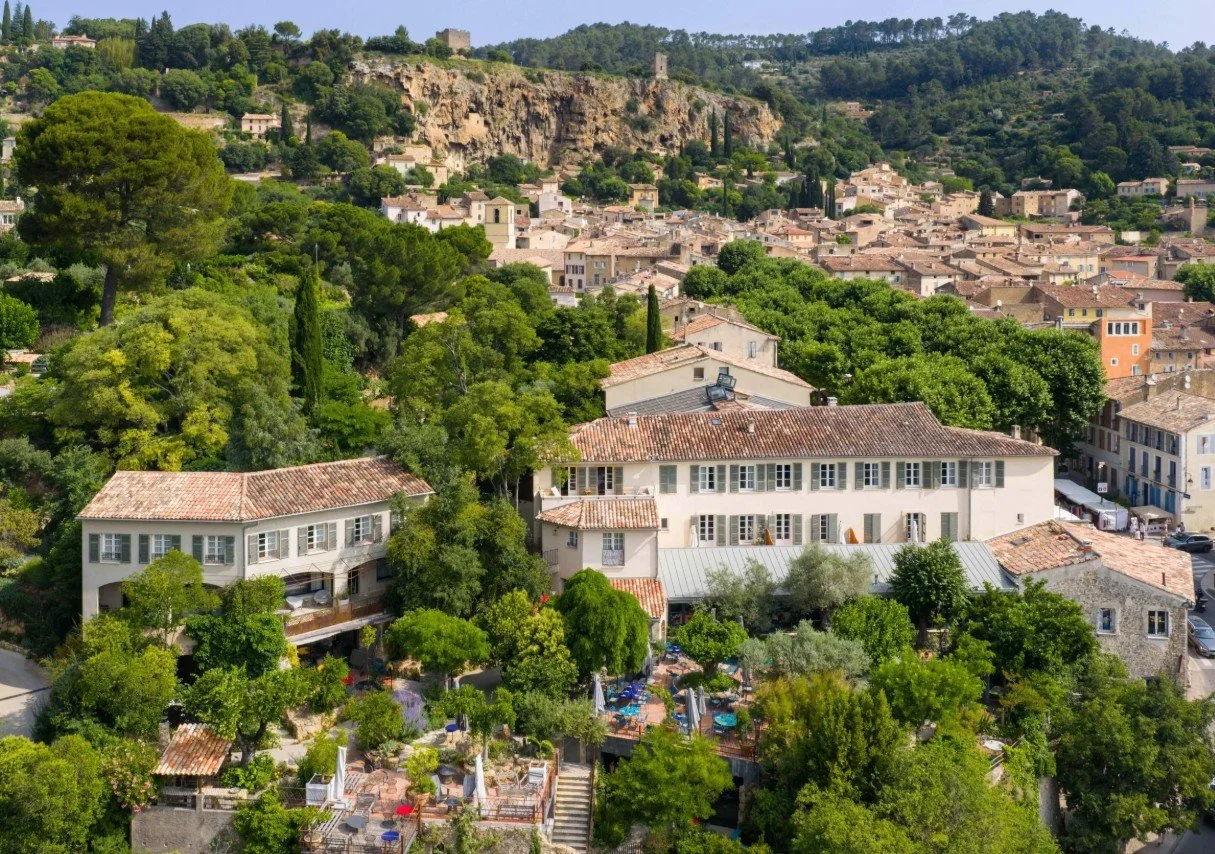
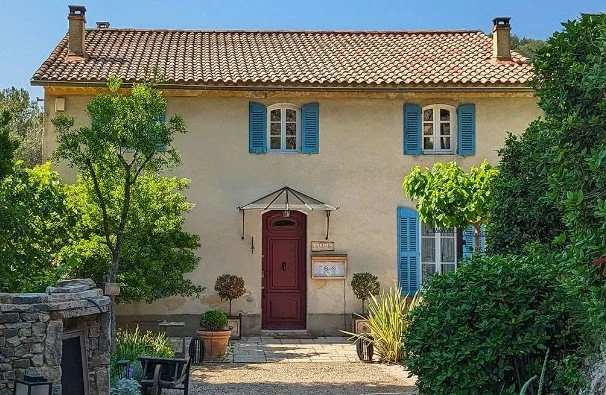
Meg: Lou Calen sits in Cotignac, a village recognized as among the most beautiful in France, less than ninety minutes from Cannes. It doesn't function as a wellness property in the clinical sense . It operates as a resort woven directly into the life of its village, with a spa, gardens, and pools on-site. Its real distinction lies in how far its influence extends beyond the property line: local wineries, restaurants, a small art museum. The hotel functions as the heart of the village rather than a compound set apart from it.
Q: How does that experience differ from Kamalaya's?
Meg: Where Kamalaya centers on inward, personal work, Lou Calen runs on pace rather than program.
It offers a version of daily life that many North American travelers rarely experience at home- unhurried mornings, local markets, time with nowhere in particular to be. The region has also maintained a long-standing, understated presence among prominent figures, including nearby Miraval Studios, a quiet testament to the discretion Provence has offered for decades.
California, Unplugged
Q: The Inn at Newport Ranch, in Fort Bragg, California, rounds out the report. What makes it distinct?
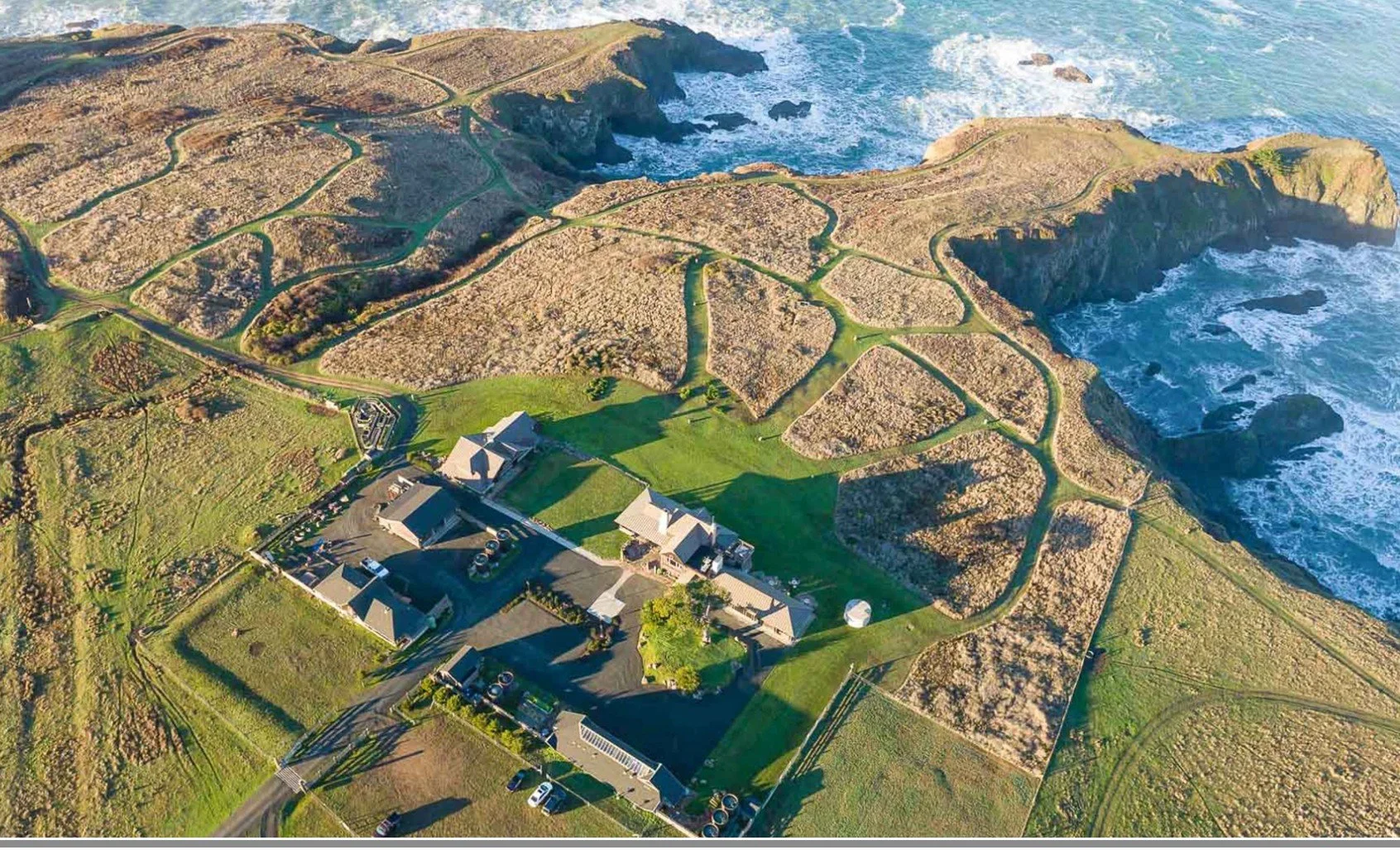
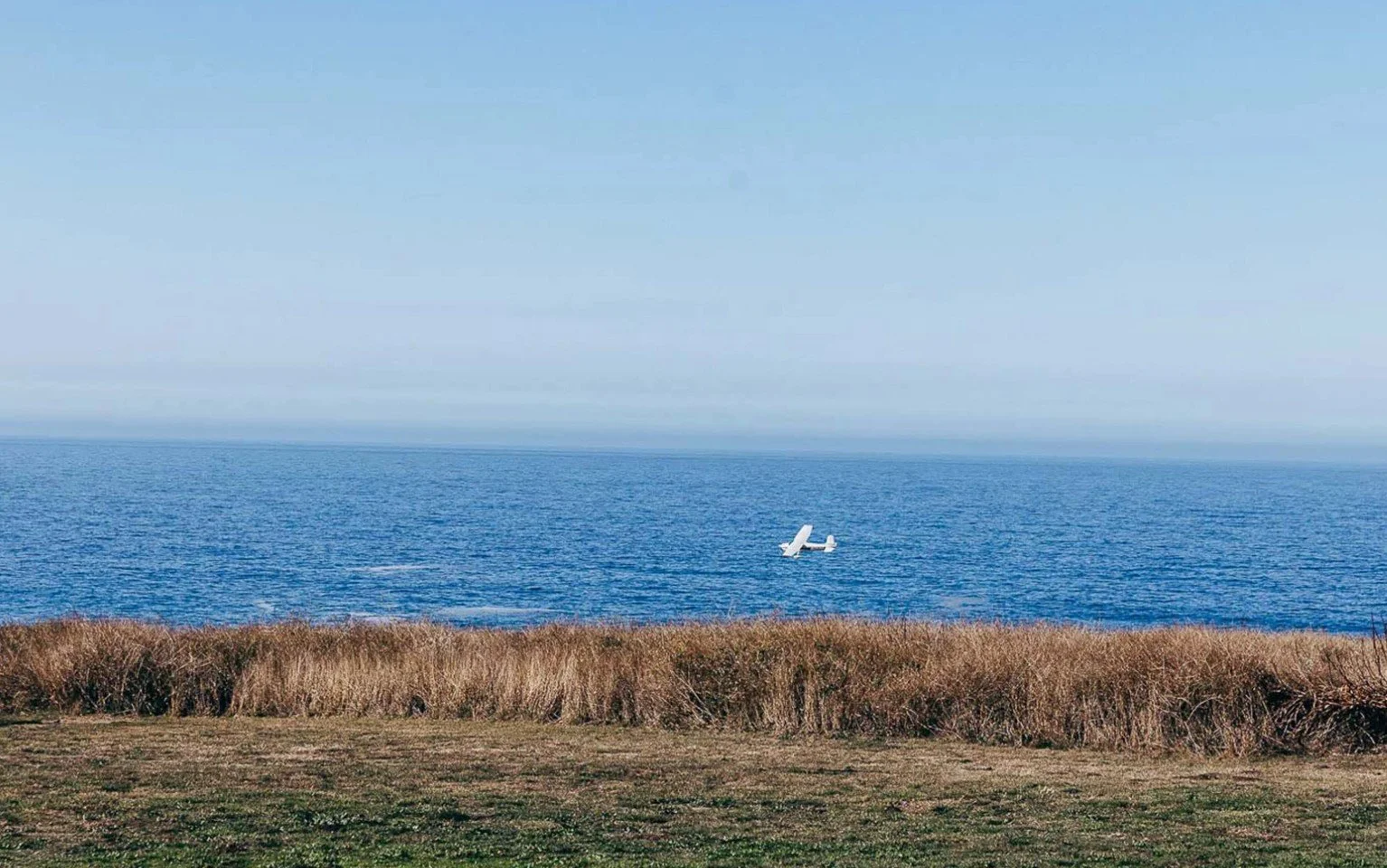
Meg: The property sits on a working cattle ranch along the Mendocino coast, roughly a three-hour drive north from San Francisco through redwood forest. The arrival itself shapes the experience. Forest opens into pasture, the main house on one side and cliffs down to the Pacific on the other. The property caps capacity at thirty-six guests across twenty-two hundred acres of protected land preserved by the owner, including forest that loggers cleared decades ago and has since regenerated undisturbed.
If Kamalaya represents a deliberate reset and Lou Calen a slower, more active pace, the Inn at Newport Ranch leans closer to a full stop, built around disconnection- though not the empty or forced kind.
Cell service reaches the property; guests simply stop reaching for it. The time that would go to a screen goes instead to the land and to simple, tactile pleasures: a concert under open sky, an artist in residence working en plein air, s'mores by the fire at dusk, a morning spent foraging mushrooms that turn up on the breakfast plate. Weather and light set the pace rather than a schedule, and each day shapes itself around private trails, with guests gathering at a shared table by evening much the way they do half a world away at Kamalaya.
The wellness lives in the setting rather than a program. The property stays small and intimate, capped low enough that it never feels like a hotel, and the entire experience centers on peace and comfort: the sense of stepping a world away from a busy life without giving anything up to get there. There’s a little spa downstairs by the fire, but the truth is you don’t need it to feel reset. You feel that just being on the property.
Q: Across all three properties, what does a relationship with a travel advisor change for the traveler?
Meg: Access and accountability. A good advisor has direct lines to the general manager, the sales lead, and the concierge rather than a reservations queue. Because of the discovery process an advisor conducts in advance, a property often understands a client's preferences before arrival, which is what makes it anticipate that arrival rather than process it as a transaction.
Often it earns a traveler an amenity beyond the standard offering. That's the difference between finding a beautiful hotel online and having someone genuinely take care of you once you're there.
Three properties, three very different definitions of the same word - that, in the end, is the point. The right wellness trip never lands on a fixed destination. It's a conversation.
Well Placed Travel helps you find your perfect place, built around who you are, not just where you say you want to go.
It starts with a conversation.
Thanks to Meg and to the hotels for photo usage.
Want to see more inspiring destinations? Check these out.
