
Came for the Pinot and Stayed for Everything Else
What happens when a birthday surprise, a month of planning, and the right local connections collide in Willamette Valley, Oregon
A town on the edge of something
I came for the Pinot Noir—drawn by reputation, terroir, and the promise of a well-earned glass in wine country. But what unfolded was something far less predictable and far more lasting. This was not just a tasting trip; it was a study in place, pacing, and the quiet details that define exceptional travel. Somewhere between the vineyards, the meals, and the unplanned moments, the experience expanded into something richer than the itinerary ever suggested.
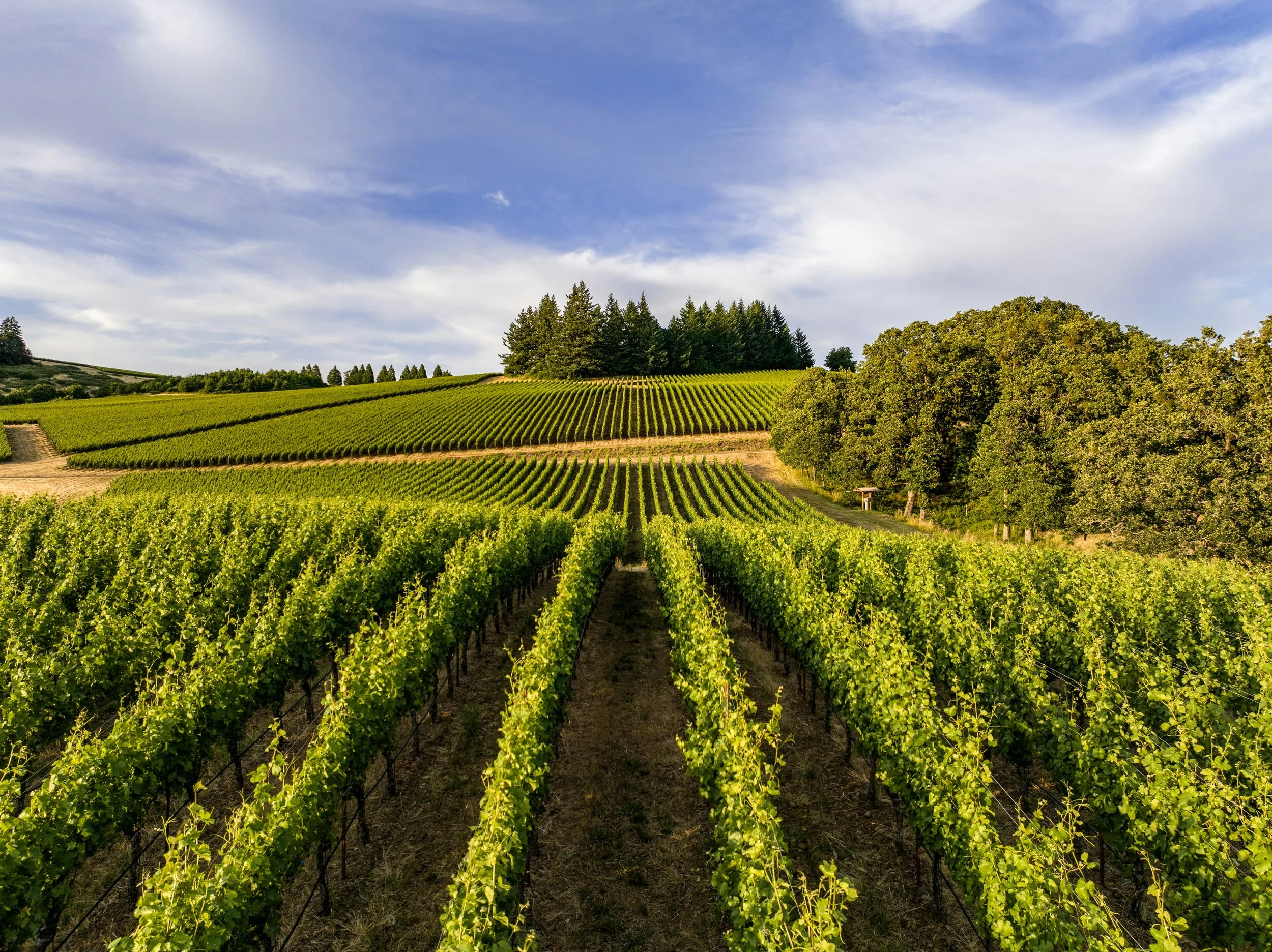
Willamette Valley, Oregon - Photo Credit Dan Meyers
The jumping-off point is McMinnville, about an hour southwest of Portland — a quintessential American town with a picturesque Main Street, quirky independent shops, excellent local food, and boutique hotels that punch well above their weight. Pay attention to this town. Two new hotels are in development, which tells you everything: this gem is about to tip the tourist scales.
The surrounding hills spread in every direction with farms, vineyards, and on this early spring weekend, budding vines and blooming flowers, with field workers already readying the earth for the growing season. The whole valley felt like it was waking up from a long, beautiful sleep.
We chose this region for our shared love of Pinot Noir. I narrowed our winery list around three criteria: sparkling producers, Pinot-focused estates, and winemakers who came to wine through unexpected paths. Maybe it's a mid-life thing, but origin stories involving risk, reinvention, and new beginnings felt exactly right for where we are. The concierge at The Tributary gave us a lengthy list from which to choose. It was the first sign that the staff here didn't just answer questions- they anticipated them.
The hotel that figured out privacy
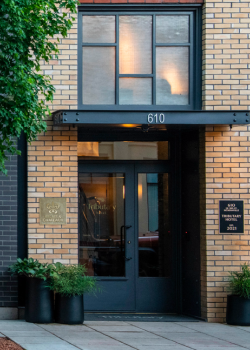
The Tributary, McMinnville
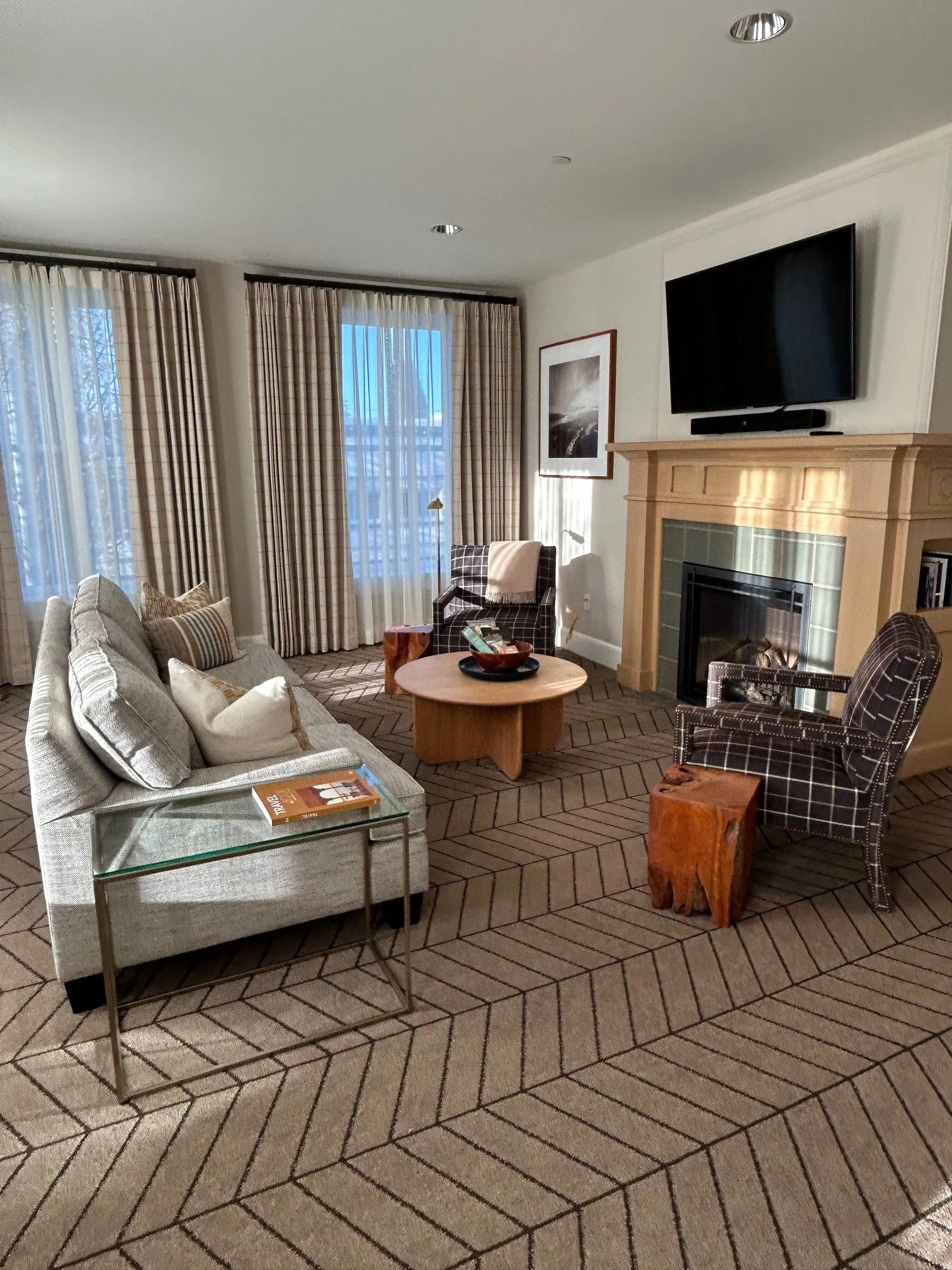
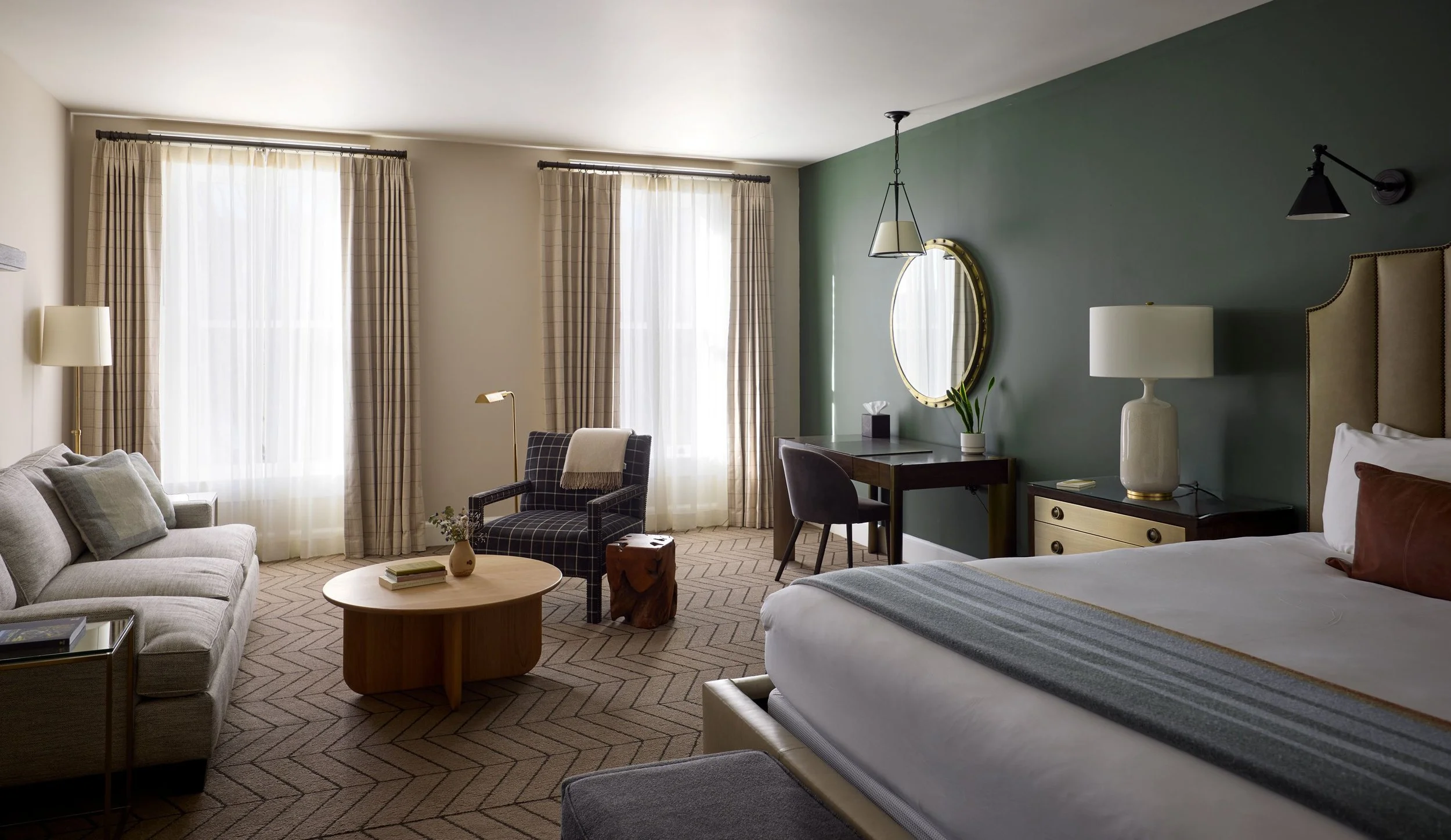
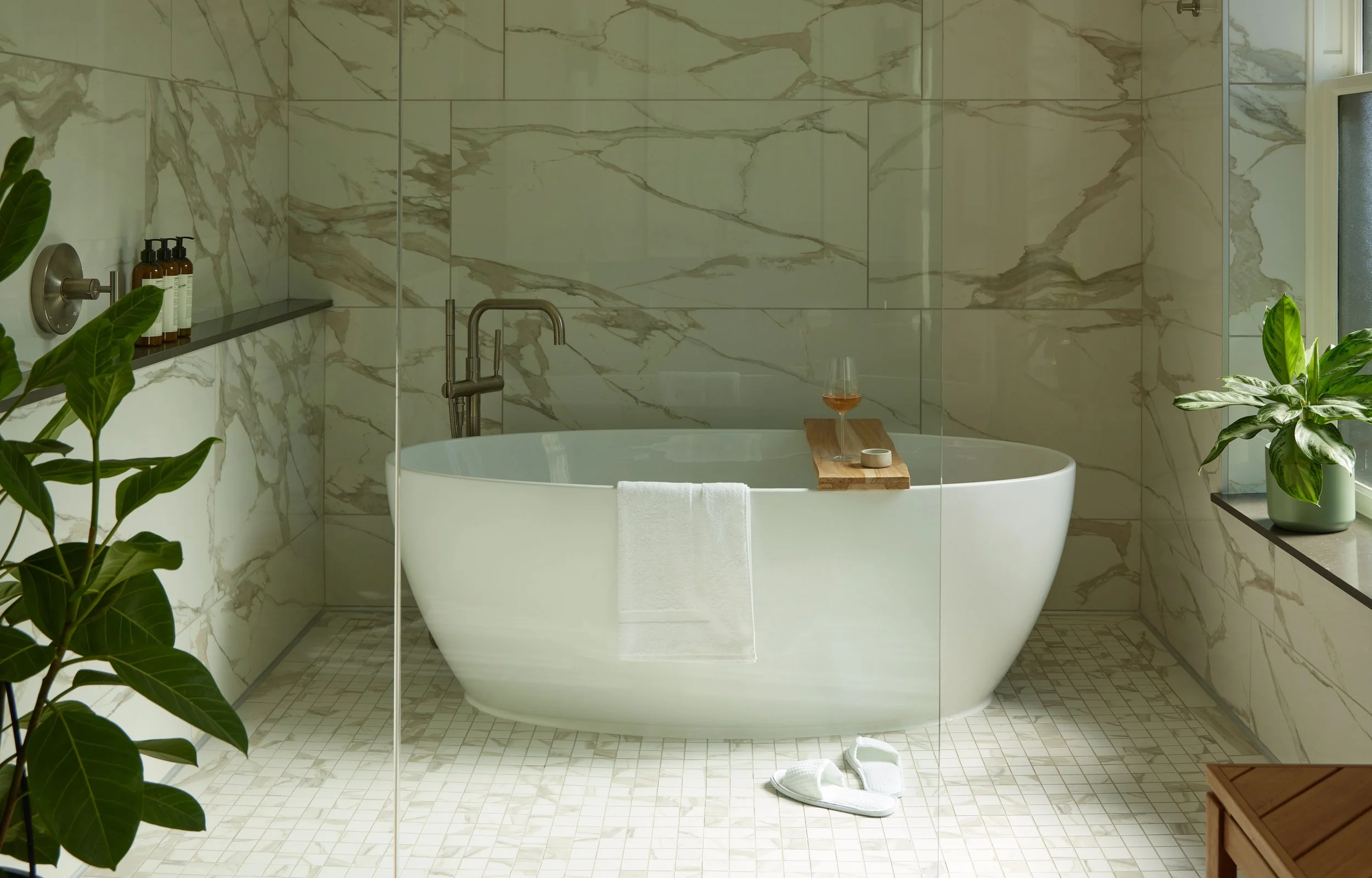
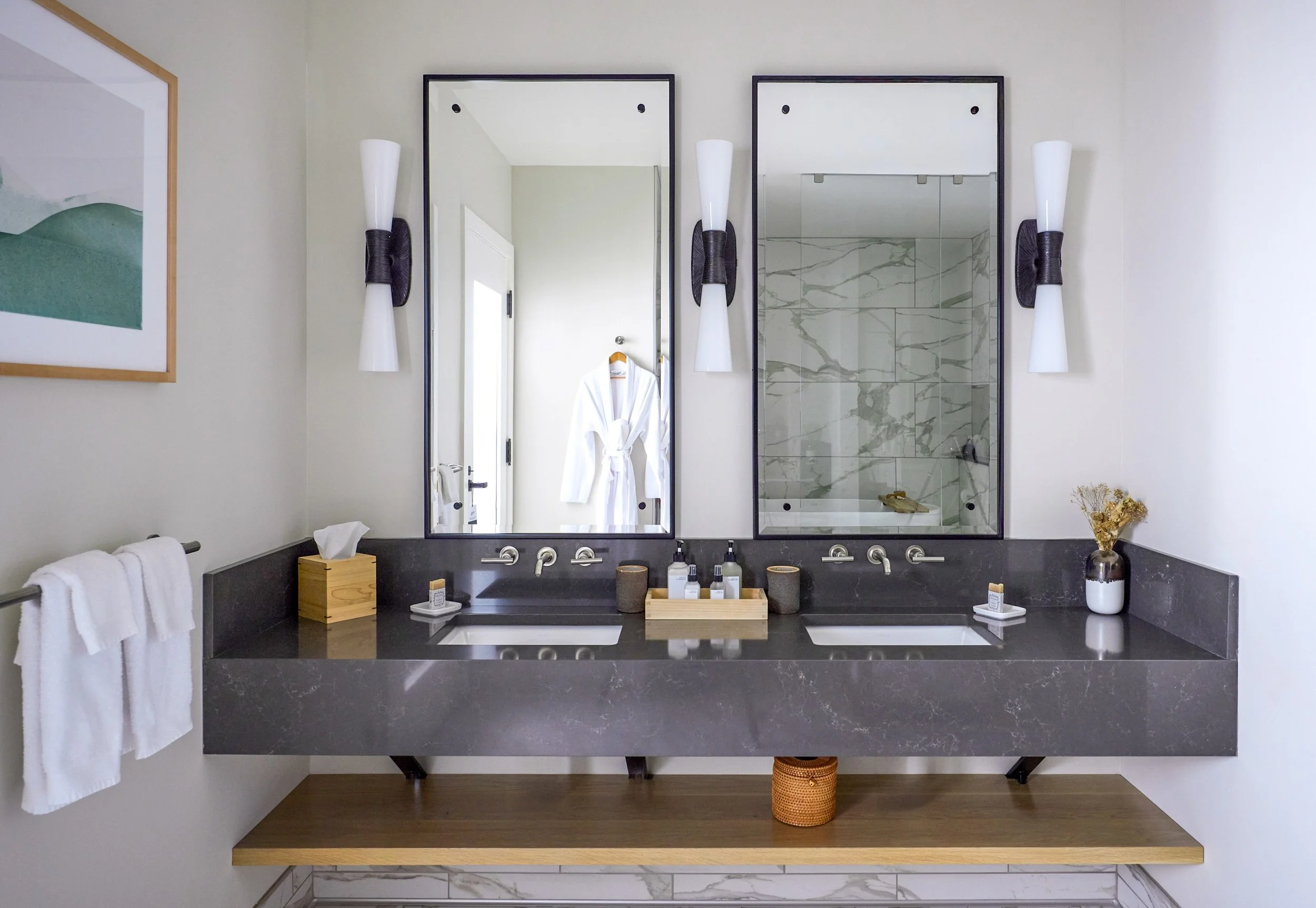
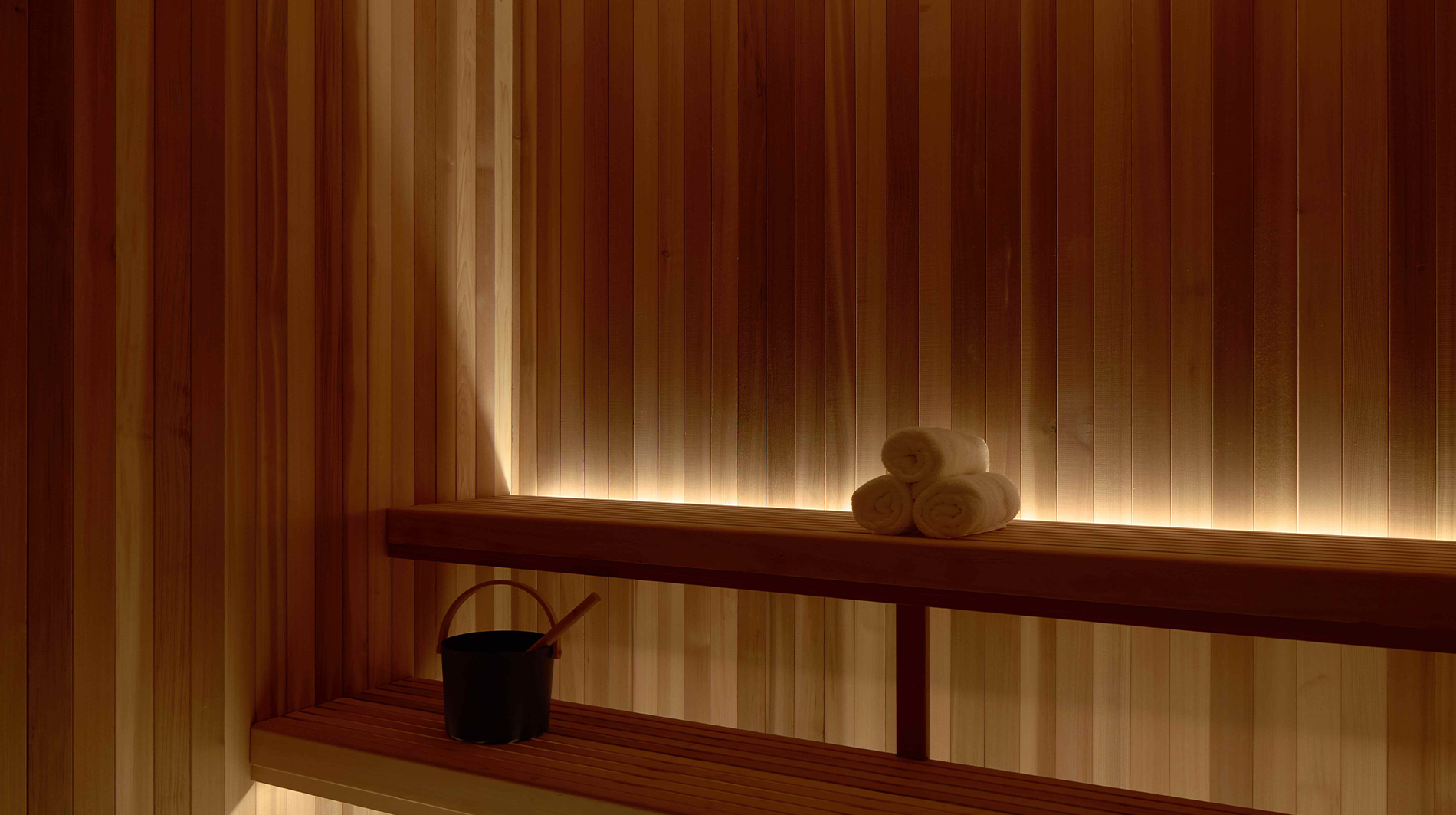
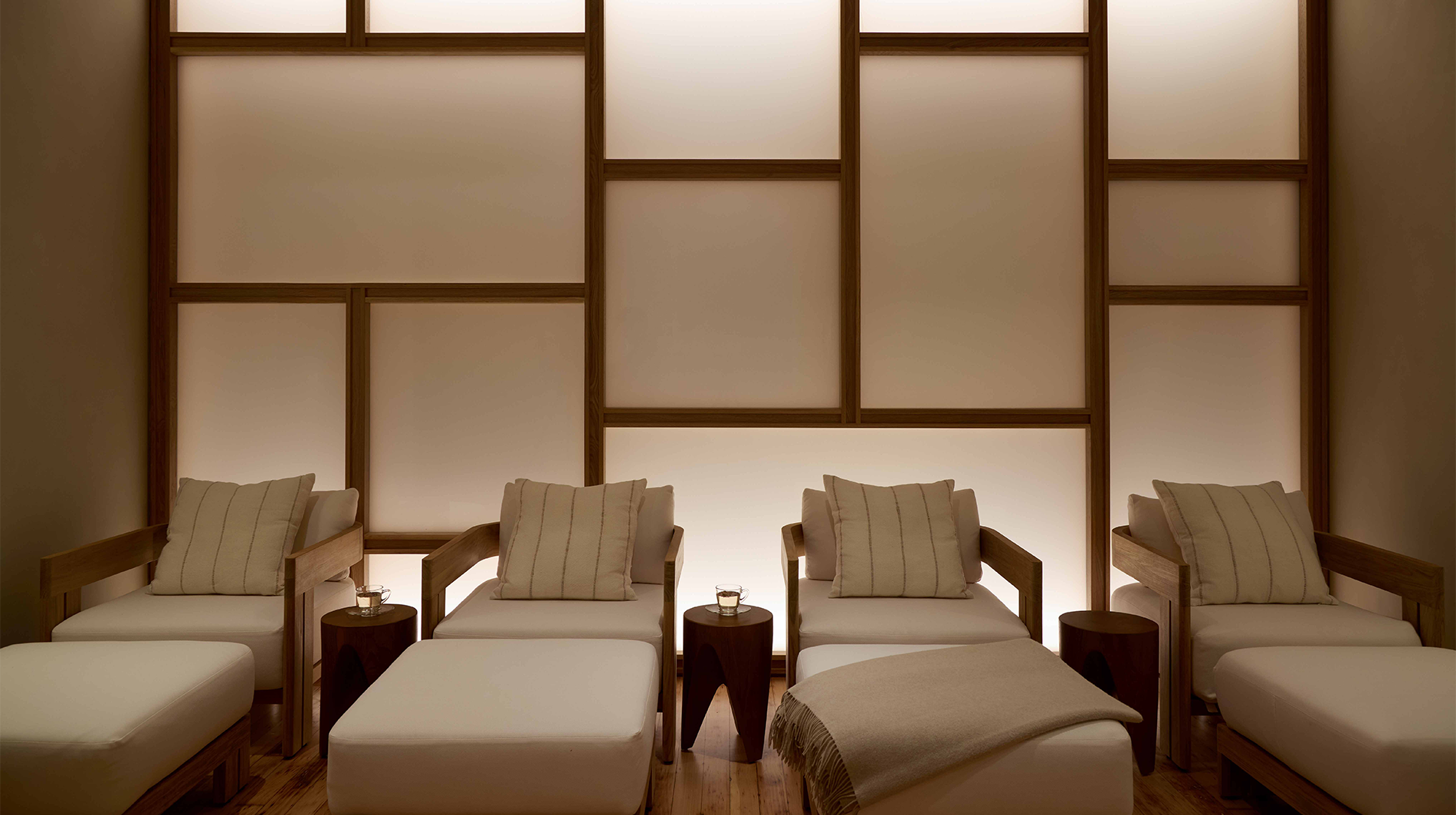
The Tributary Hotel & Spa, a Relais + Chateaux property, surprises you immediately. No central lobby. No shared common spaces, save for a coffee shop on the ground floor. That design choice turns out to be a quiet act of genius. The absence creates intimacy, and the privacy it delivers feels like a deliberate gift rather than an oversight.
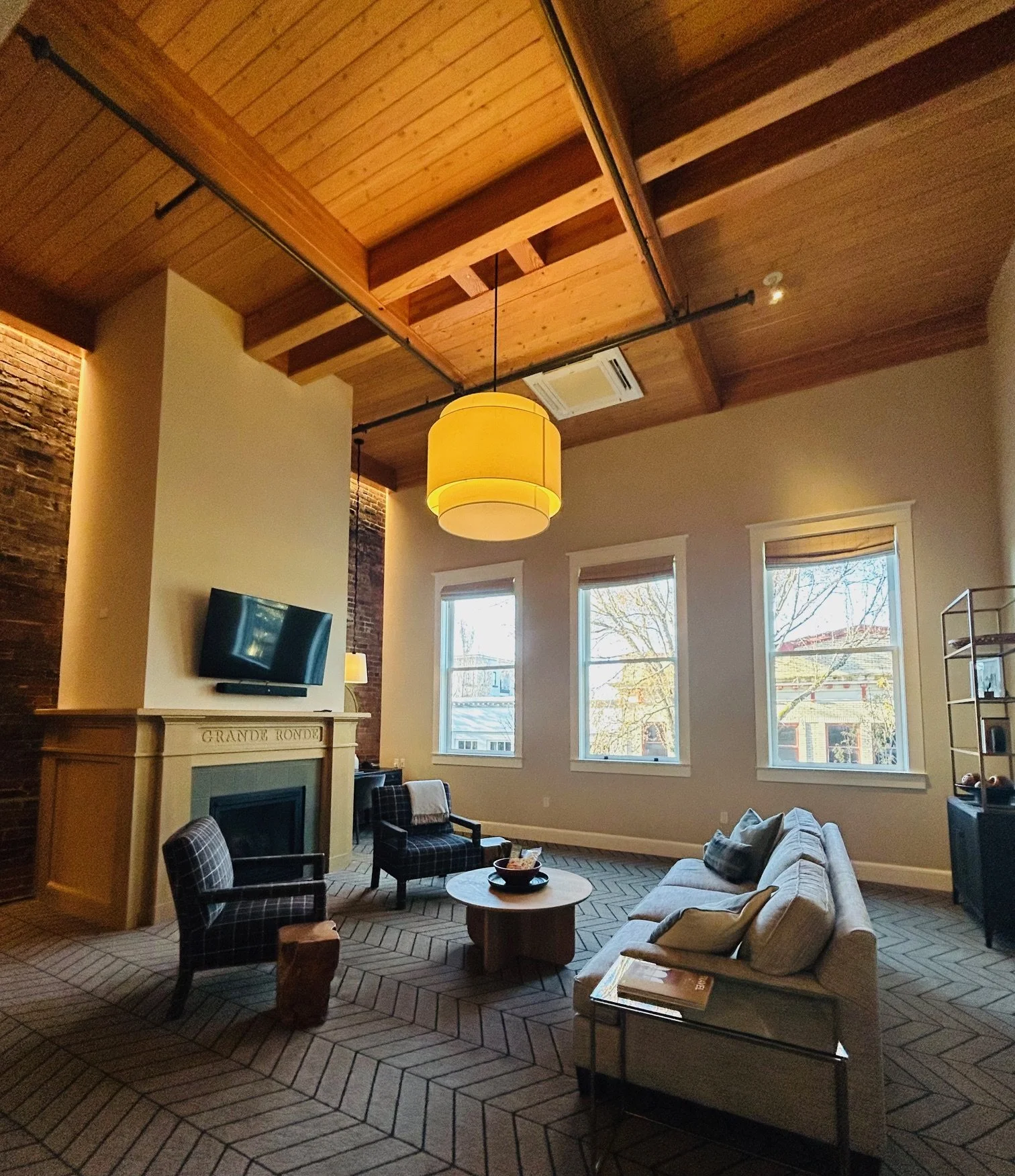
The hotel features three room types, each with a fireplace. The most remarkable featured double-height ceilings and a four-poster bed that made every morning feel cinematic. The in-suite coffee and tea setup struck me: high-end pour-over equipment and loose-leaf tea that felt ceremonial, not complimentary. These details are intentional, and they show.
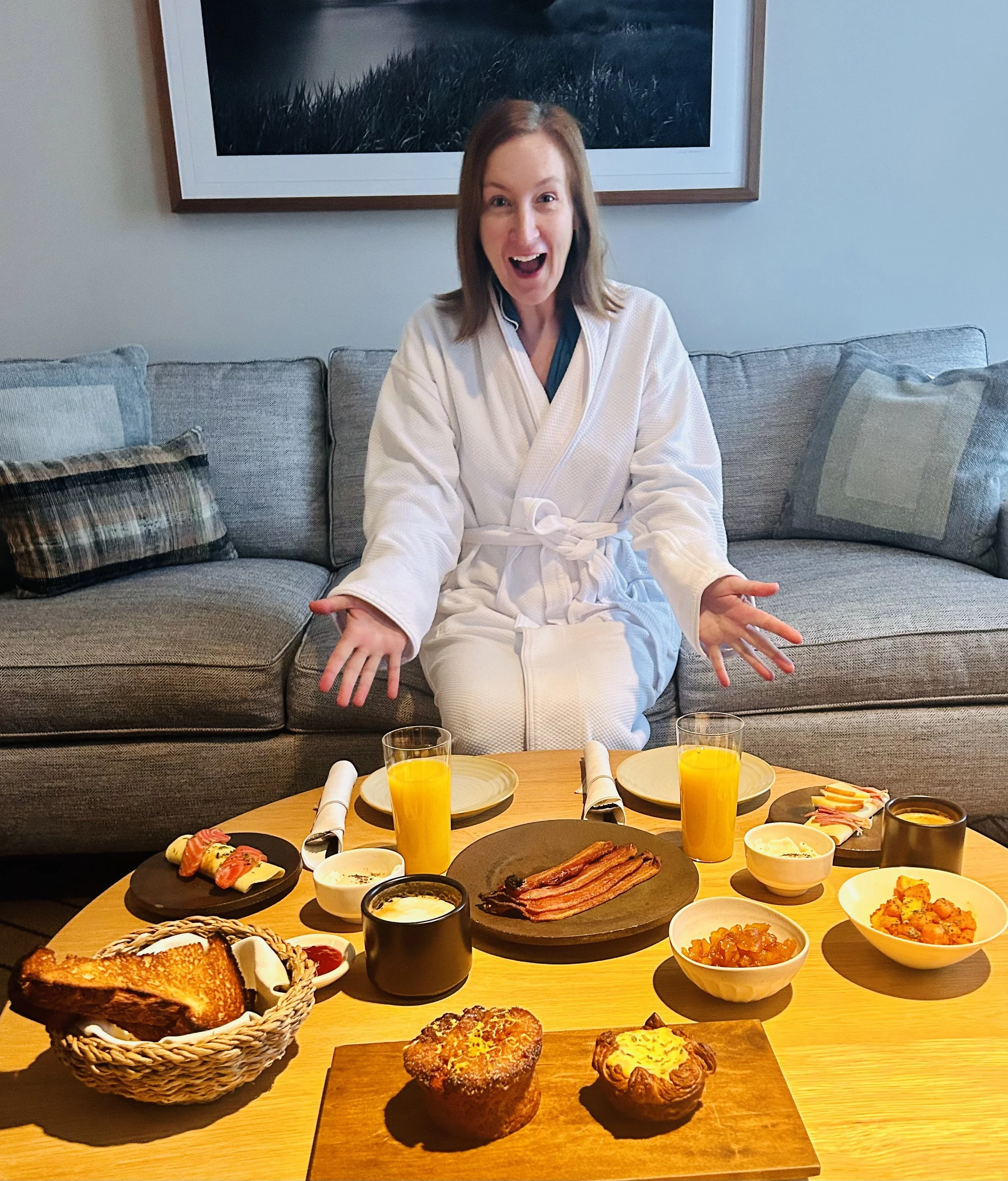
Breakfast arrived each morning on a cart, rolled in by a smiling concierge who arranged tiny plates and trays of pastries, egg skillets, seasonal vegetables, fresh jams, thick toast, and homemade granolas with yogurt. The masterful presentation delivered a slower morning that felt genuinely luxurious. It beat every breakfast buffet I've encountered and ranks among the best hotel breakfasts I've had anywhere. Turndown service added desserts, silk-weighted eye masks, and fresh water. The snack bowl stayed perpetually replenished.
What I loved most — and this is where the trip's magic lives — was the relationship I built with the concierge team. I worked closely with one team member for nearly a month in advance, planning the birthday surprise down to each detail. Her local knowledge shaped everything: our winery list, our driver, our lunch order, and ultimately an experience I never could have engineered alone.
The Wineries
Corollary Wines
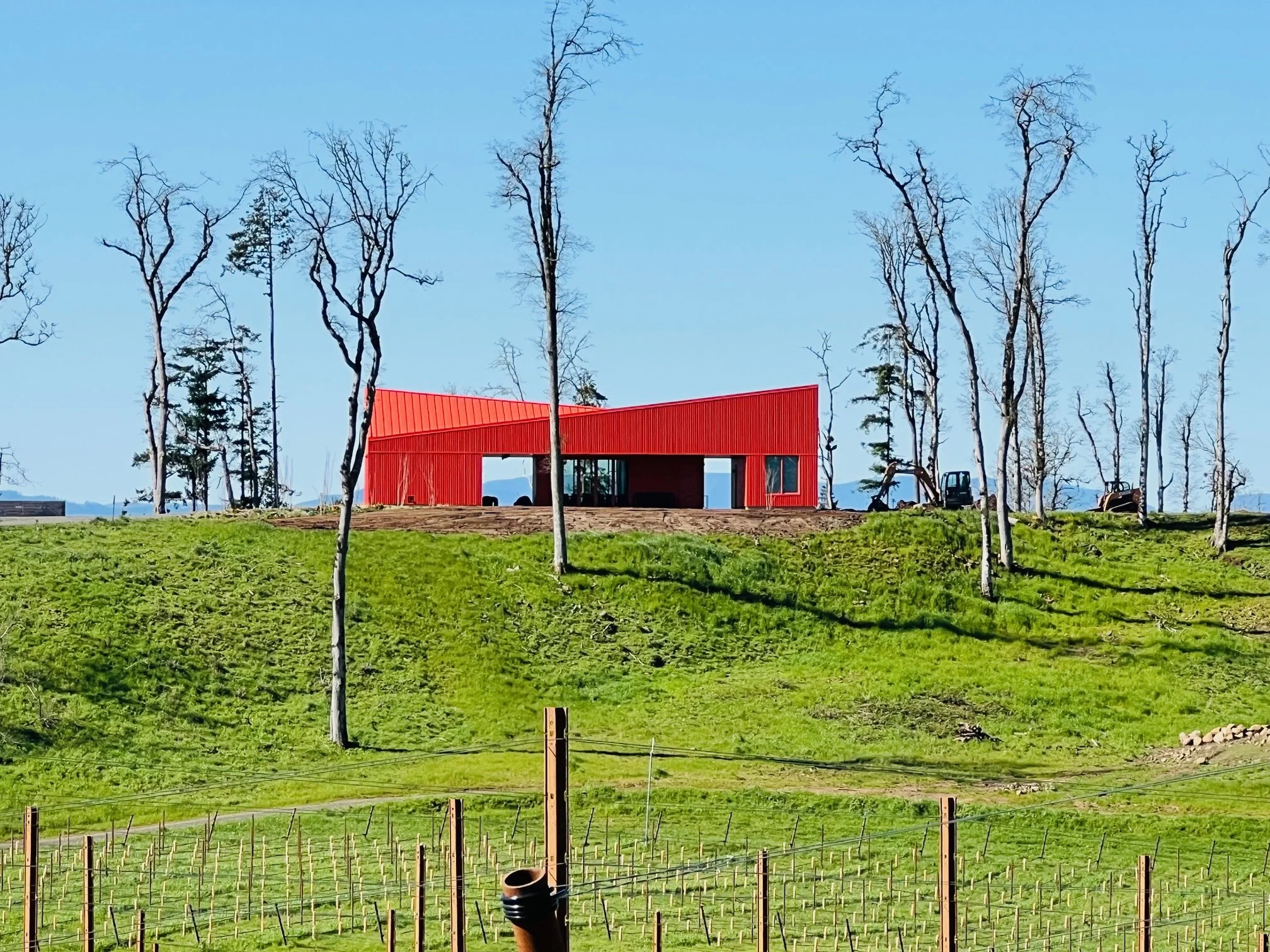
Widely regarded as the valley's finest sparkling producer, Corollary was founded by a husband-and-wife team with successful tech careers. The approaching drive sets the tone with backroads through farmland, hairpin turns, roadside deer, sheep, and goats, winding you up to a tasting room that sits atop a hill in fire-engine red. Sculptural. Unmissable. Inside, glazed walls on two sides frame the valley in one direction and vineyards in the other. Oak walls, sleek toffee-colored quartz, and black chairs create a minimalist room that directs your focus entirely to the views and the wine.
We met the owner and loved our time with the wine expert who walked us through their varietals. A lovely connection to the previous evening surfaced: the restaurant where we'd dined welcomed us with a glass of Corollary's sparkling rosé. This valley's community runs tight and generous. We left with three bottles, exercised real restraint avoiding the wine club, and headed back to The Tributary where the concierge immediately offered to arrange a shipment home.
Bergström Wines
Four rooms. Appointment only. A dedicated wine educator with you the entire time, with no table-hopping, no rushing. The origin story drew me here: a physician and his family were approached by an established winemaker to lease their land in the 1990s. While they declined the offer, that conversation ignited a spark that led father and son to create on of the valley’s most respected estates. They attended UC Davis wine study program to learn the science and perfect their craft, launching the vineyard and establishing the tasting rooms in the former family home. The soil — the Jory clay specific to this region — sits at the center of everything they do. Their head viticulturist actually digs a hole each summer that guests can descend into to examine the soil layers in person. The devotion to the earth runs deep, and you taste it in every glass.
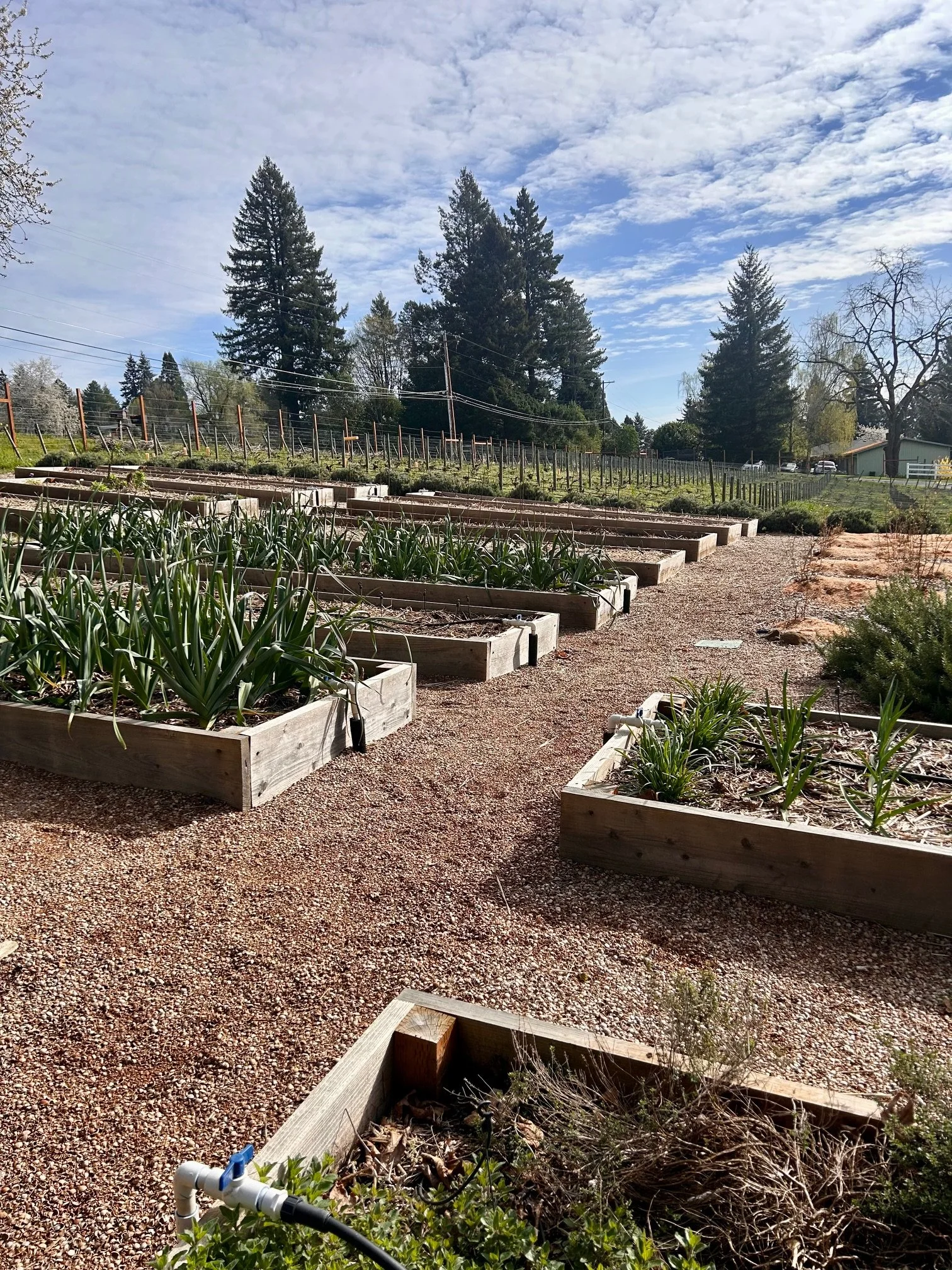
We toured the vineyard and garden, learning about the greater connection to the land. The tasting offered Pinot Noir and Chardonnay- three more bottles of which we added to our shipment home. The wine educator was vibrant, engaging and well informed which made the experience educational and interactive.
Woodshed Winery, our favorite
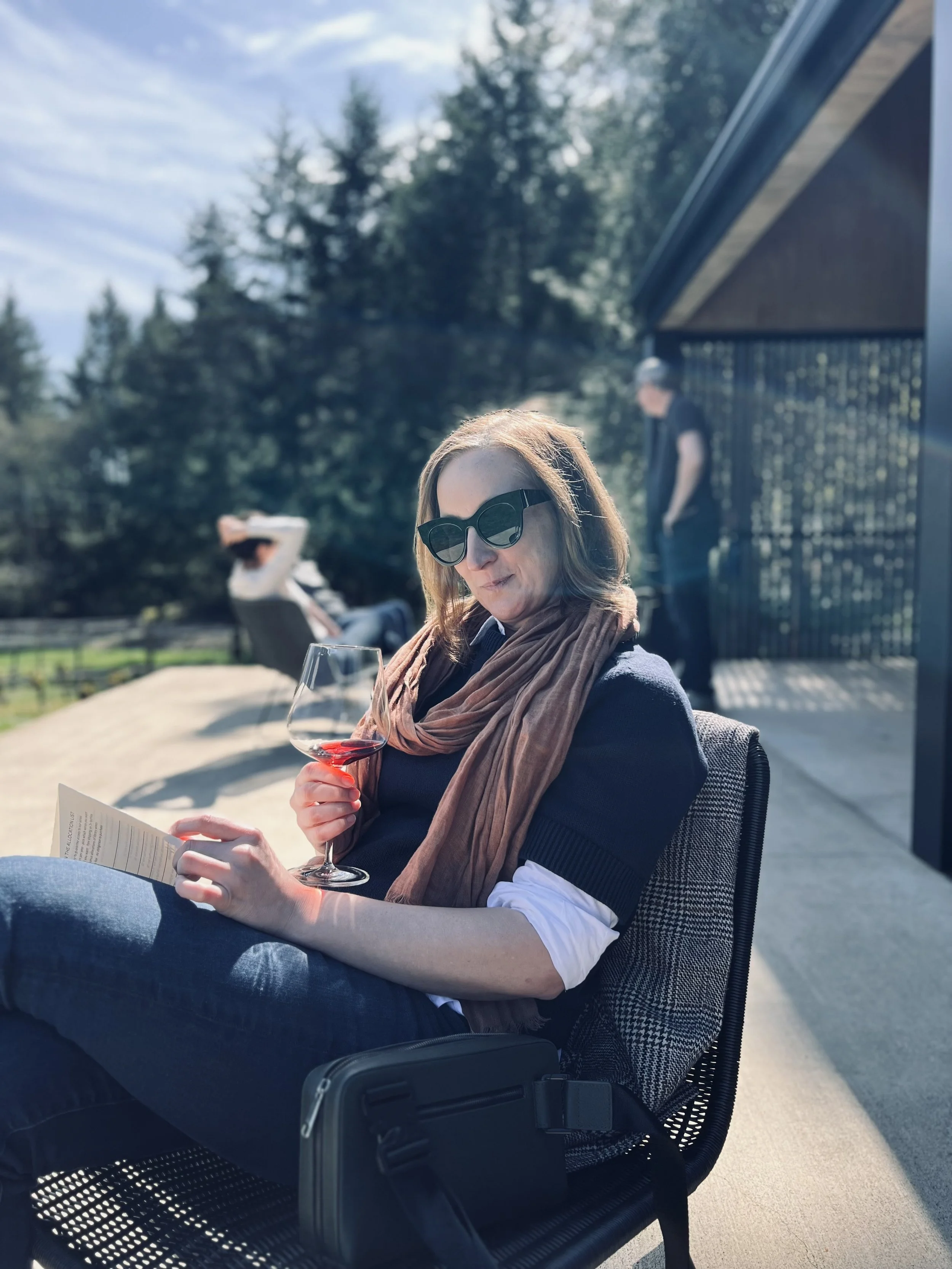
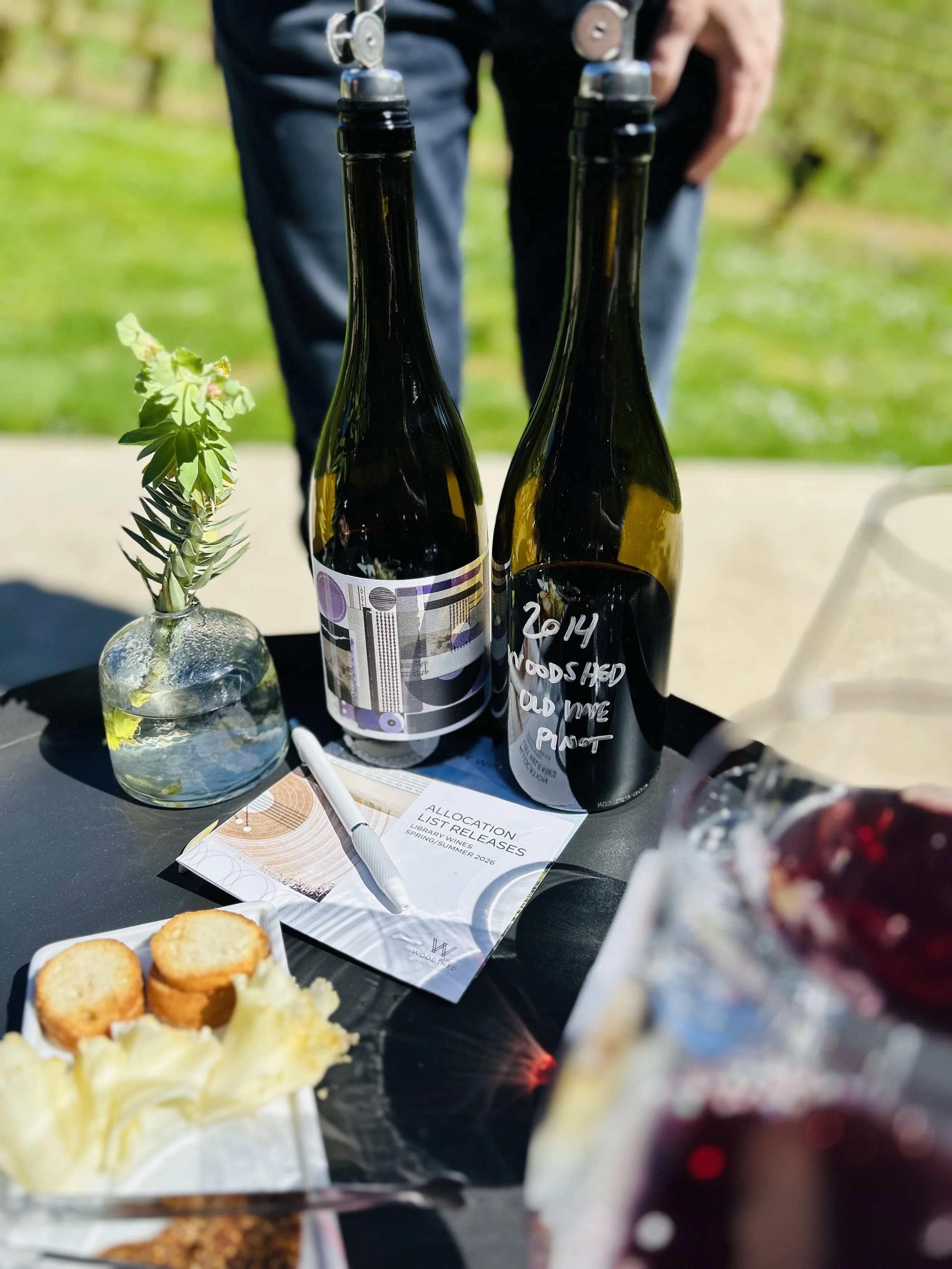
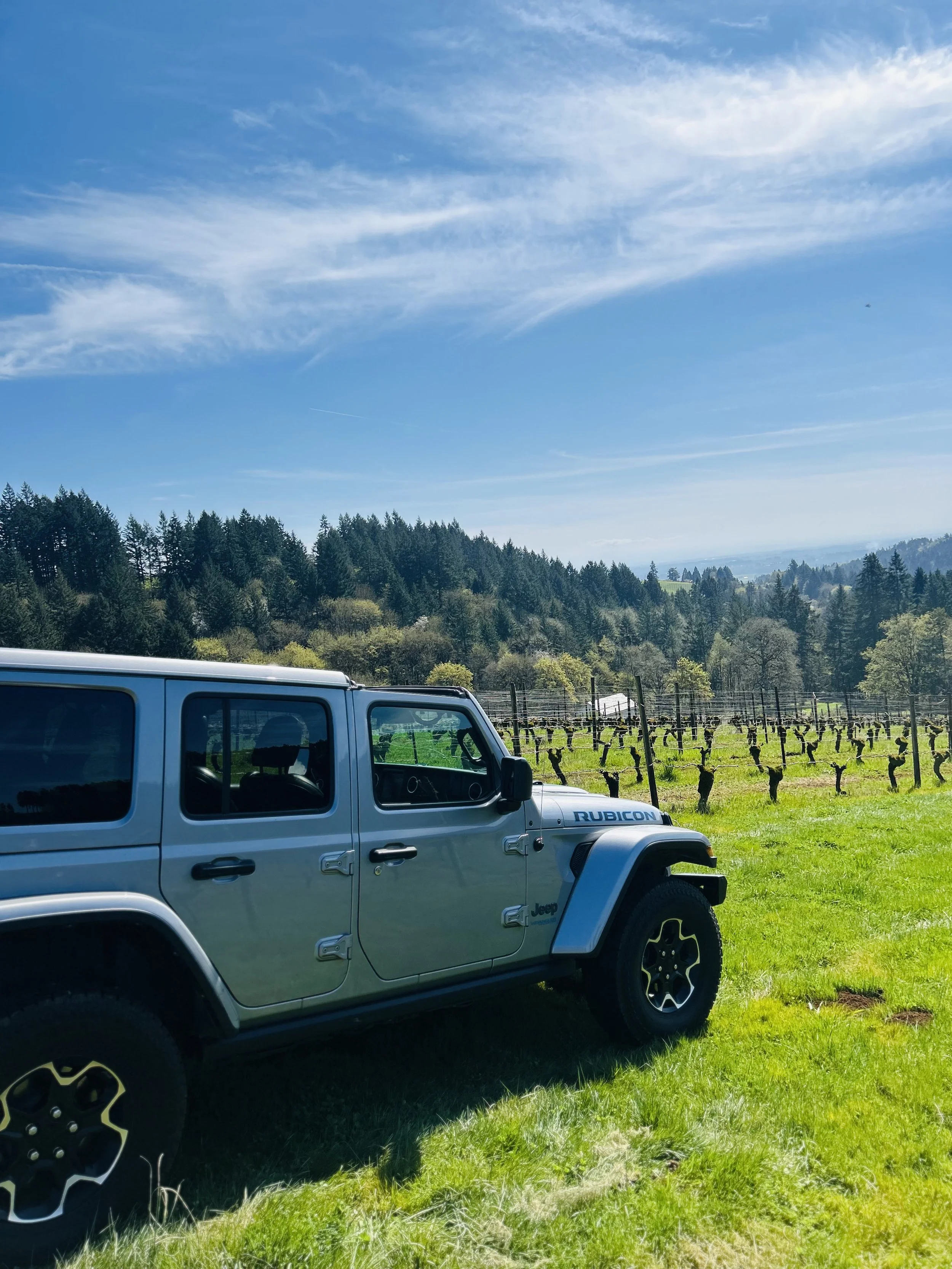
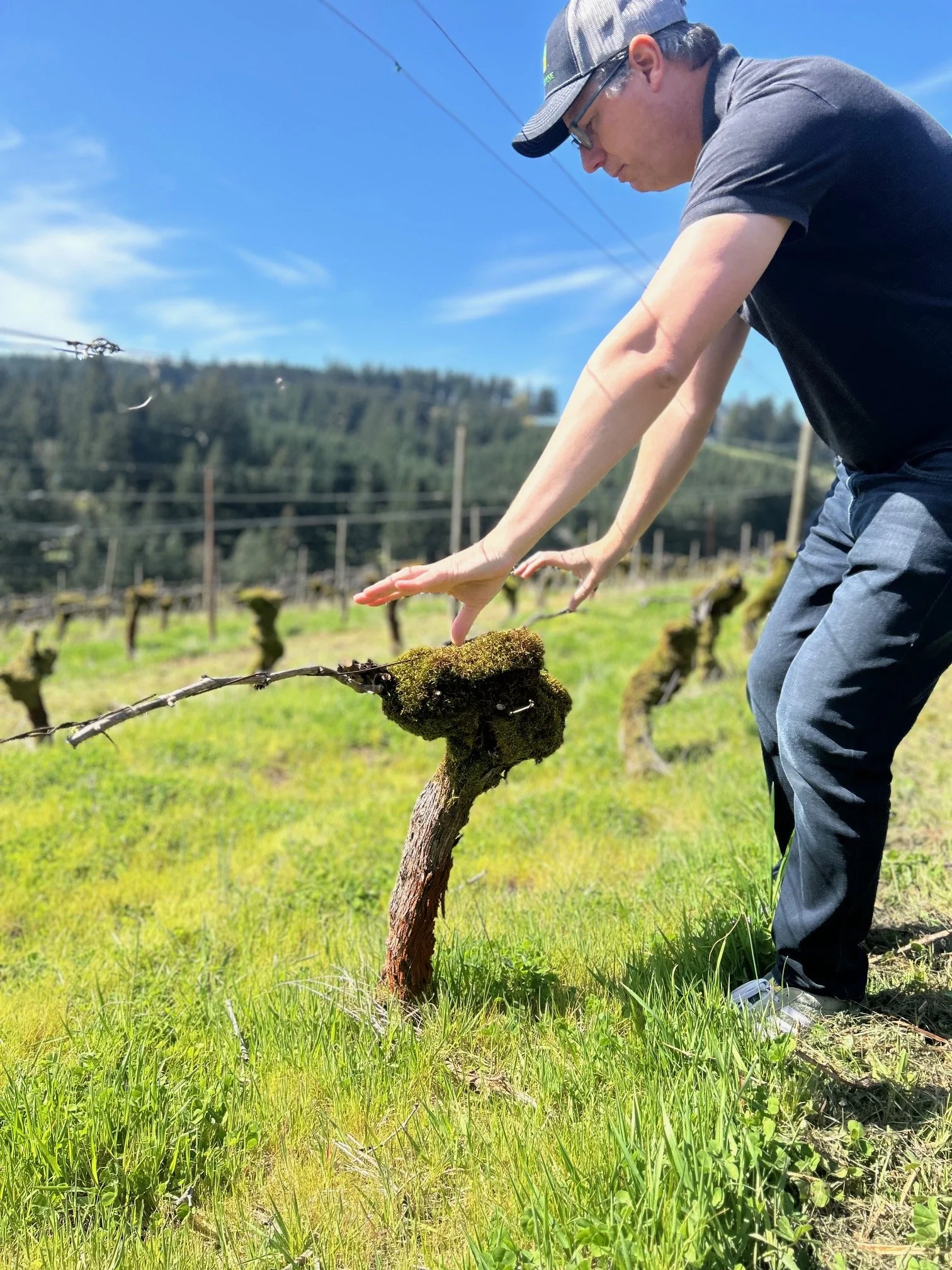
A simple black wooden building that looks exactly like its name. Rolling hills. The owner's house perched above. The owner spent the entire visit with us, welcoming us with sparkling rosé, and gave a Jeep tour through the vineyard. We stopped at the hilltop overlooking a valley blanketed by neighboring estates and touched the tiny, furry spring buds ourselves. Some of his vines date to the 1970s, which is old for New World viticulture.
Back at the Woodshed tasting room, Fleetwood Mac spun on the record player. The sun made what locals assured us was a rare appearance. We worked through several Pinot Noirs and a Chardonnay that converted me completely as it bears no resemblance to the buttery, oaky Chardonnay of the 1990s. It's lighter, brighter, more playful, and we'll drink far more of it going forward. The owner explained what it means when vine clippings become available, touched on the history of bringing European varieties to new world soils (occasionally through colorful means), and introduced us to the significant partnership between the University of Dijon and new world vintners. The conversation felt like a graduate seminar hosted at a friend's home, on a sunny afternoon, with very good wine.
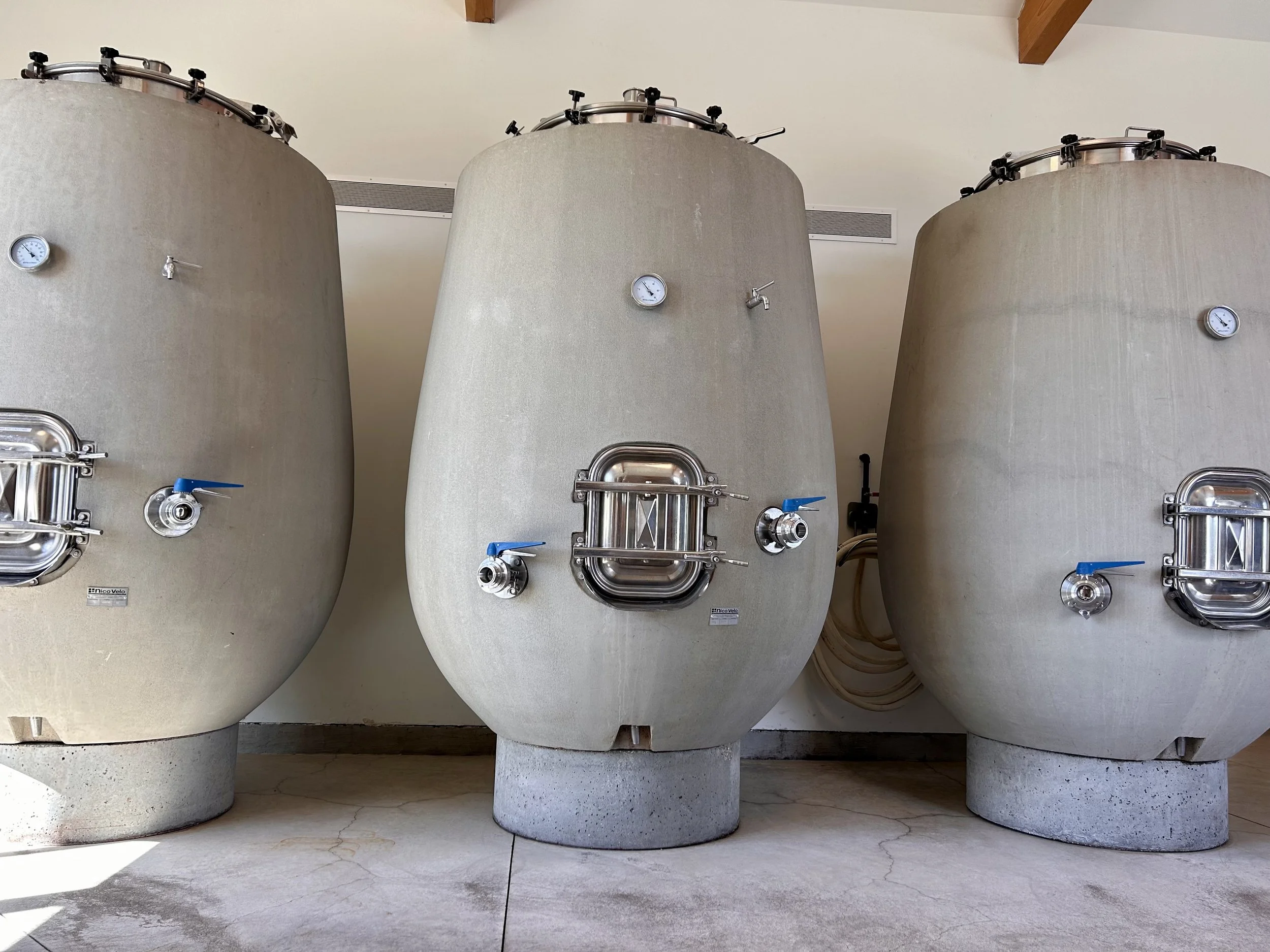
White Walnut
Earthy, warm, walnut-toned wines that feel like the valley's quieter, more introspective side. Worth a visit, though in hindsight I'd spread three wineries across two days to leave an afternoon open for the valley in full sunshine. That said, I wouldn't trade any one of them. White Walnut, only a short drive from Bergstrom, was the perfect end to a perfect day, tasting their Chardonnays on the sunny hill overlooking the valley.
The cooking class that didn't exist
Inspired by the restaurant scene in the valley, I wanted to surprise my partner with a private cooking class in a proper commercial kitchen. When research turned up nothing in the area, I brought the idea to our concierge at The Tributary. She went to work and came back with an offer that no travel platform or search engine could have surfaced: Okta, the hotel's restaurant, was closed for the season and deep in its pre-opening R&D phase. Chef Kristy Smith heard the request, and she invited us into her kitchen for their first-ever guest cooking experience.
We walked into an impressive open kitchen featuring French ovens and an Argentinian grill. Chef explained the full layout, how the team operates, the function of each station, how a restaurant works from the inside. She layered in practical technique for cutting, cleaning, and prepping that I brought directly back to my own kitchen. The food came from the restaurant's garden and stayed beautifully approachable — a meal any home cook could replicate with confidence.
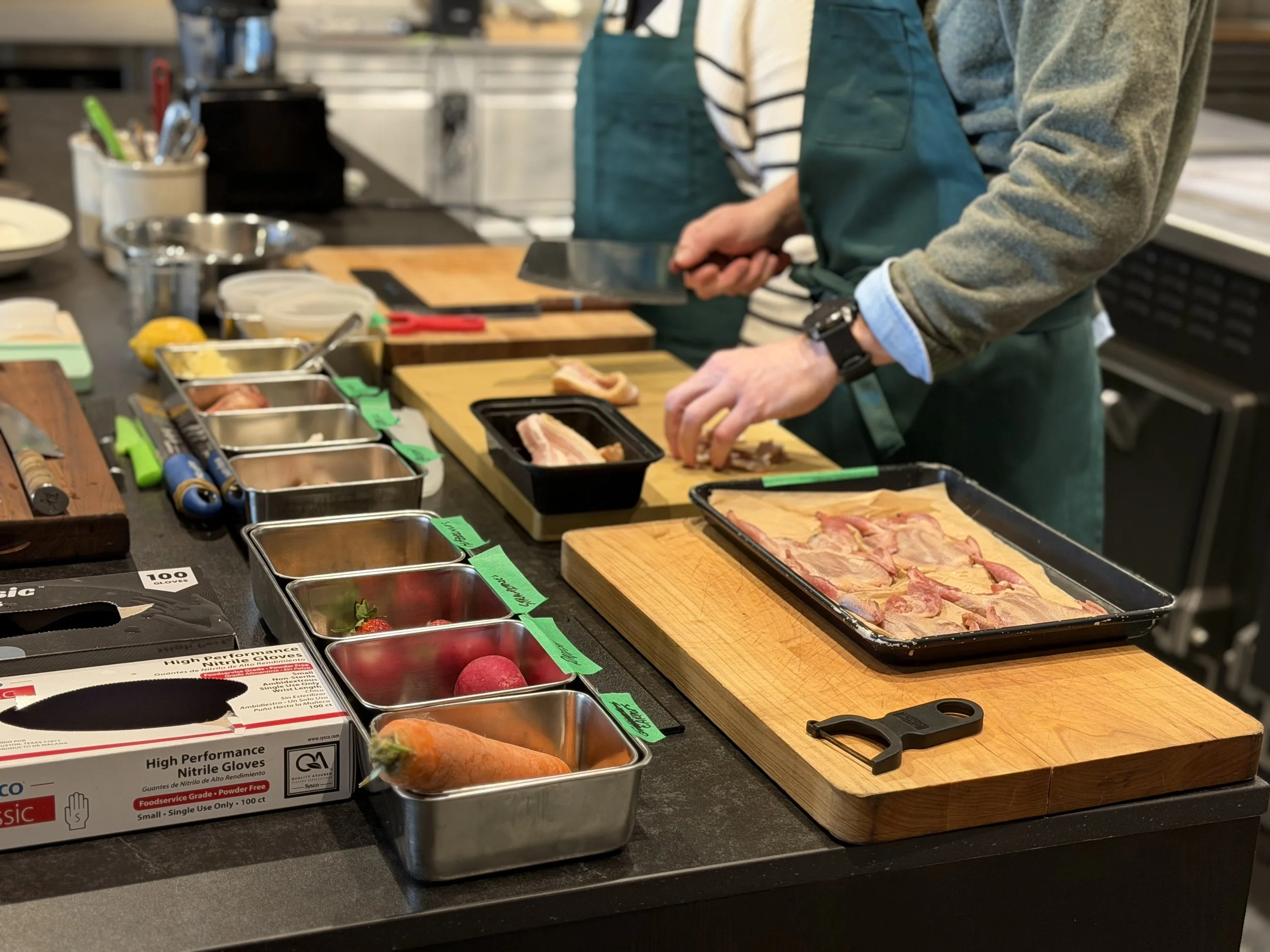
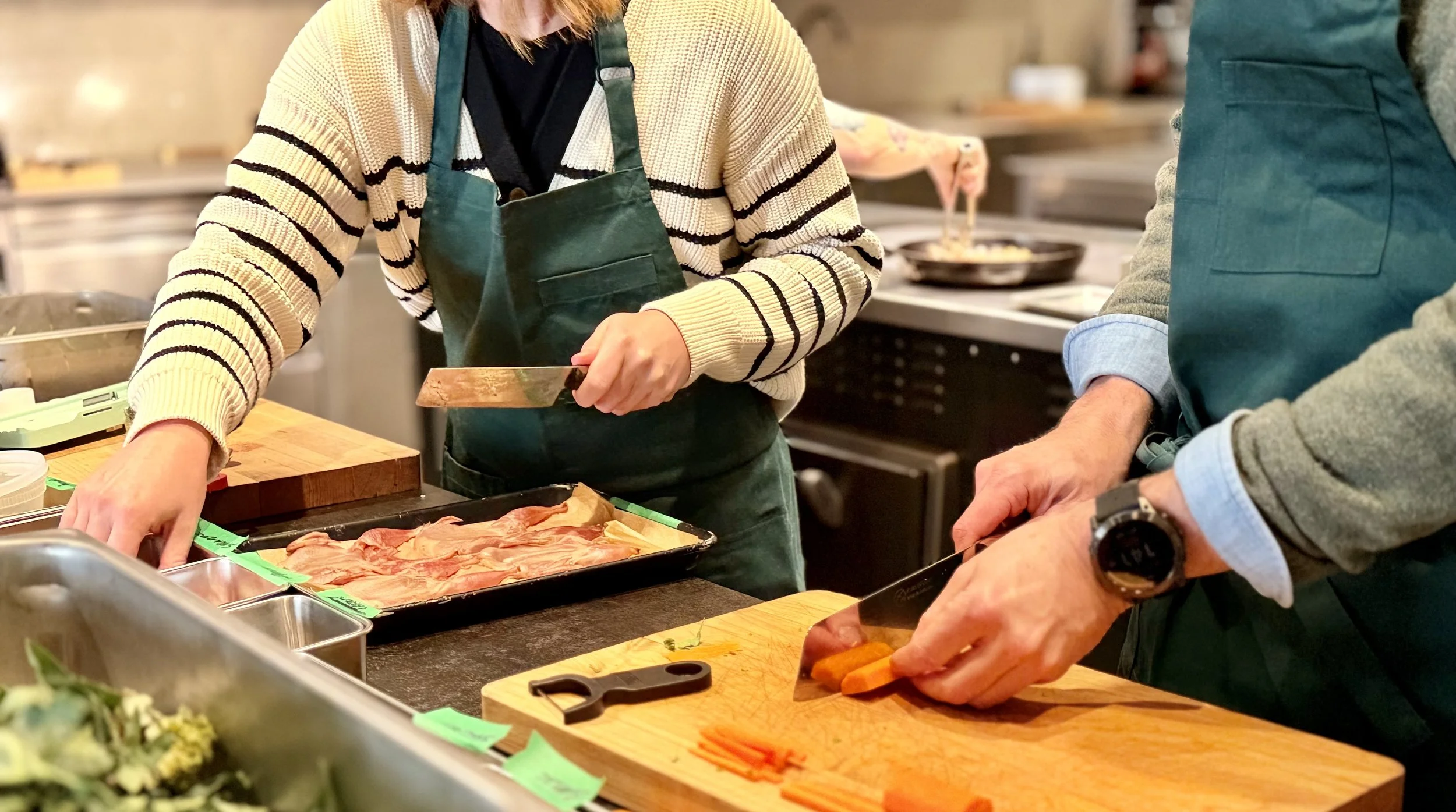
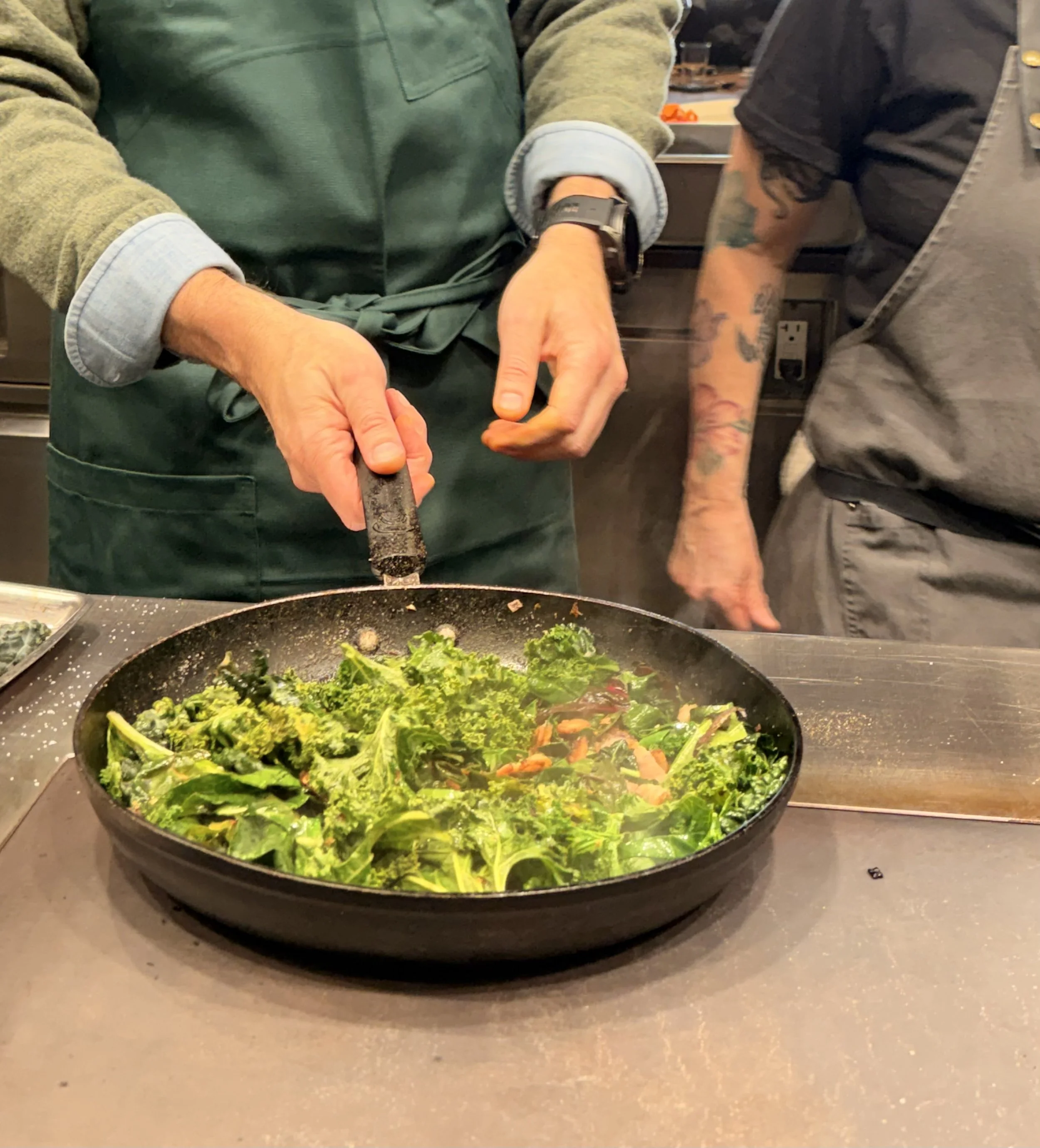
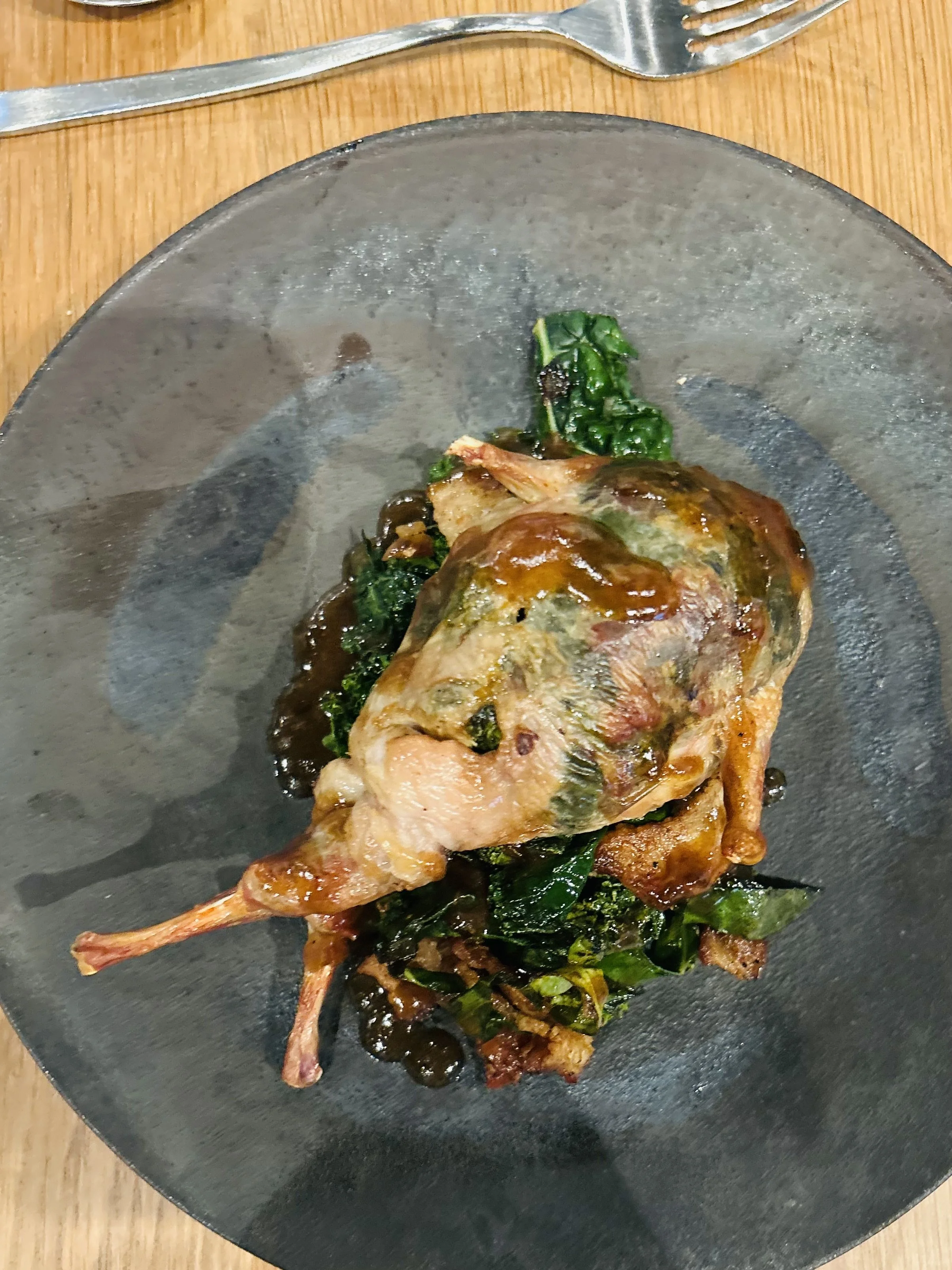
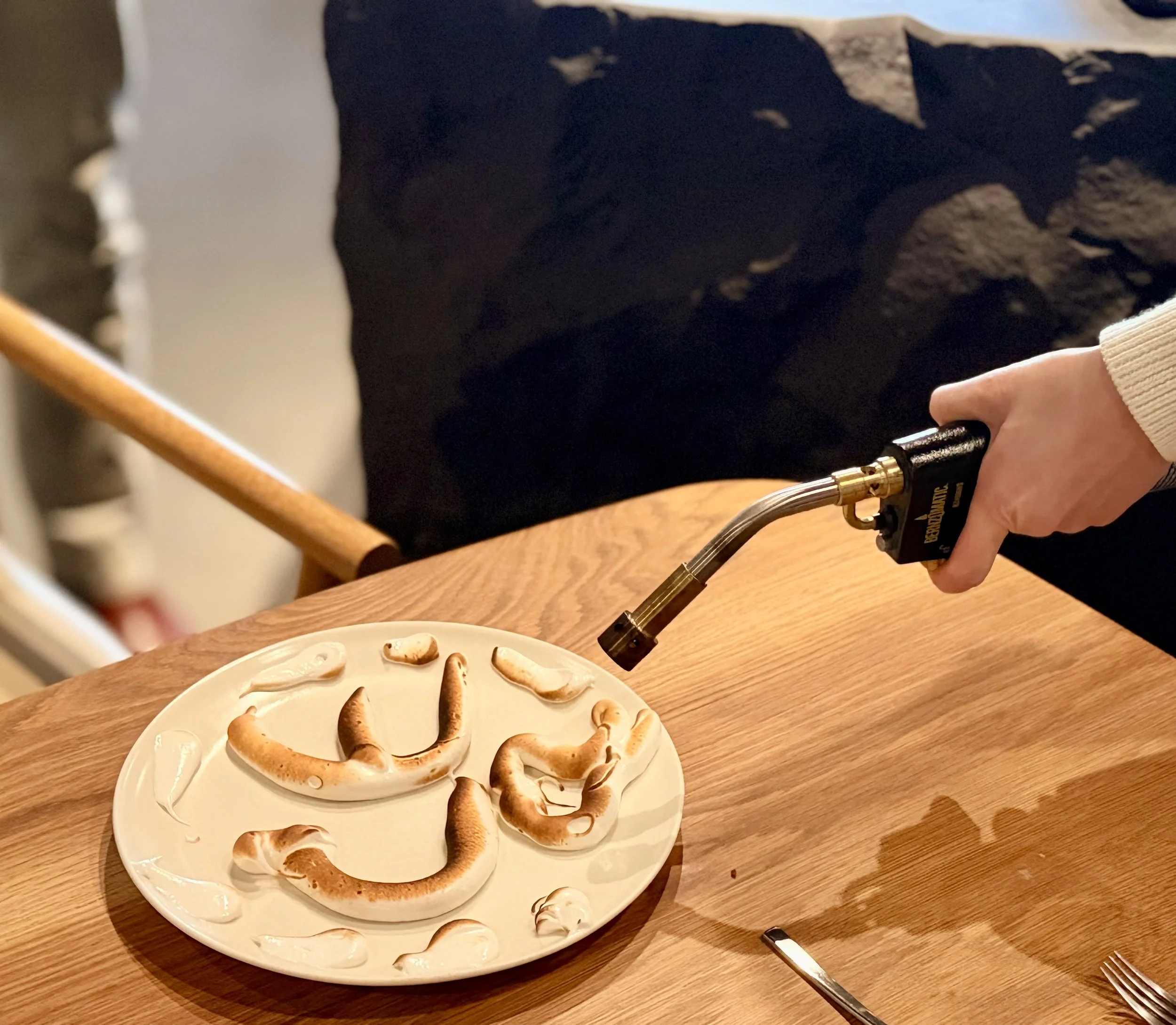
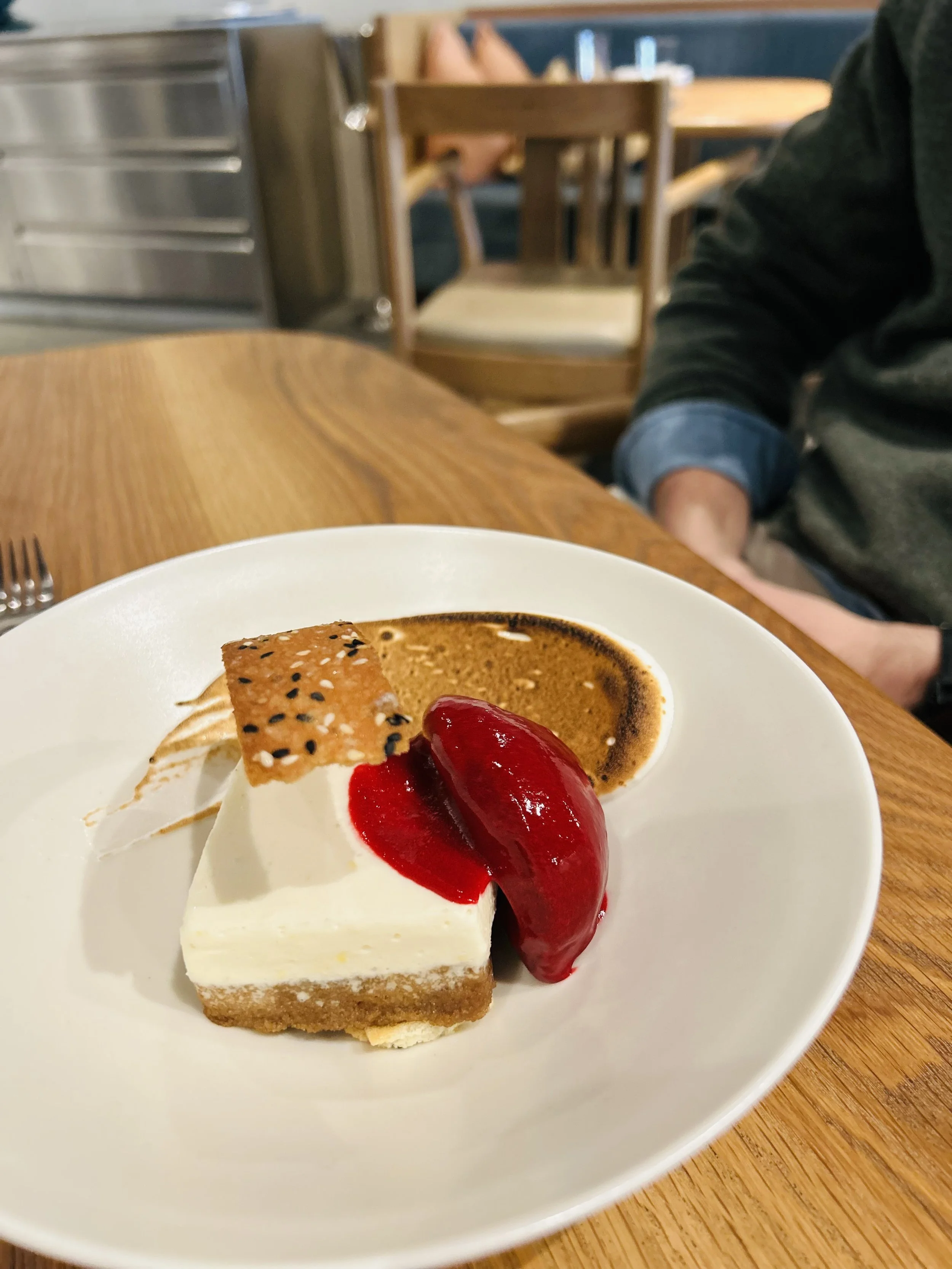
The beet sorbet's vivid color suggested sweetness; the earthy, grounding flavor said something else entirely, and it complemented the light cheesecake in a way that stopped the conversation for a moment. The blow torch, used to toast the meringue, was reason enough to come.
I've done cooking classes across the globe. This ranks in my top two. (The other took place in a Nonna's home kitchen in Umbria, on the side of a cliff overlooking a valley, on a sunny September afternoon, with a great deal of wine.) This experience earned its place through access to a real working kitchen, to a chef mid-creation, to practical knowledge that travels home with you.
More than anything, I loved watching my partner discover that cooking isn't complex or intimidating, which was entirely by design. Mission accomplished. We also discovered, mid-class, that his birthday outfit of greens and blues perfectly matched the food palette we were preparing, which made him the subject of the restaurant's marketing shoot for the experience. From the shoulders down, he's now the face of Okta's first-ever guest cooking class. Not a bad birthday present.
The cooking class technically didn't exist until I asked for it. That's what relationship building gets you.
I can see myself returning to The Tributary and to the Willamette Valley again and again. Until then, I'll dream about the greenery, the service, and the food.
Ideas for Your Next Trip
The Willamette Valley rewards exploration and layers beautifully with other Pacific Northwest destinations. Here are the extensions worth planning:
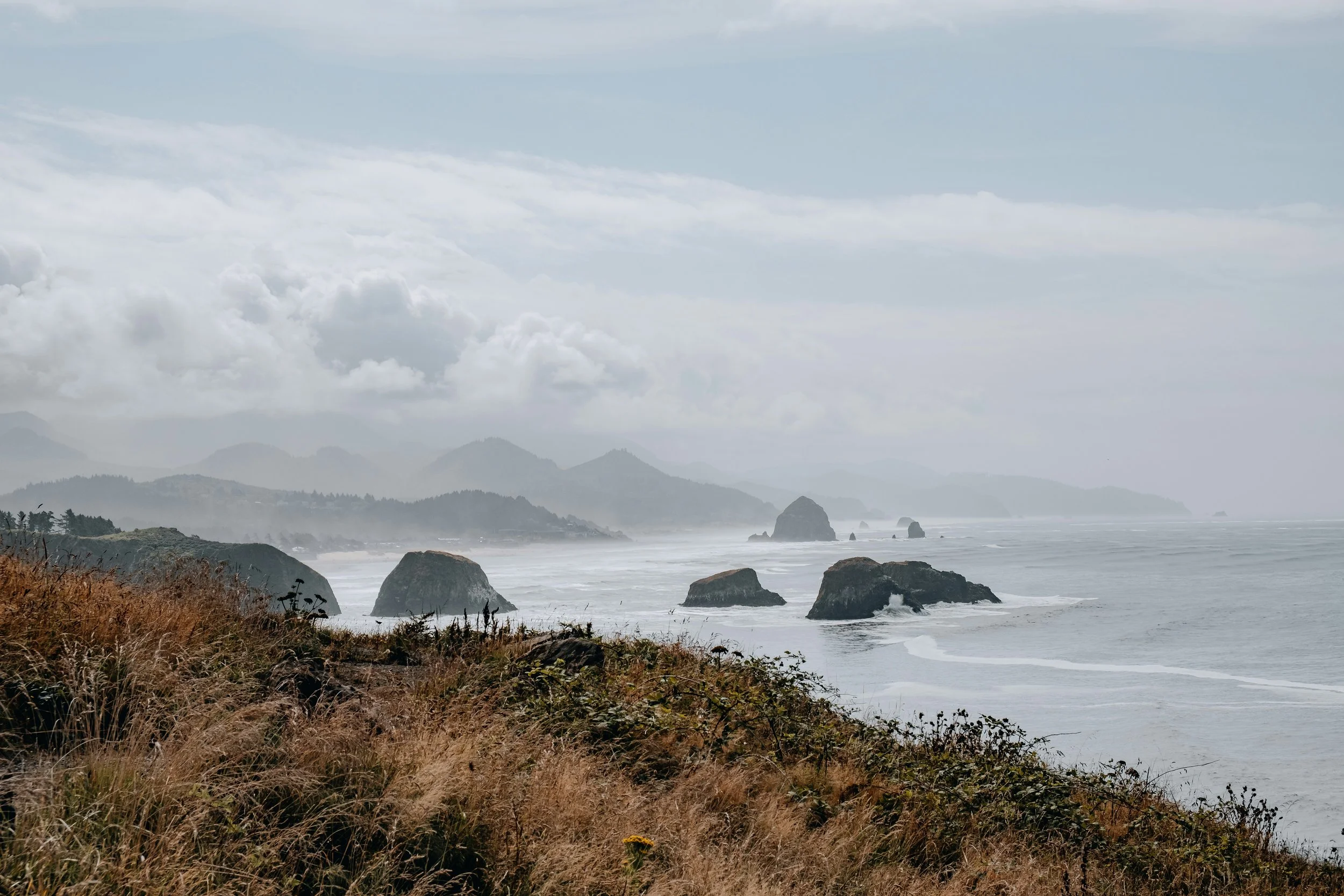
The Oregon Coast
Drive west to Cannon Beach and the jetty for fresh fish and crab straight off the boat. The contrast between wine country and rugged coastline is dramatic and deeply satisfying.
Photo Credit Jo Heubeck + Domi Pfenninger
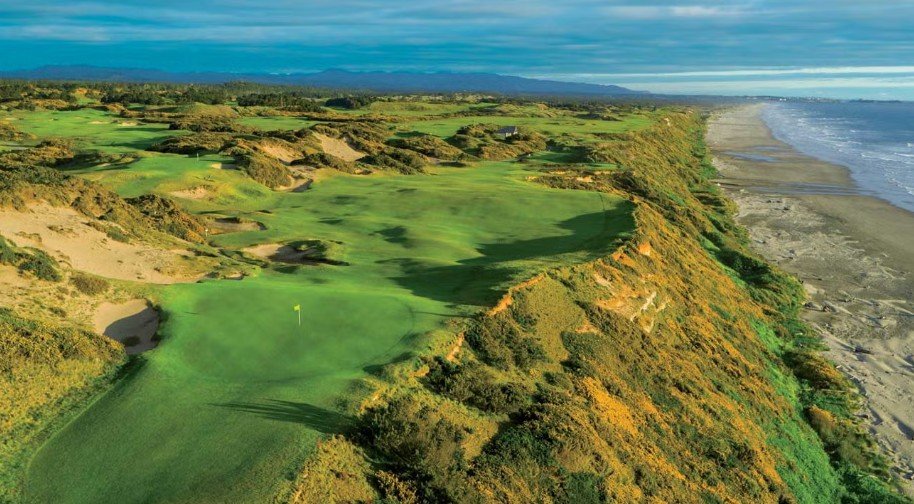
golf + wine
Bandon Dunes on the Oregon coast is world-class. Pair a few rounds with winery visits — both demand advance planning, and both deliver the kind of day that's hard to describe to someone who wasn't there.
Photo Credit- Evan Schiller
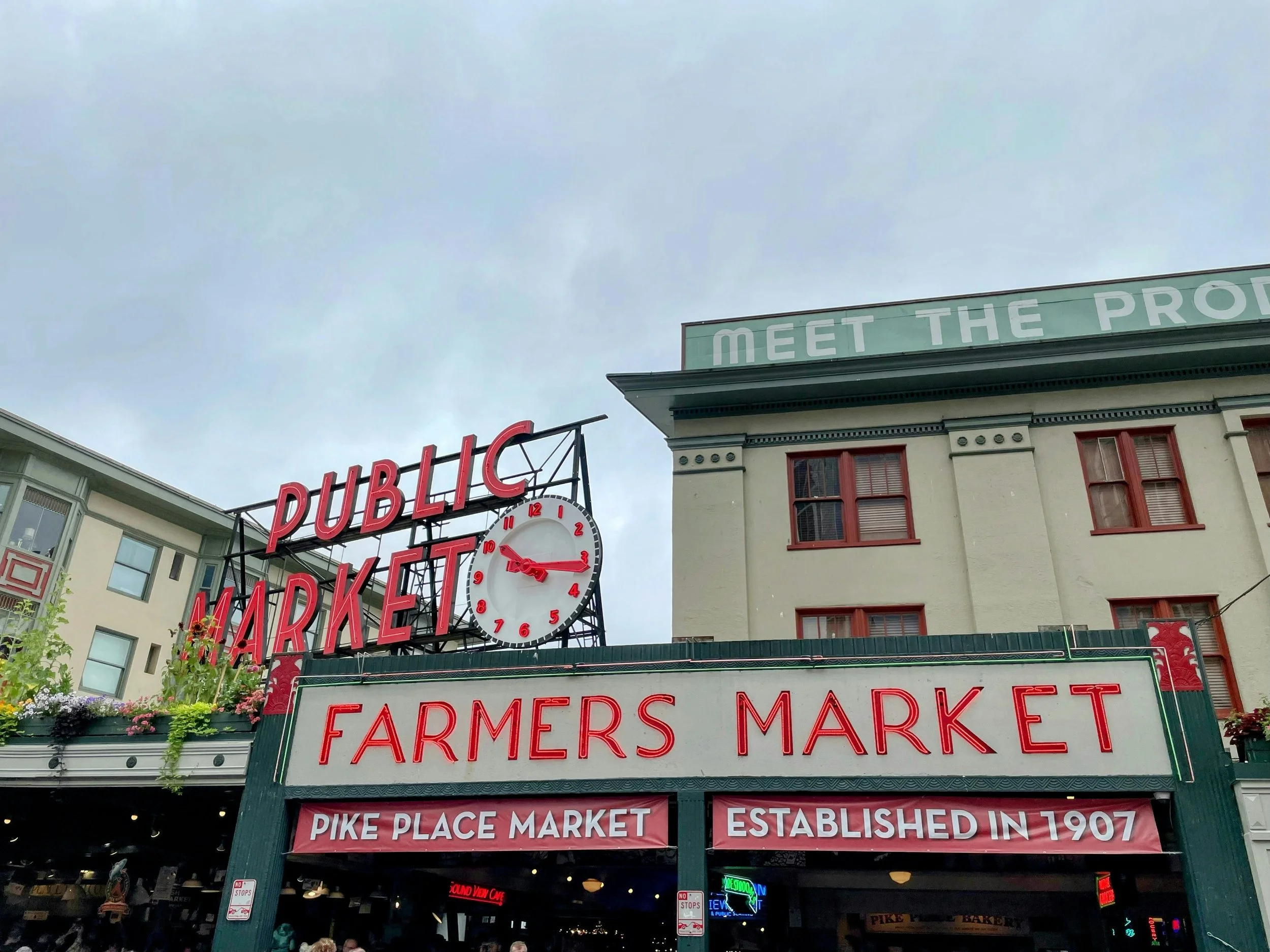
seattle + South
Fly into Seattle, move south through the Willamette Valley, and continue to the coast. A Pacific Northwest road trip with something remarkable at every stage.
Photo Credit: Steve Dematteo
Plan a Trip That's Built Around You
Every element of this trip- the hotel, the wineries, the cooking class that technically didn't exist, the driver, the lunch order- came together through conversation, trust, and local knowledge. That's exactly what Well Placed Travel does.
For more travel stories by Well Placed Travel, check out these destinations.
