
Inside Tasmania with Tourism's Top Expert
well placed travel’s insider conversation reveals why this temperate state deserves time on your Australia itinerary
It took exactly one afternoon in Tasmania to realize we'd made a mistake- not in going, but in not staying longer. Tasmania had won us over so completely that by evening, we were calculating how to extend our visit. Weeks later, while recording podcast The Last Resort about the experience, I couldn't stop gushing. That's when Karen Stotz of Tourism Tasmania reached out. She'd heard the podcast, had two decades of insider knowledge to share, and I had questions about everything we'd missed.
We sat down for a conversation that revealed exactly why this Australian state deserves time on your Australia itinerary, including penguins walking across your feet at dusk, vodka made from cheese whey, an art museum that removes pieces when too many people like them, and all the natural beauty of this incredible island.
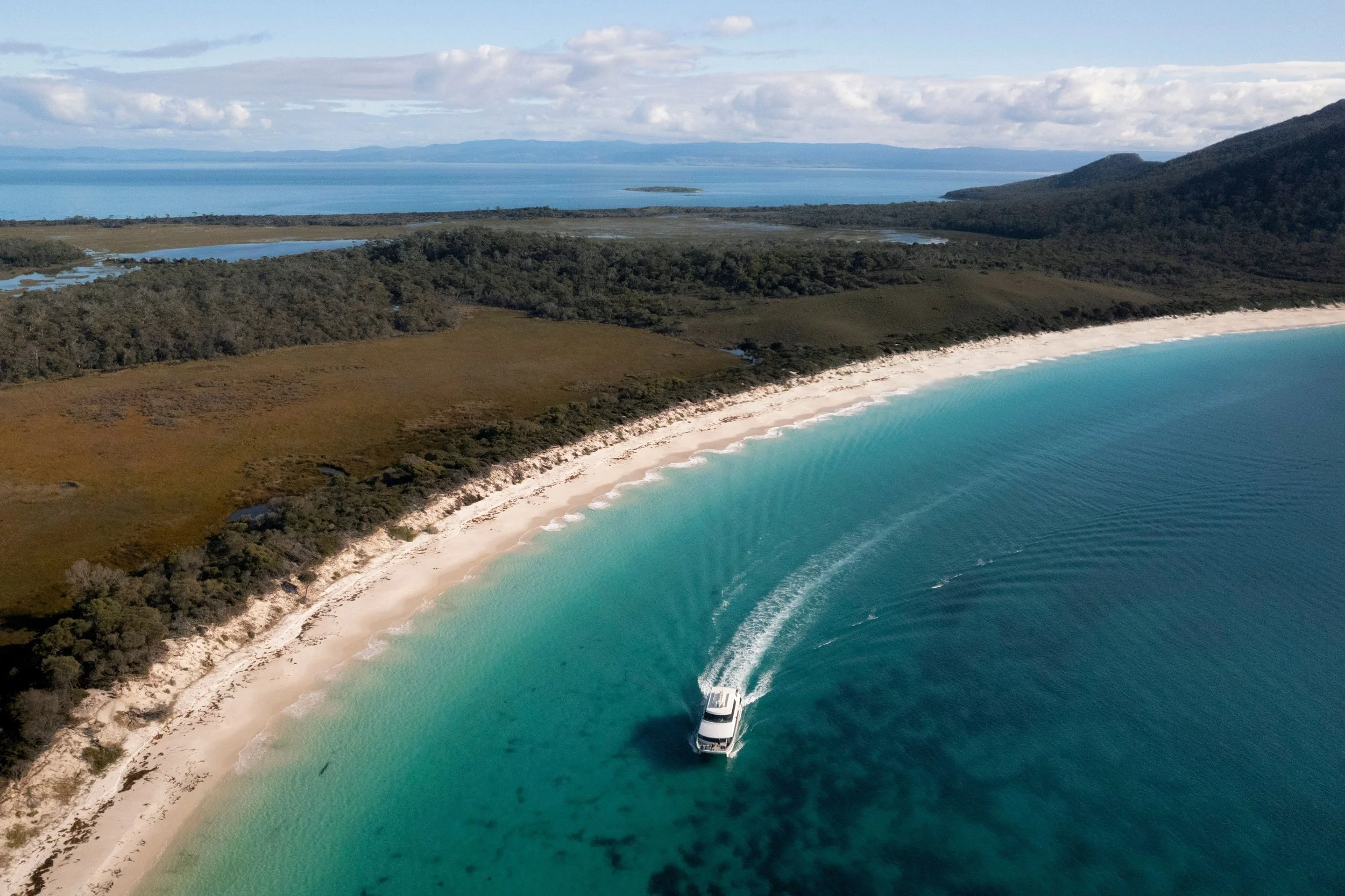
Wineglass Bay in Freycinet National Park in Tasmania, Australia, an island off the southern coast accessible via quick flight from Sydney and Melbourne
What Travelers Notice First
"People are always surprised by how friendly everybody is," Stotz says. The genuine warmth of Tasmanians shows up consistently in visitor feedback. "Locals want to show visitors what makes their island home different. You don't get the feeling that you're just on a tour as a tourist. You're being welcomed by somebody showing you their home."
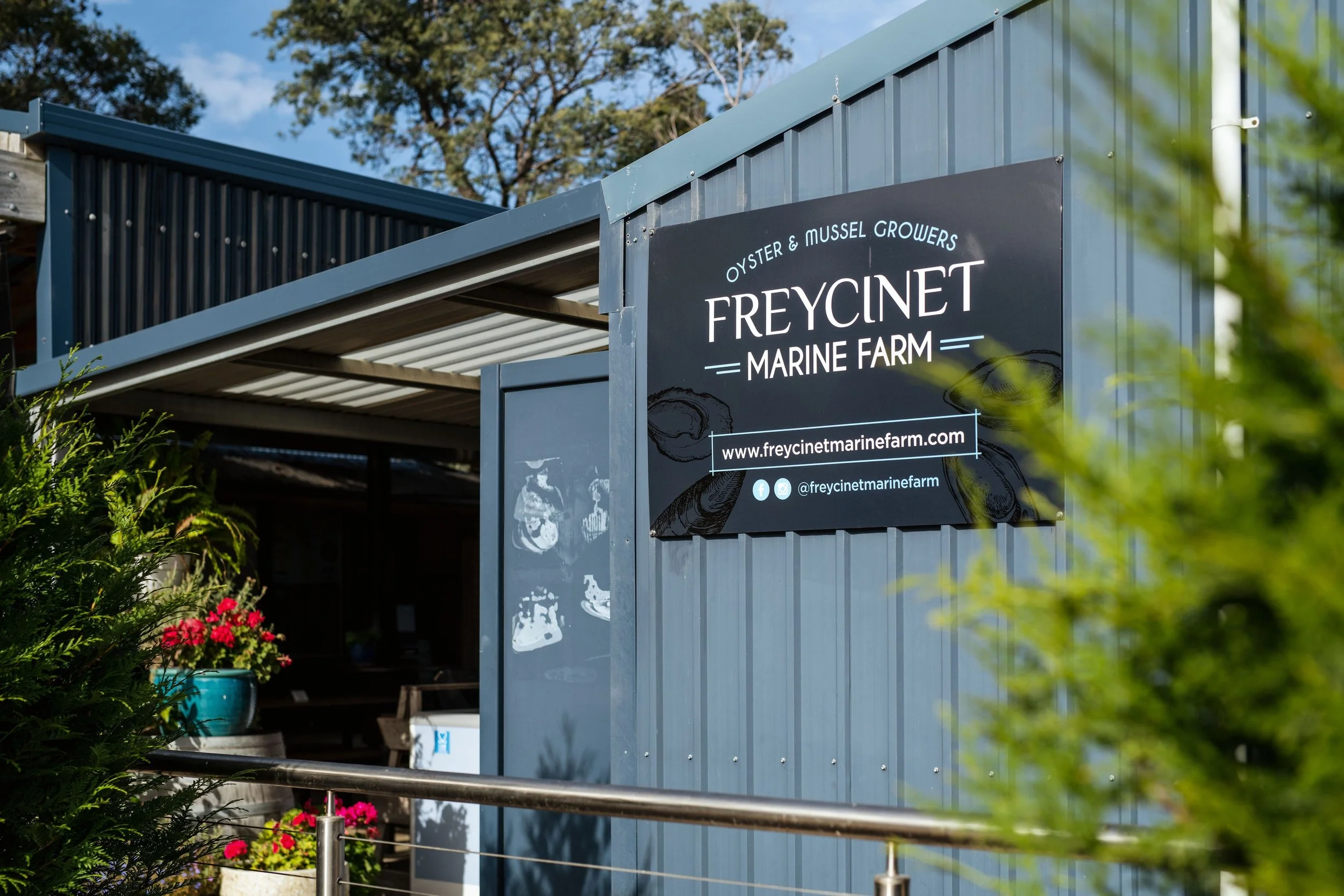
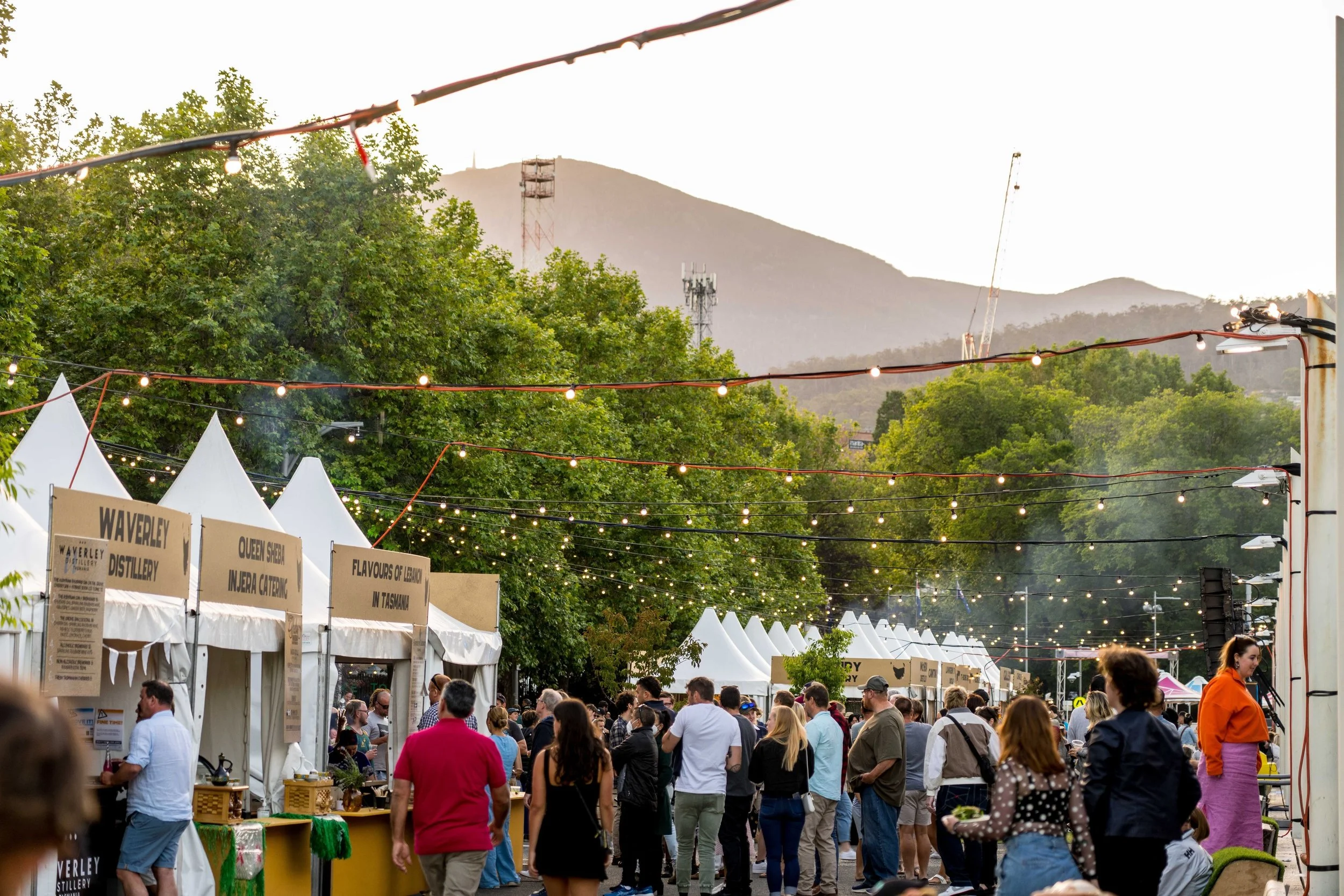
This authenticity extends to every experience. Whether tasting whiskey with the actual distiller or learning about oyster farming directly from farmers, Tasmania offers intimate access to the people behind its experiences.
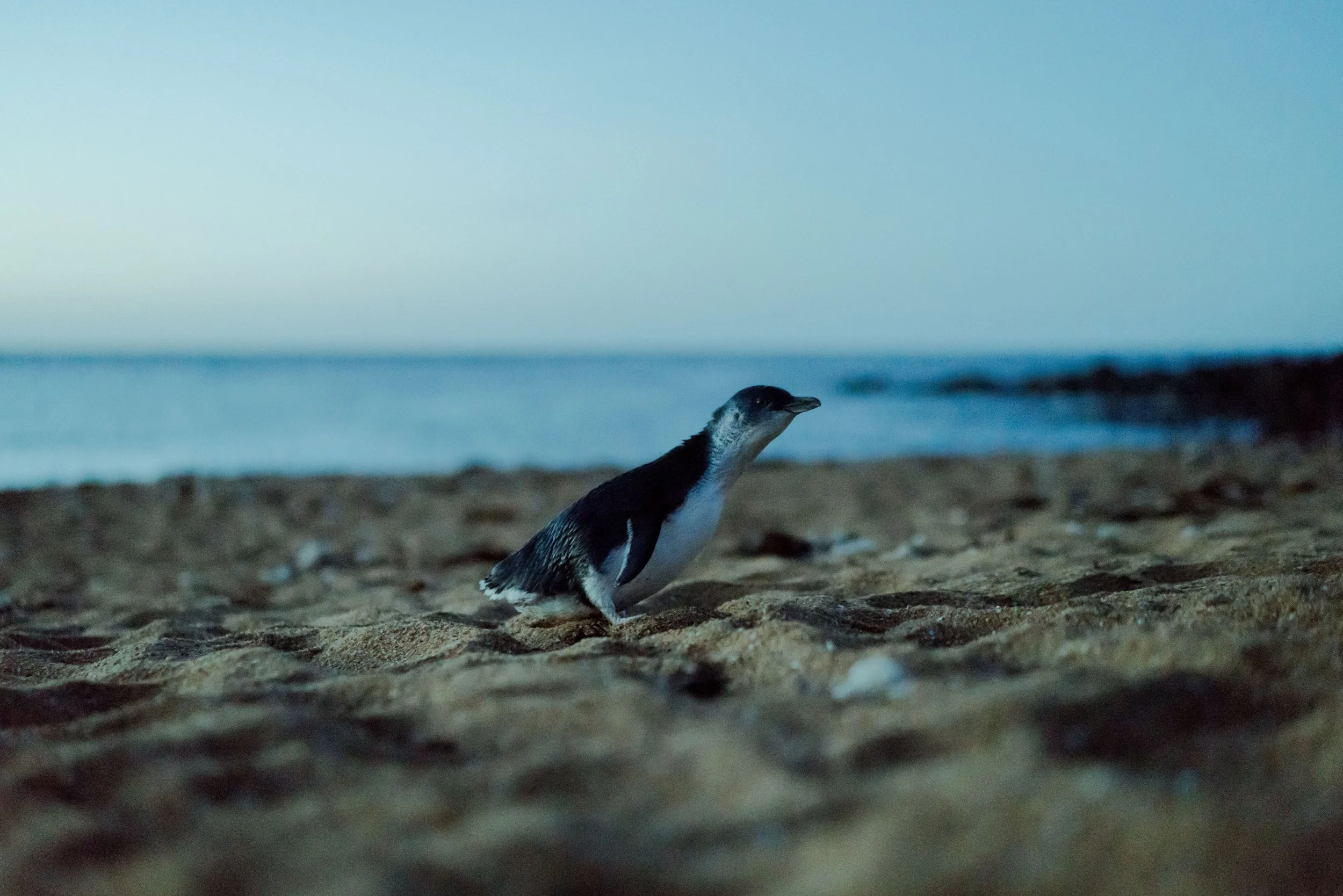
The Bicheno Penguins Worth a Detour
After spending an afternoon in Bicheno walking on rocks and having lunch, Stotz revealed what was missed: "They have a penguin colony there. Every evening at dusk, the penguins come in out of the ocean."
These little blue penguins offer a more intimate experience than Phillip Island near Melbourne. Tour groups use special red-light flashlights to protect the penguins' eyes as you walk along sand dunes watching them return to their burrows.
"I've had a penguin literally walk across my foot," Stotz says. Breeding season runs from September to January, which means more penguin activity.
Protected Wilderness That Requires Planning
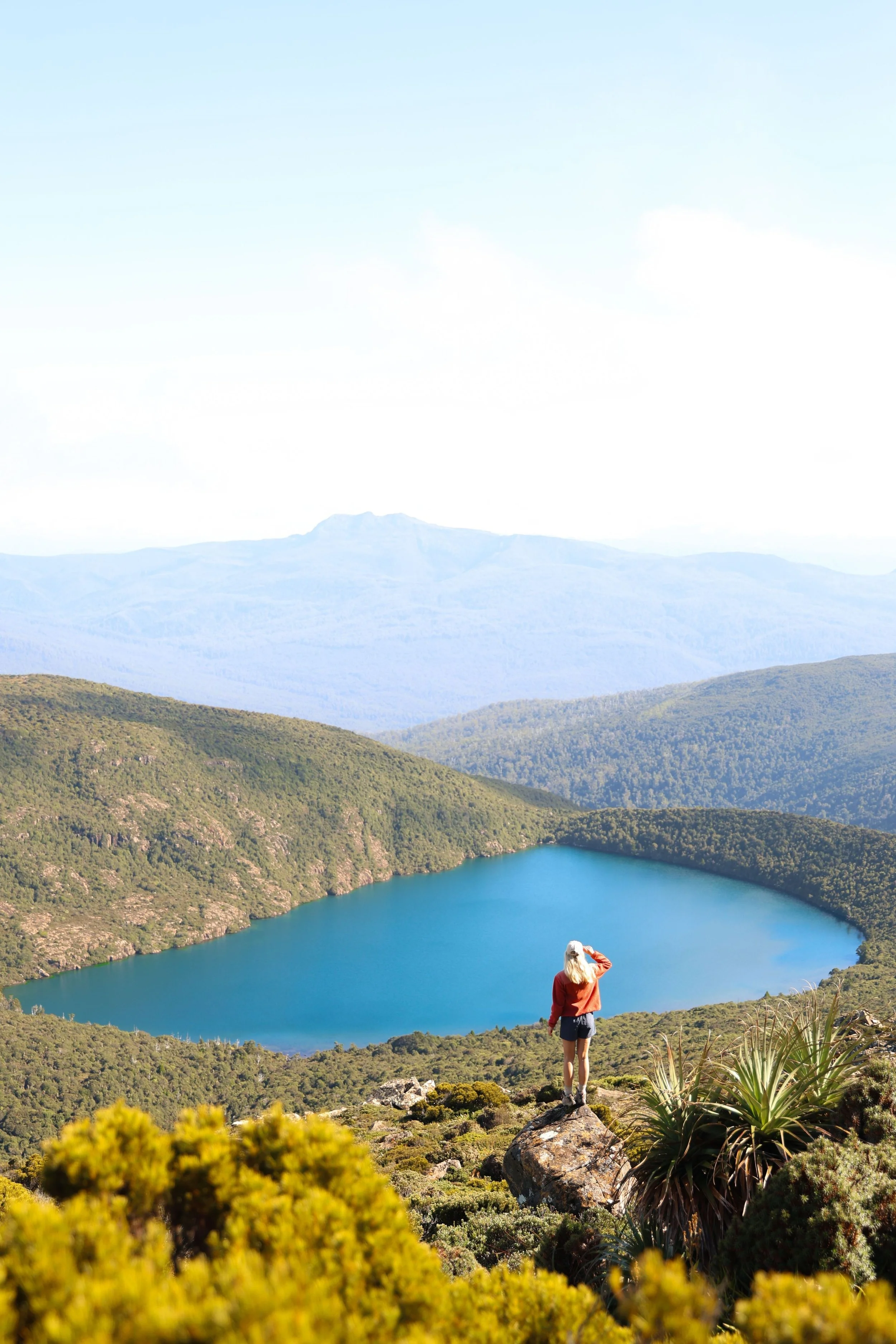
Here's a surprising stat: 40% of Tasmania is protected wilderness. Nineteen national parks, countless forest reserves, World Heritage areas—this island punches far above its weight in pristine nature.
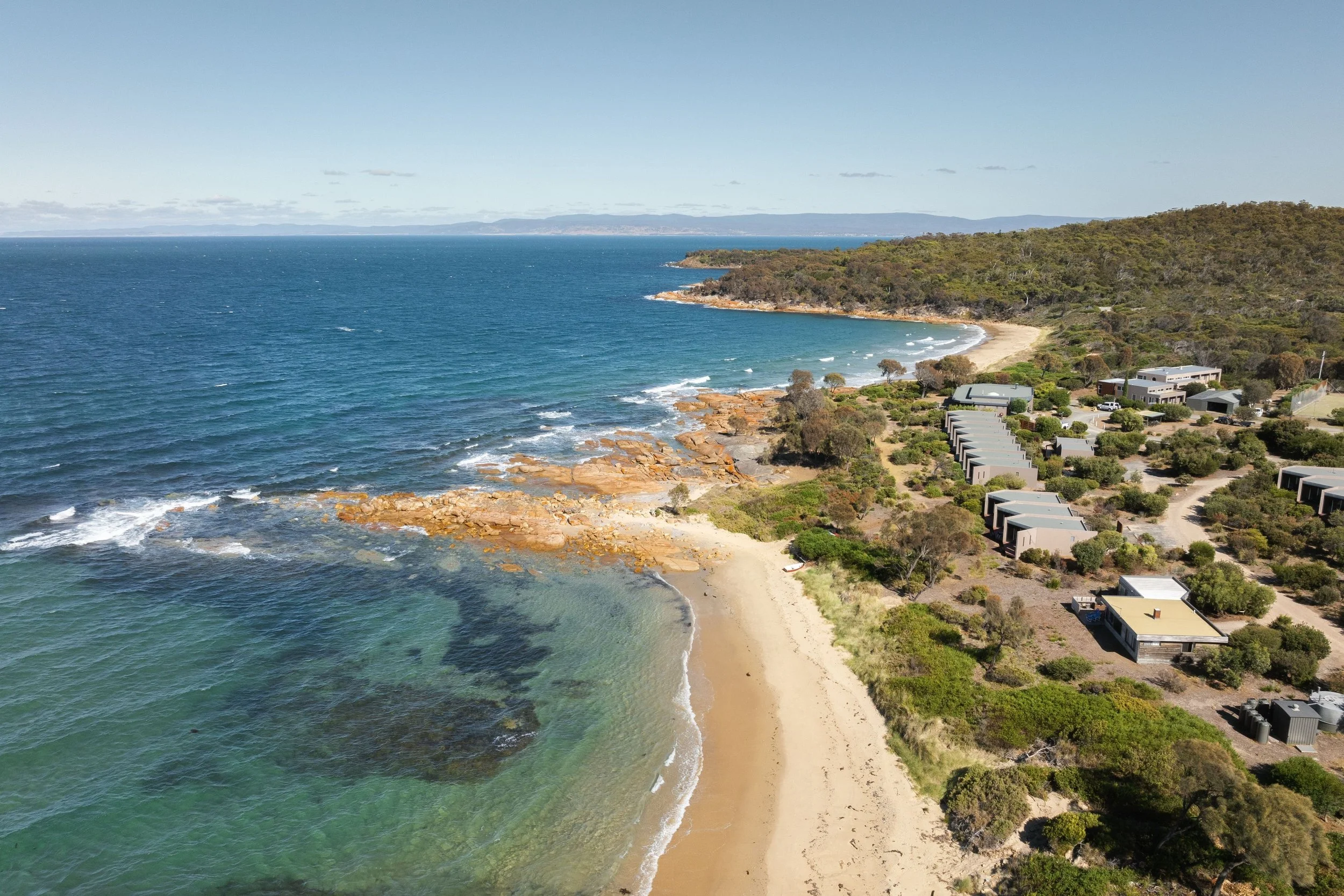
"If you're wanting to stay at lodges like Freycinet Lodge, Saffire Freycinet, Cradle Mountain Lodge, you should book probably five or six months in advance," Stotz advises, especially for December through March visits.
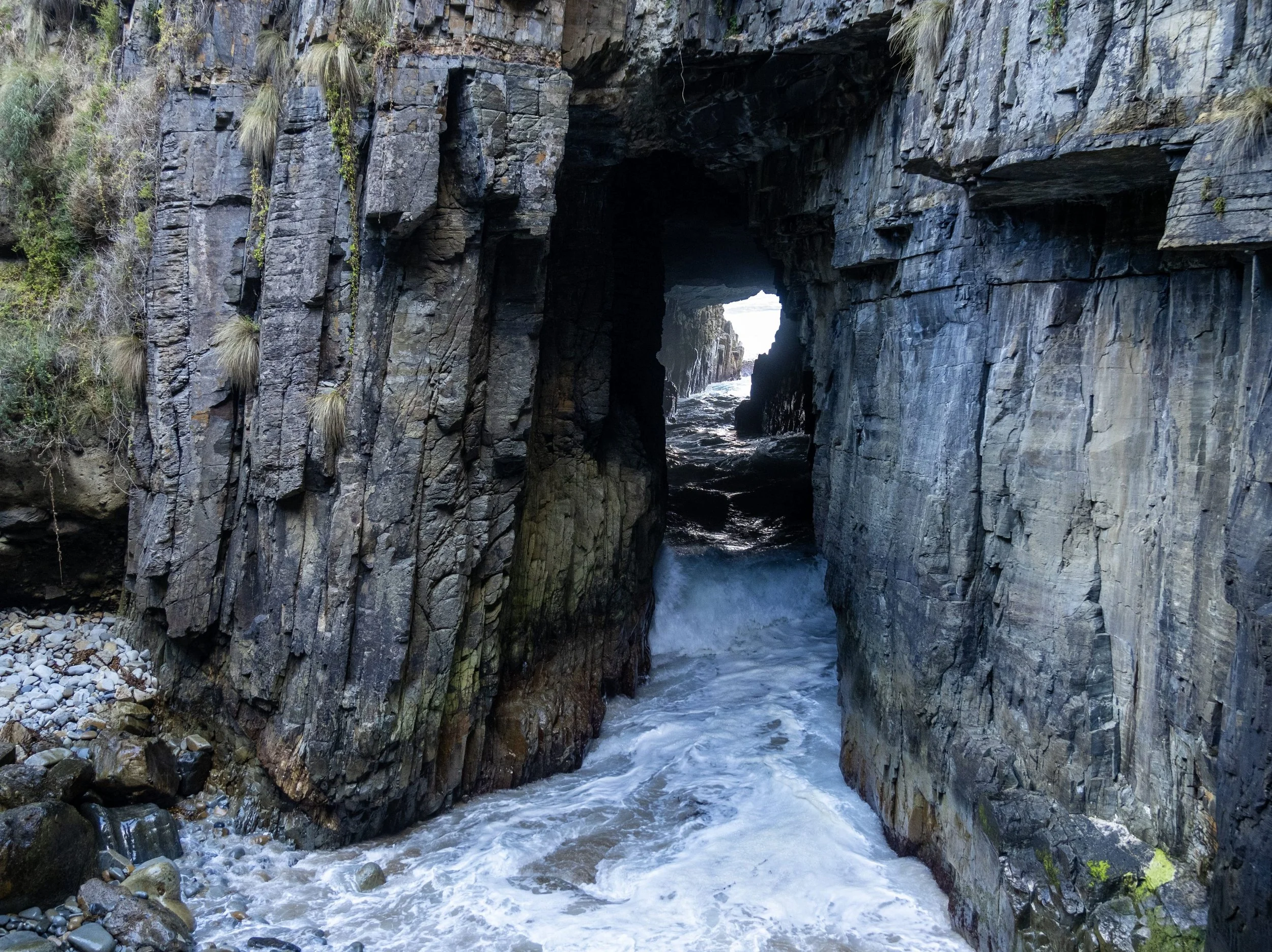
The West Coast stands out for its rugged, undeveloped character. Covered in temperate rainforest and not as well visited as the East Coast, it offers seaplane-accessed cruises through World Heritage areas, historic convict sites accessible from in Strahan, and the West Coast Wilderness Railway originating from former mining territory.
Guided Walks Beyond Typical Hiking
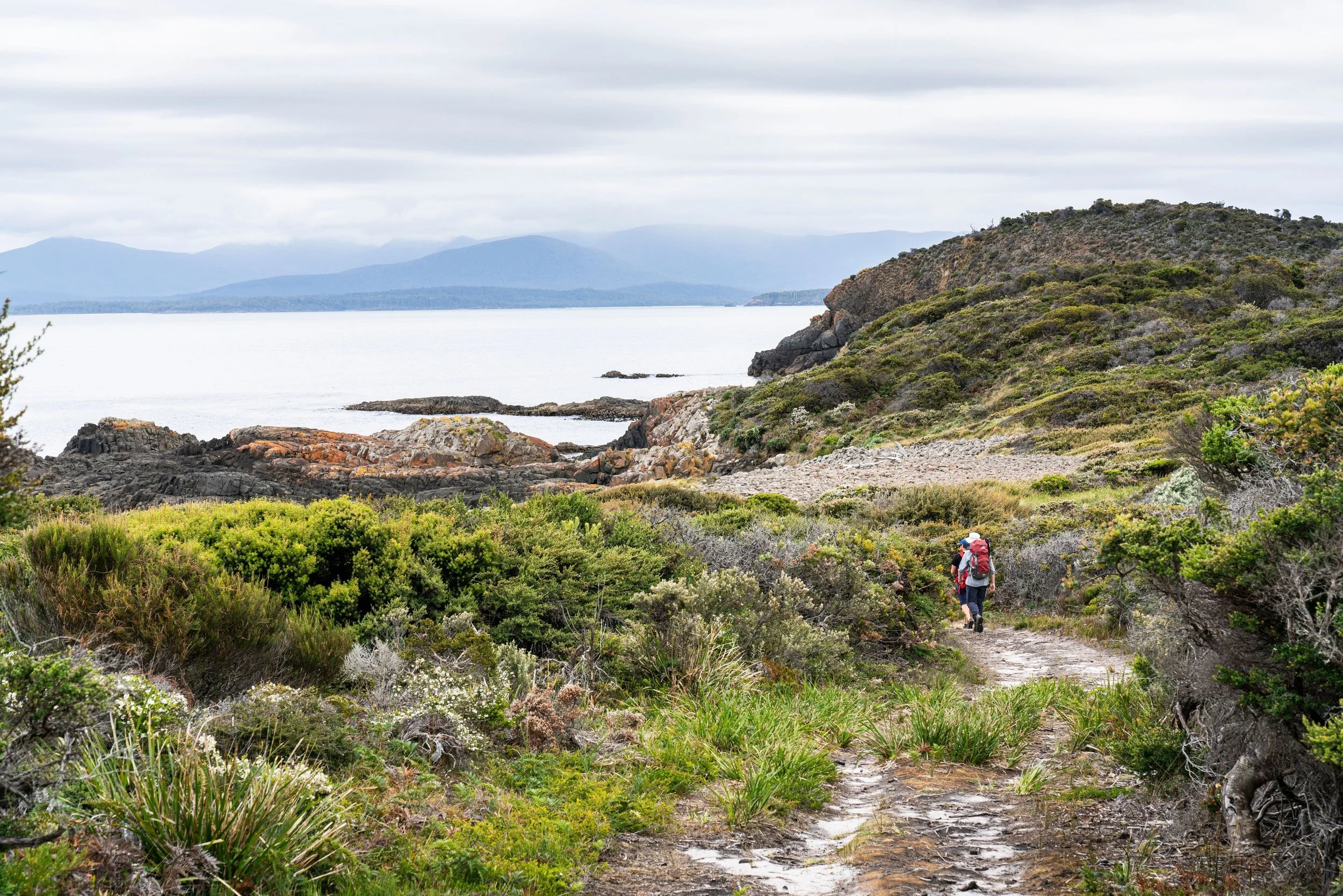
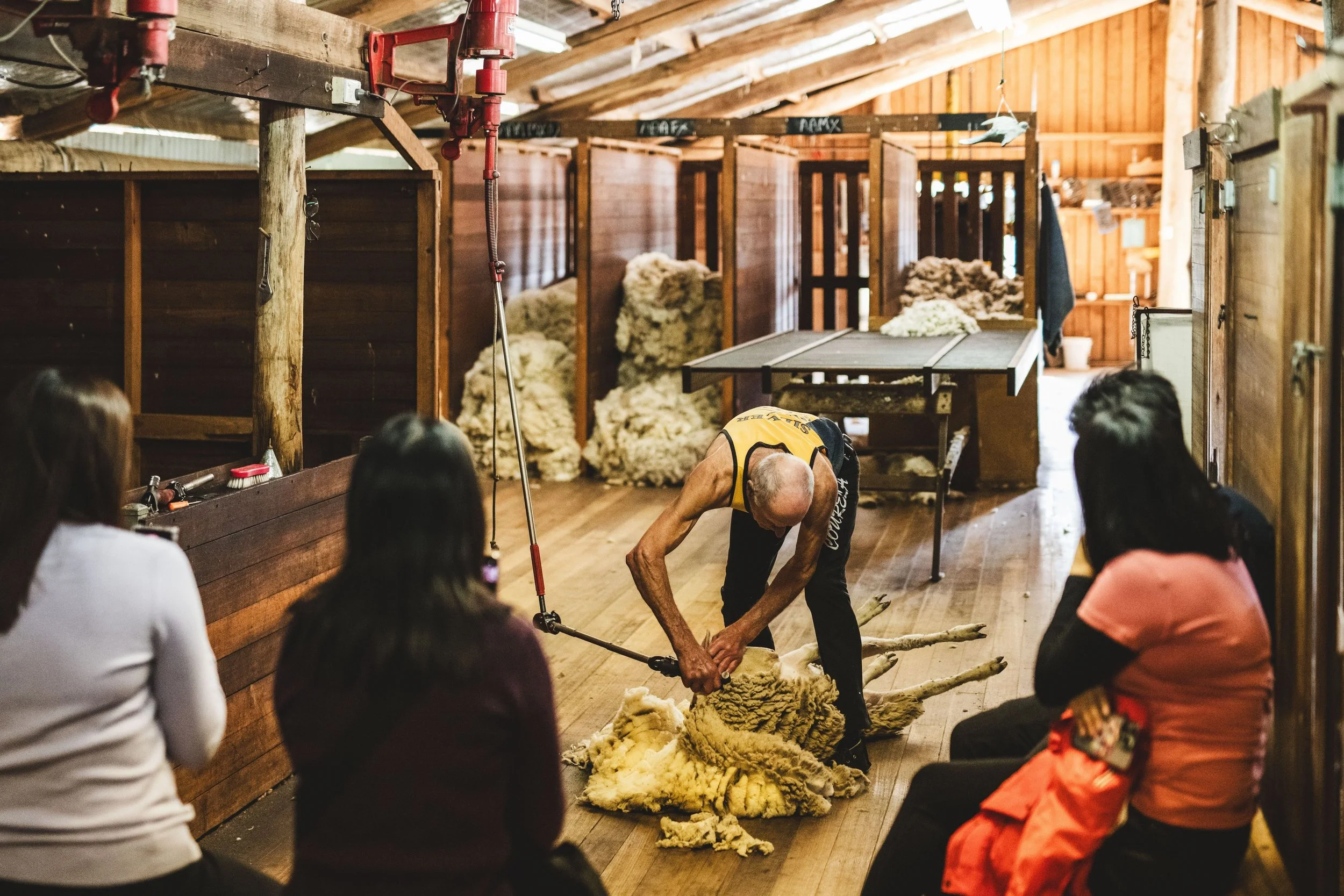
Tasmania has over 800 managed walking trails, but the guided multi-day experiences set this island apart. Think groups of ten with two guides, gourmet meals featuring local produce and Tasmanian wines, and accommodations ranging from purpose-built lodges to cozy huts.
Options vary: some walks go hut to hut, others base from a single lodge with day excursions. The Three Capes Signature Walk on the Tasman Peninsula operates year-round with lodges with options to book massages, facials and a plunge pool at one of their lodges along the way.
"Six of the 15 Great Walks of Australia are in Tasmania," Stotz notes. The temperate climate, short distances, and variety of scenery make it ideal for walking. Most guided walks operate October through April, with some offering modified winter itineraries. Children generally need to be at least 12 years old, and private departures can be arranged for families.
MONA: An Underground Art Experience
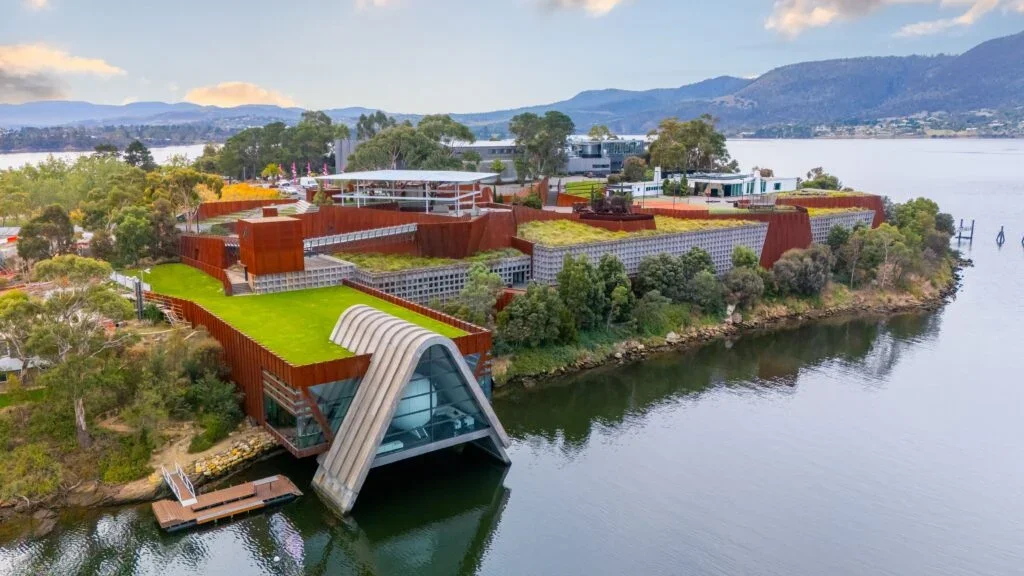
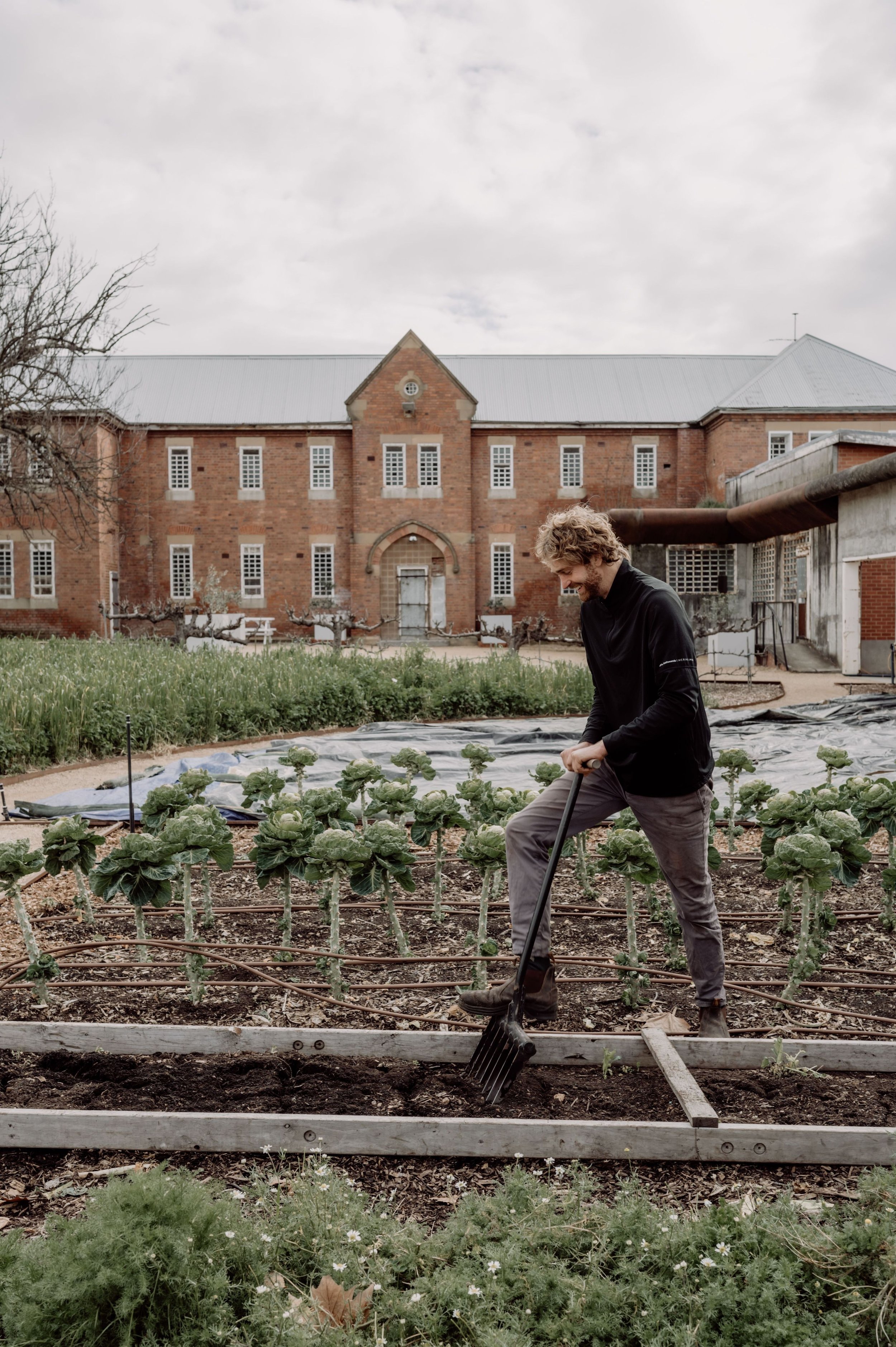
MONA—Museum of Old and New Art—is housed in a building that's three stories underground, much of it below the surface of the River Derwent. The collection belongs to David Walsh, a Hobart native whose private collection includes modern art, antiquities, and sculptures.
Reach it by a 25-minute ferry ride from Hobart on MONA's own catamaran. Inside, there's no signage—just an iPod-like device for navigation. According to Stotz, the philosophy? Challenge visitors. If too many people like a piece, Walsh removes it. Visitors can thumbs up or thumbs down artworks on their device.
It's thought-provoking, occasionally shocking, and unexpected in Hobart. Four distinct spots for dining and cocktails round out the experience.

Food and Wine Beyond the Obvious
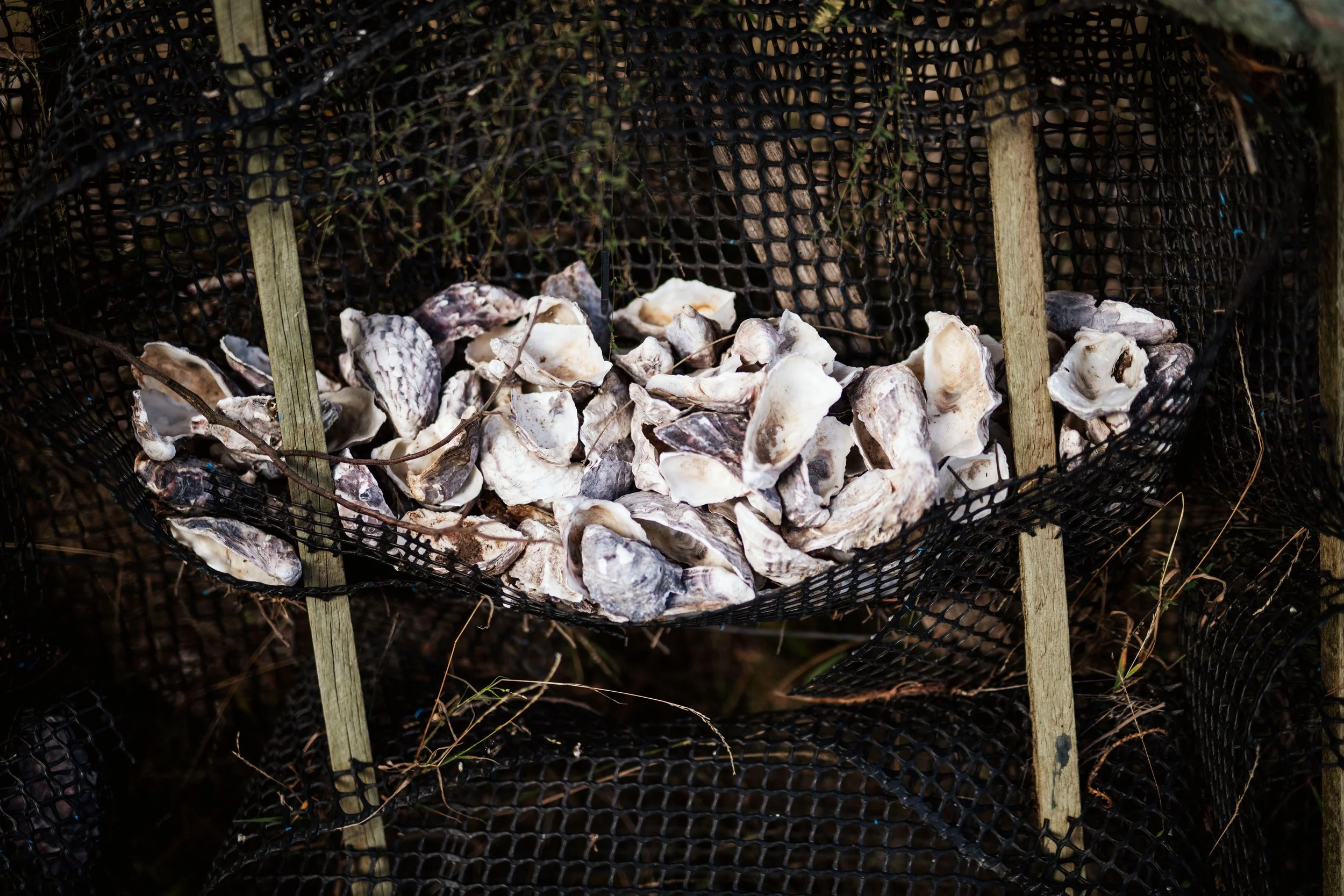
Beyond the exceptional oyster experiences at places like Sapphire, Tasmania offers seafood cruises out of Hobart where crews dive for sea urchin and abalone, cooking it fresh on deck. Truffle hunting with dogs. Whiskey distilleries that started making gin while waiting for their whiskey to mature.
Then there's Grandvewe Cheeses in the Huon Valley, which discovered they could make award-winning vodka from the whey leftover from cheese production. "People don't realize how much is locally produced," Stotz says.
The Sunday Farmgate Market in Hobart operates with a strict rule: you must be the actual farmer or producer to have a stall. This level of authenticity runs through everything Tasmanian.
Timing Your Visit
Tasmania has a temperate climate—summer temperatures range from 75-85°F, winter daytime temperatures from 45-60°F. Most visitors come October through April, but Karen's sweet spot is March through May. "It's not busy, still really nice weather—typically 70 to 80 degrees. It’s a quieter time after Easter."
Spring (September through November) brings blooming rhododendrons in Tasmania's many gardens. Even winter has appeal, especially during June's Dark MOFO festival—a quirky, avant-garde performing arts celebration run by MONA that draws international visitors.
Common Planning Mistakes
"People don't allow enough time," Stotz says without hesitation. When trying to see all of Australia in two weeks, dedicating five or six days to Tasmania seems excessive—until arrival reveals what's being missed.
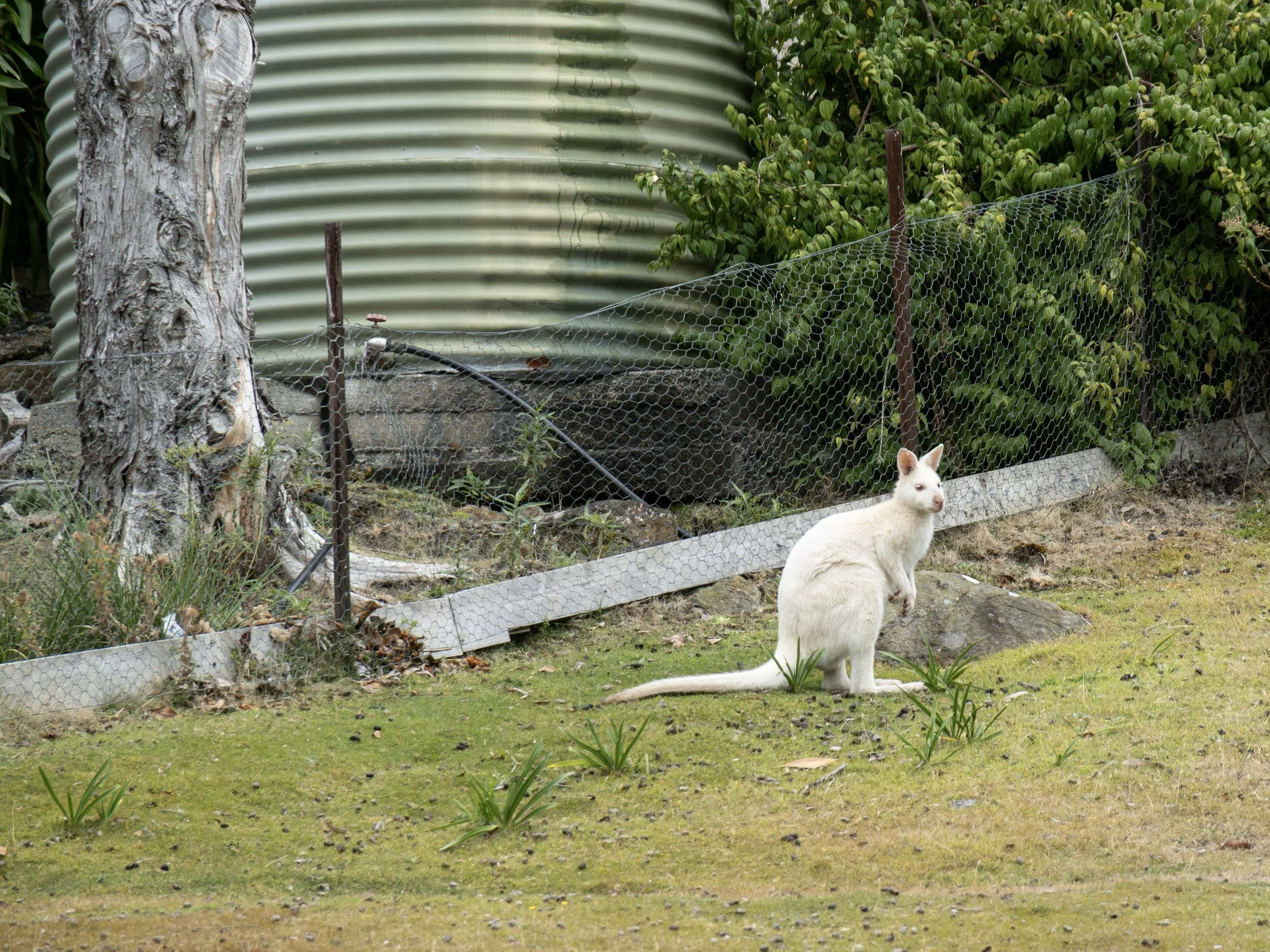
The island looks small on a map, but distances take longer than expected on smaller roads, especially with stops for wildlife, views, and local producers.
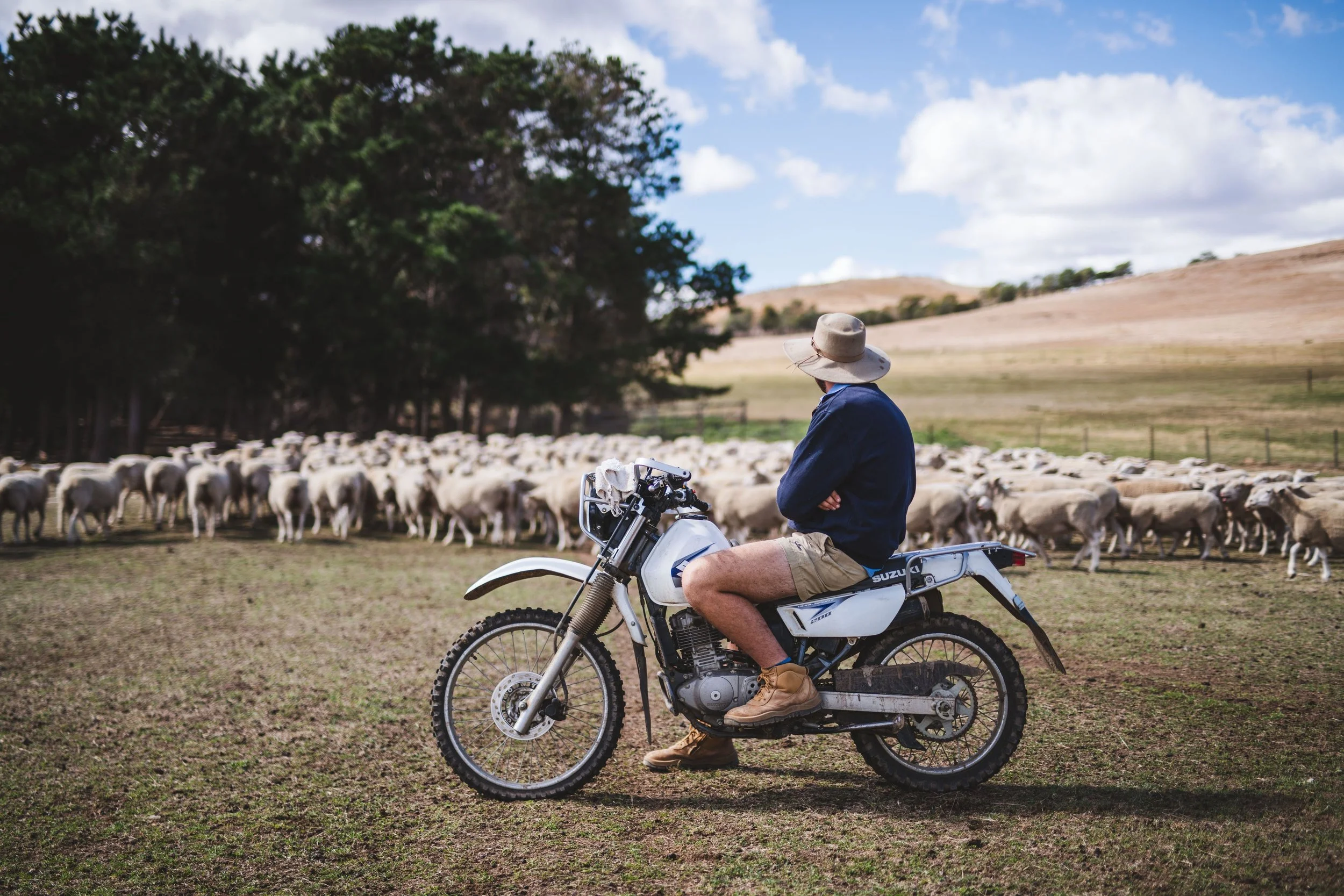
Another error? Trying to do it all self-guided. "Although Tasmania is very doable as a self-drive, it's always good to have a local," Stotz advises. Guides know where to find wildlife, which experiences deliver impact, and insider details beyond Google.
Finally, travelers underestimate the need for layers. Weather changes throughout the day. "Even in summertime, it snows sometimes if you're in those higher elevations," Stotz warns.
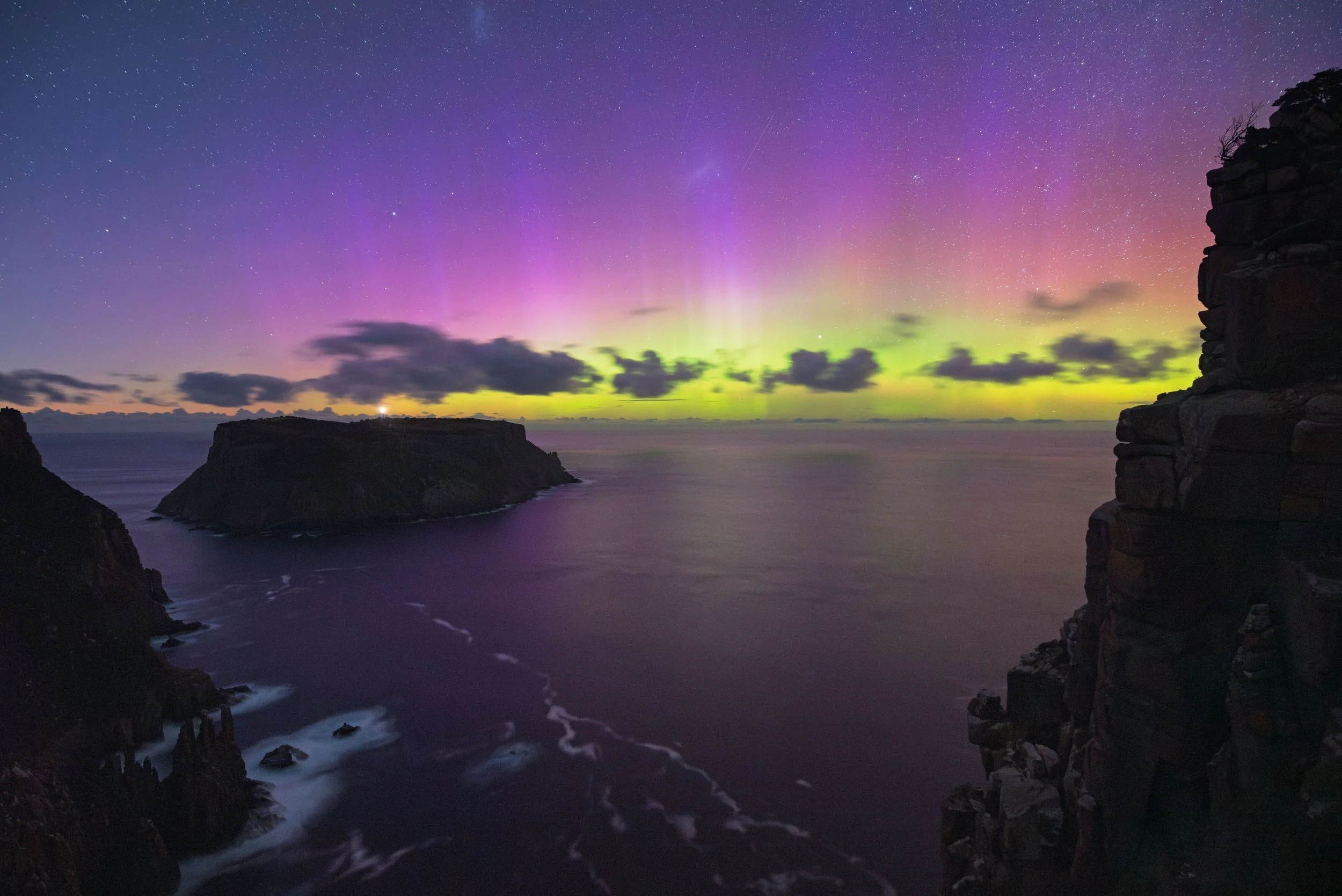
Aurora Australis over Tasman Island
Worth the Return Trip
The return itinerary is already sketched: three nights at Sapphire, Bicheno for the penguins, MONA in Hobart, the West Coast for rainforest and wilderness, Cradle Mountain for wombats and devils, maybe one of those multi-day guided walks.
"Even if people just go for a few days to get a taste of it, they'll come back because they realize there's so much more," Stotz says.
Tasmania isn't a place to check off a list. It's an island that gets under your skin, that creates regret about not booking that third night, that has you researching penguin colonies and whey vodka and planning your return.
And if Tasmania has been passed over in favor of more famous Australian destinations, this is the reminder: the state is worth every mile, every dollar, and considerably more time than initially planned.
Karen Stotz works in the United States representing Tourism Tasmania and has been promoting the island for over 20 years. Thanks to Karen for her time and to Tasmania Tourism for all the photos. For more information about Tasmania travel, reach out to Well Placed Travel.
Well Placed Travel: Your Tasmania planning partner
For other travel stories by Well Placed Travel, check these out.
© 2026 Karen J Urosevich, LLC. All rights reserved. The original content on this site is copyrighted by Karen J Urosevich, LLC, and may not be reproduced, in whole or in part, without our express permission.
