
Before You Book an African Safari, Read This
What to know before your first African safari: A Well Placed Travel conversation about Rwanda, Tanzania, Botswana, and South Africa with Jessie Tate of Singita
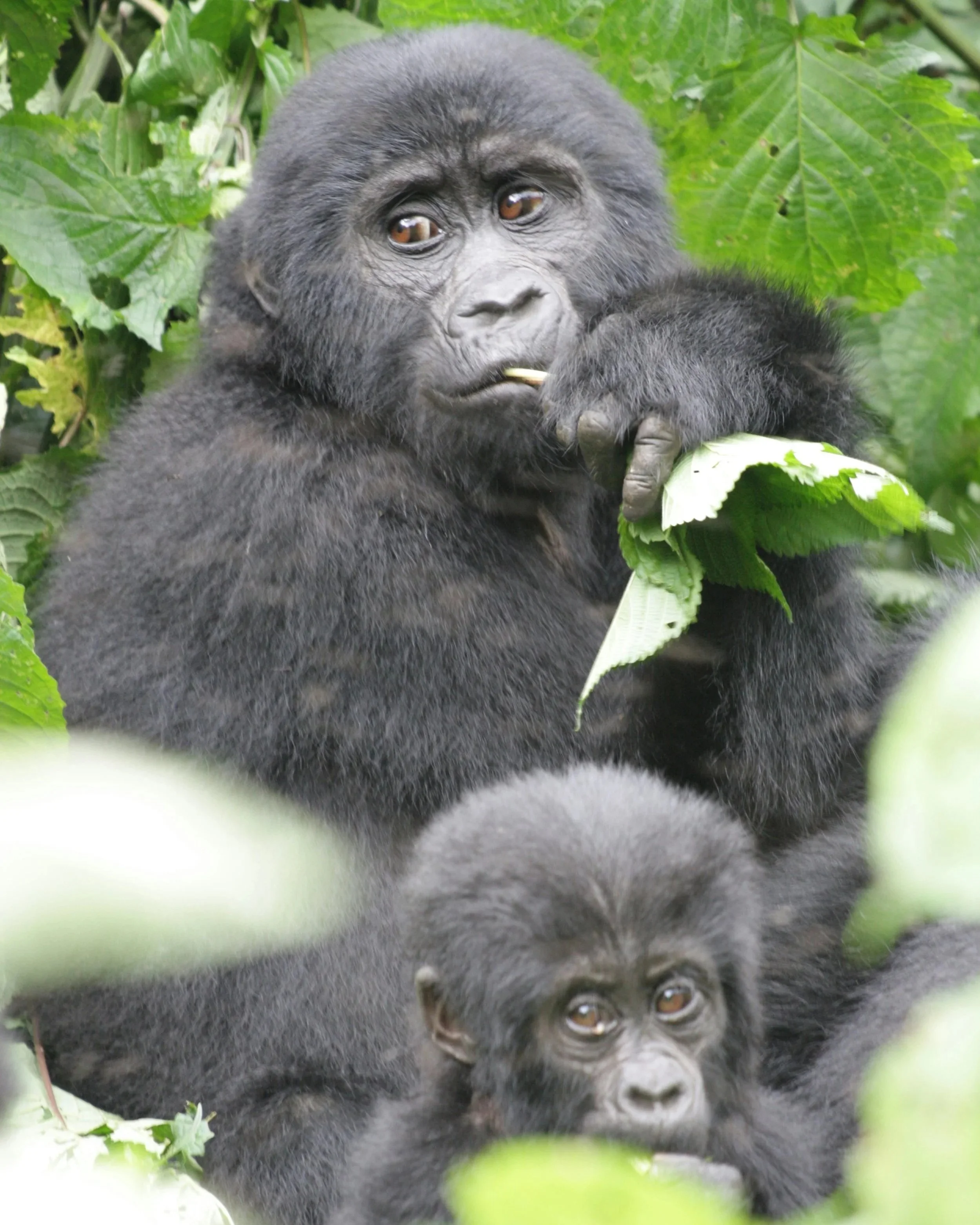
There's a moment, about an hour into a walk through Rwandan rainforest, when a guide stops, makes a low sound in his throat and a silverback gorilla answers back. That's the moment Jessie Tate, Sales Manager at Singita, calls one of the most humbling experiences of her life. Singita runs exceptional safari lodges and camps across privately protected conservation land in Tanzania, Rwanda, South Africa, and Zimbabwe, with Botswana opening this December — land that was once heavily poached and has since become one of the continent's real conservation success stories. Here's what she had to say.
You've talked about looking into a gorilla's eyes as one of the most humbling moments of your life. What leads to that?
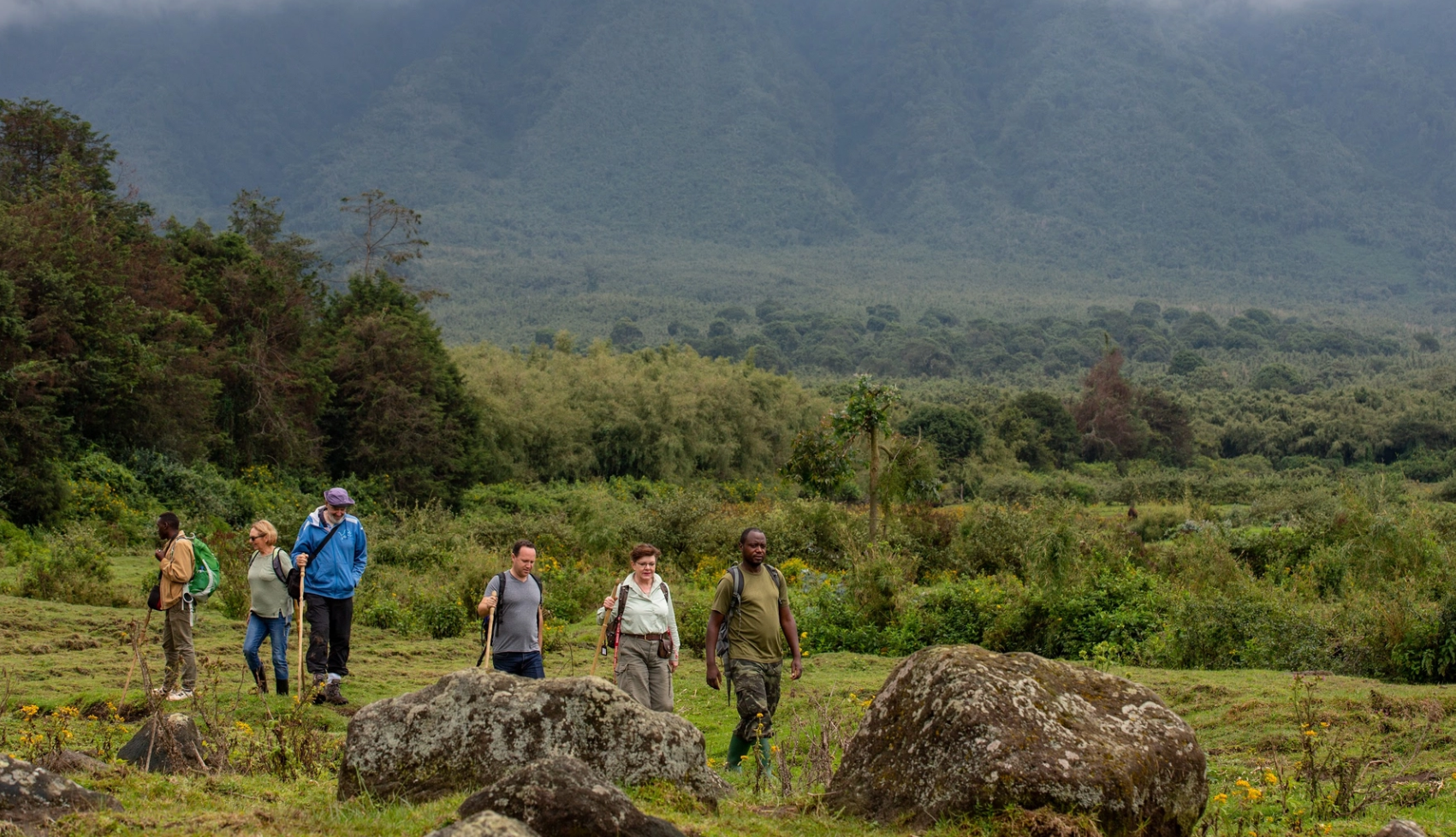
Most itineraries open with the genocide memorial: go first, not on the way out, since processing something that heavy before a flight home is hard. From there it's a two-and-a-half-hour drive through tea plantations to Volcanoes National Park, where you're briefed and assigned to a habituated gorilla family.
The trek itself is unpredictable. Sometimes it's twenty minutes through farmland. Sometimes it's two hours or more of steep climbing, the guide pointing out plants and small creatures along the way — all of it building toward the one thing you came for. Once you reach the gorillas, you get exactly one hour, and it's less like observing wildlife and more like being let into someone's home. They groom each other. The younger ones wrestle and get scolded. A mother keeps half an eye on her baby the entire time, the same way any mother would. I remember asking our guide, half joking, if he'd just spoken to that gorilla. He laughed and said yes, more or less- that's exactly what happened.
What should someone know before deciding to do a gorilla trek?
It doesn't take serious fitness. Difficulty depends on where the gorillas happen to be that day, not on the traveler, and porters help guests with limited mobility. We even offer a chair-and-porter setup that can carry someone who can't walk at all. Altitude can bring a mild headache, similar to a trip to Denver, but rarely requires acclimatizing.
That's Rwanda. But some people's idea of an African safari starts somewhere else entirely with the Great Migration. Is that fair, or is it a misconception?
It's the biggest misconception people carry in with them. The Great Migration doesn't mark the only time worth going, and safari doesn't look the same everywhere on the continent. I never thought I'd go to this continent more than a dozen times myself, and I don't take a single one for granted. Something in me heals a little every time I go. Wildlife gets you on the plane. The people and the land bring you back. My favorite moment comes when a guest tells me this is their one-time trip, and I just smile and say: see you next year, once the safari bug bites.
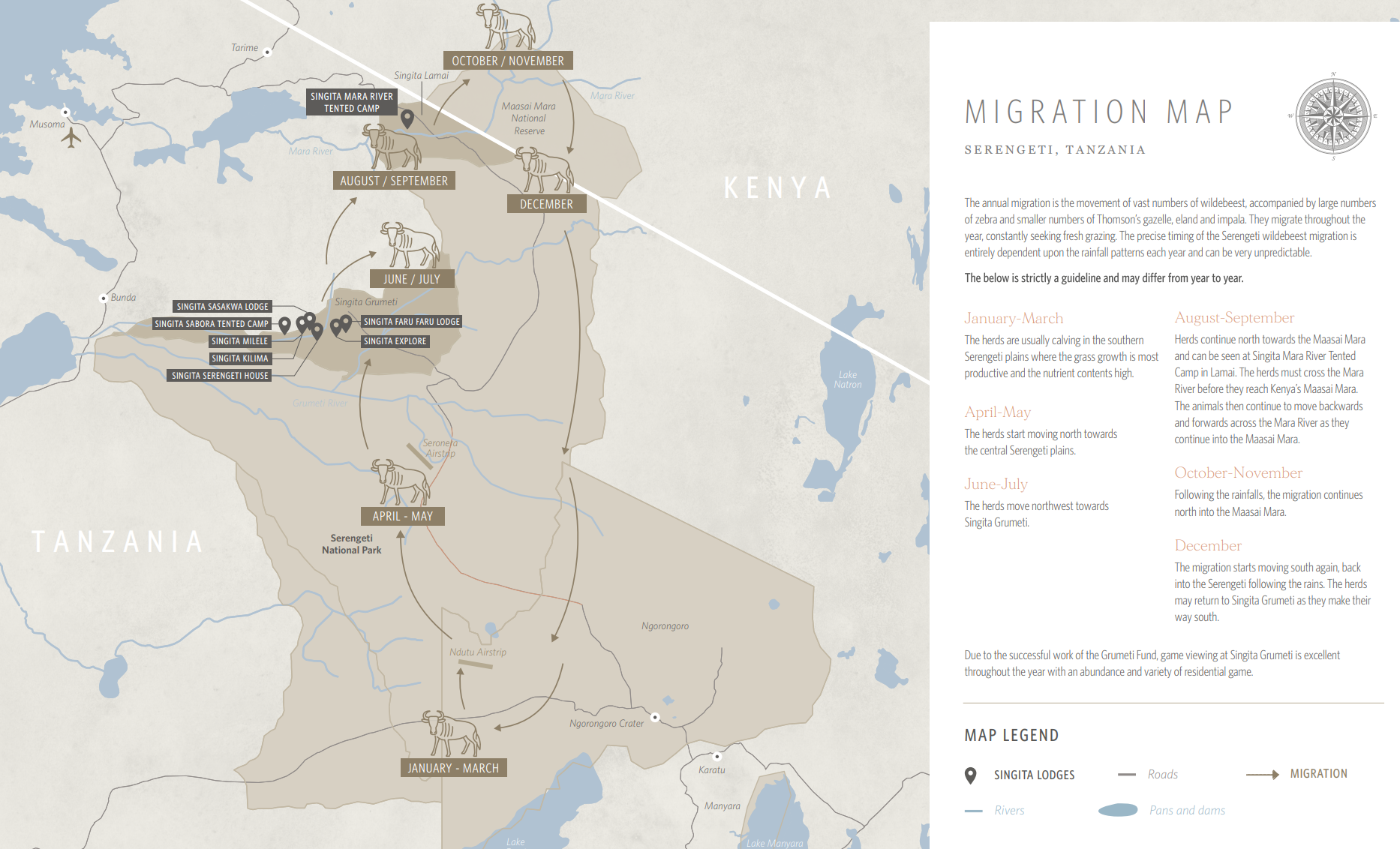
Singita Great Migration Map
So what's the migration and is it gory?
It's millions of wildebeest, zebra, antelope and gazelle, chasing the rains in a loop through Kenya and Tanzania. That's the whole migration. Nothing else moves — the elephants, giraffes, and lions (the “resident game”) stay right where they are, picking off stragglers as the herd passes through. What people picture when they say "the migration" is usually the river crossing, and that happens later in the year, further north in the Mara. It's loud, it's chaotic, and some animals don't make it across, so yes, it can be gory. I still think it's one of the great things to witness on this planet. I'd just rather someone go in knowing what they're seeing instead of expecting a National Geographic highlight reel.
The migration mostly plays out across Singita's Tanzania properties. Can you talk about the differences between the three?
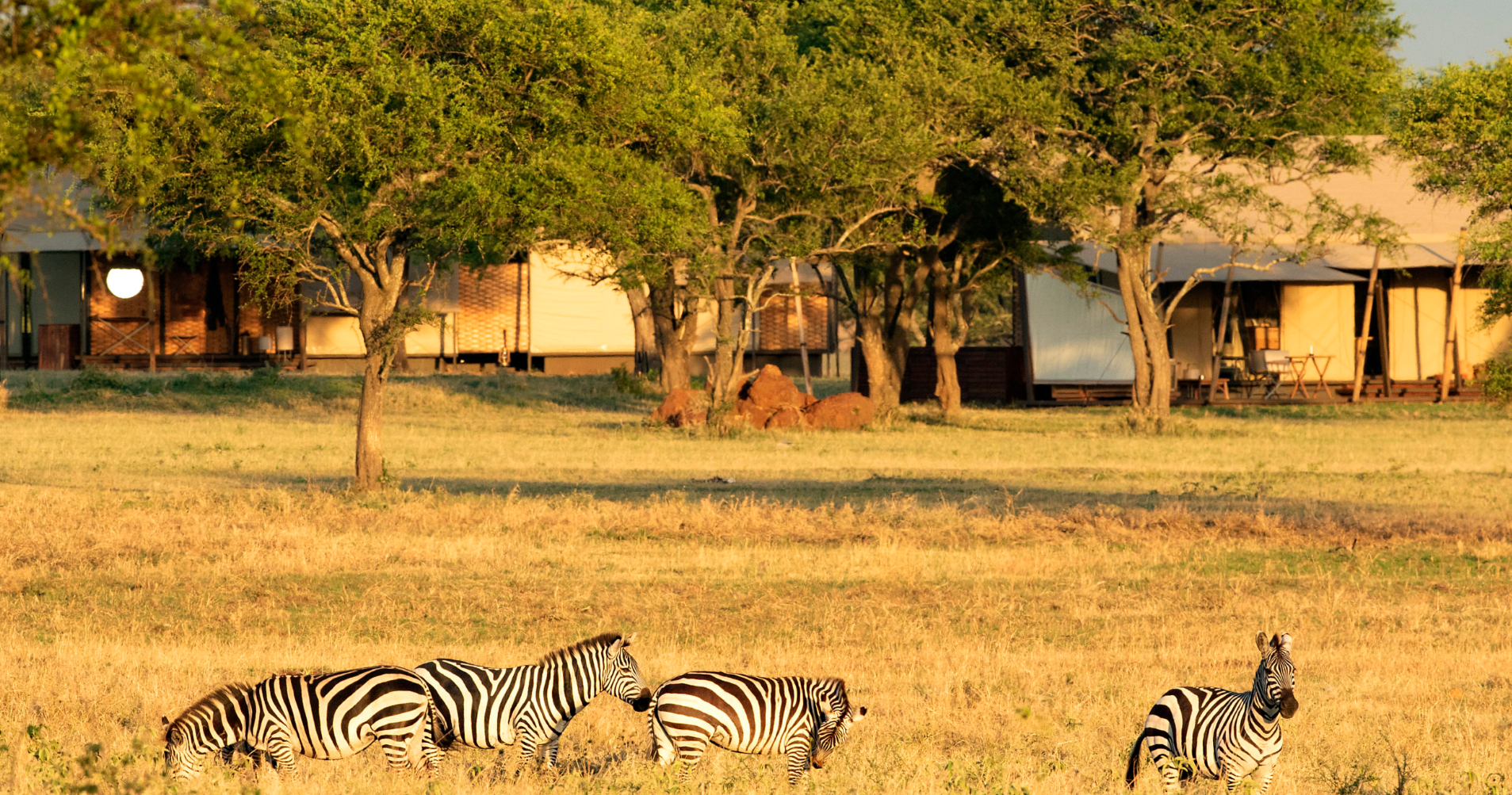
Sabora Tented Camp, Tanzania
Wake up in Sabora where wildlife roams freely, grazing the paths you walk. It's the most immersive of the three: platforms, canvas walls, an outdoor shower with nothing between you and whatever's grazing nearby — impala, buffalo, whatever wanders past. Nothing is fenced, so wildlife moves on its own schedule, and it's not the kind of tent that requires zipping yourself in for the night. Comfort is always close, but adventure awaits at the edge of your deck.
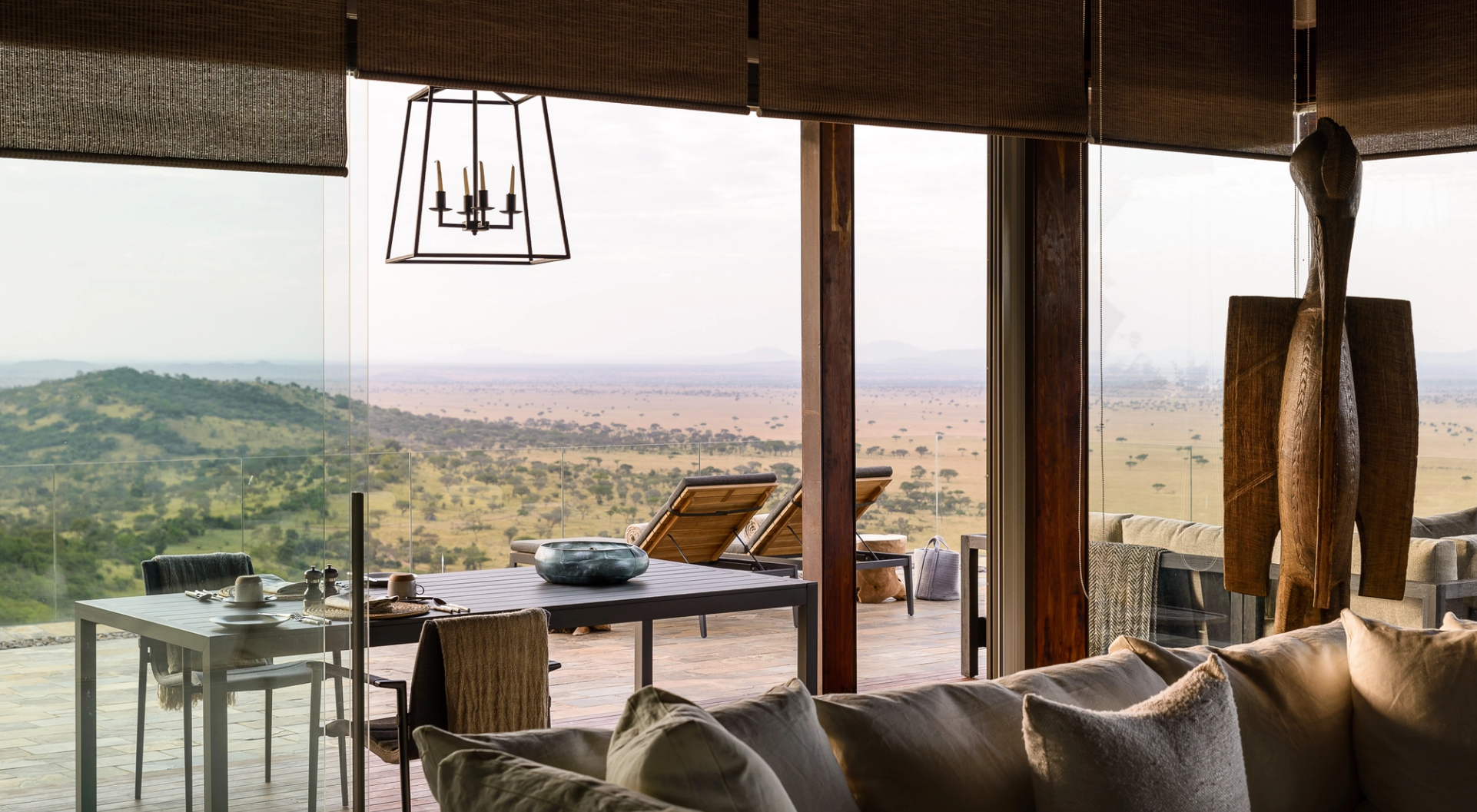
Sasakwa Lodge, Tanzania
Sasakwa Lodge sits on top of a hill with, arguably, the best view in the Serengeti: sweeping plains below, chandeliers and four-poster beds and a soaking tub. It's the most social of the three: tennis court, yoga pavilion, boutiques, fire pit, high tea. We offer a Hillside Suite, perfect for couples that sits apart from the main property with its own private vehicle. Grand yet gently welcoming, Sasakwa’s lounges, dining rooms, and verandas draw you both outdoors and in, toward a deeper, more effortless connection with this place.
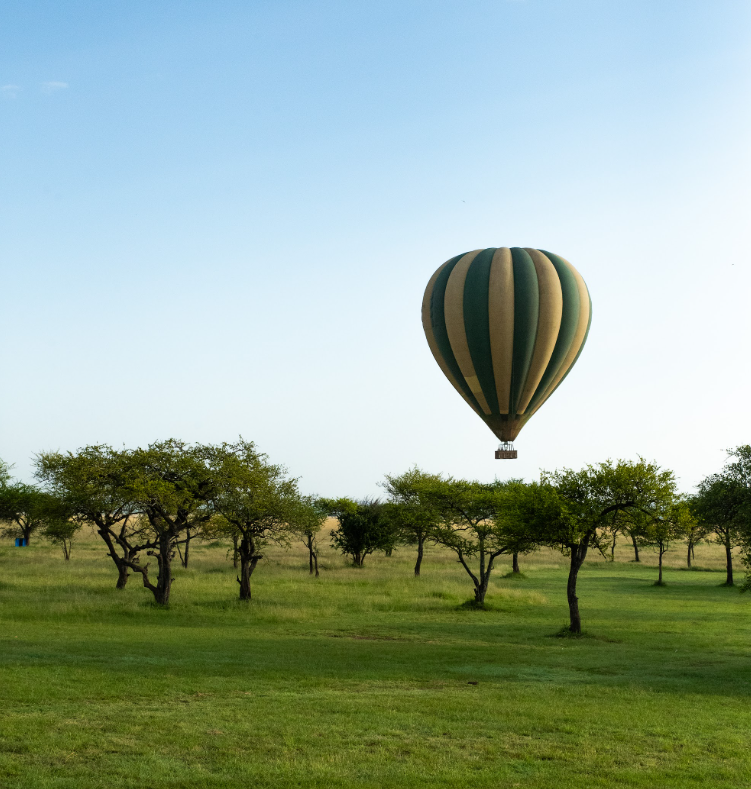
Hot air balloon safari at Faru Faru
Faru Faru sits lower, over a watering hole in a greener, more forested pocket of the reserve. Canvas walls are built to feel like a lodge, with glass that retracts so you choose how much bush you let in overnight.
All three properties sit close enough — thirty to forty-five minutes apart, a game drive rather than a flight — that combining two in one stay is easy to do. We also offer private villas perfect for multi-gen families, couples traveling together or simply more privacy.
A new Singita debuts later this year in Botswana. What makes this different?
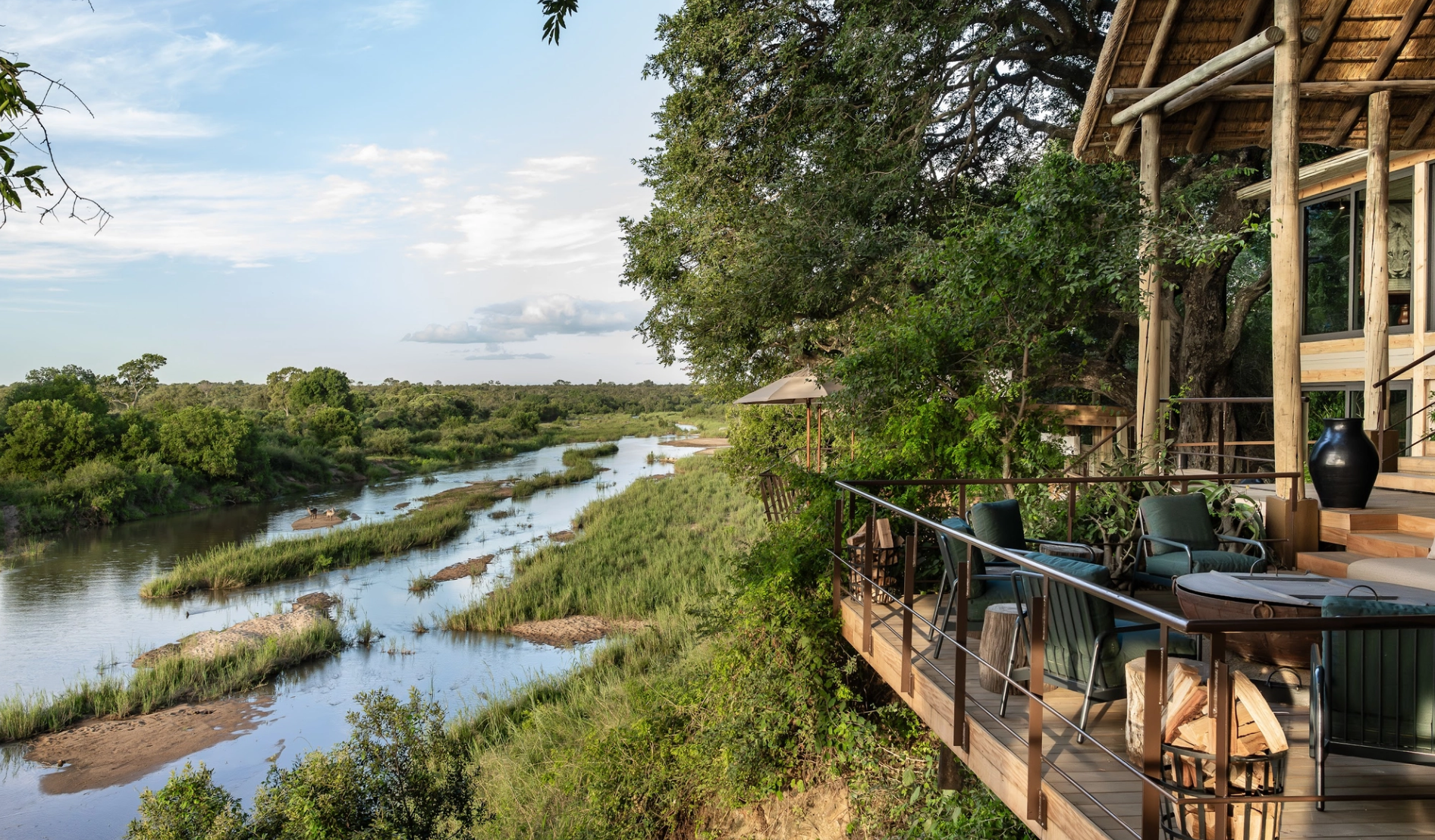
The water. Picture gliding through the Okavango Delta by mokoro, a traditional two-person canoe, at eye level with an elephant, close enough to hear it breathe. That's the draw. Singita Elela opens this December on 420,000 acres in the delta, fed entirely by rain from Angola highlands rather than any ocean, which makes it genuinely one of a kind. Boats cover the larger channels for birding and game viewing from the water, and a helicopter ride over the delta's channels is worth doing once just for the view. Each camp is circular, raised on stilts and open on all sides. The 360-degree landscape views shift with the seasons. And, each camp comes with its own host, guide, tracker and vehicle for even more privacy and deep connection with the destination.
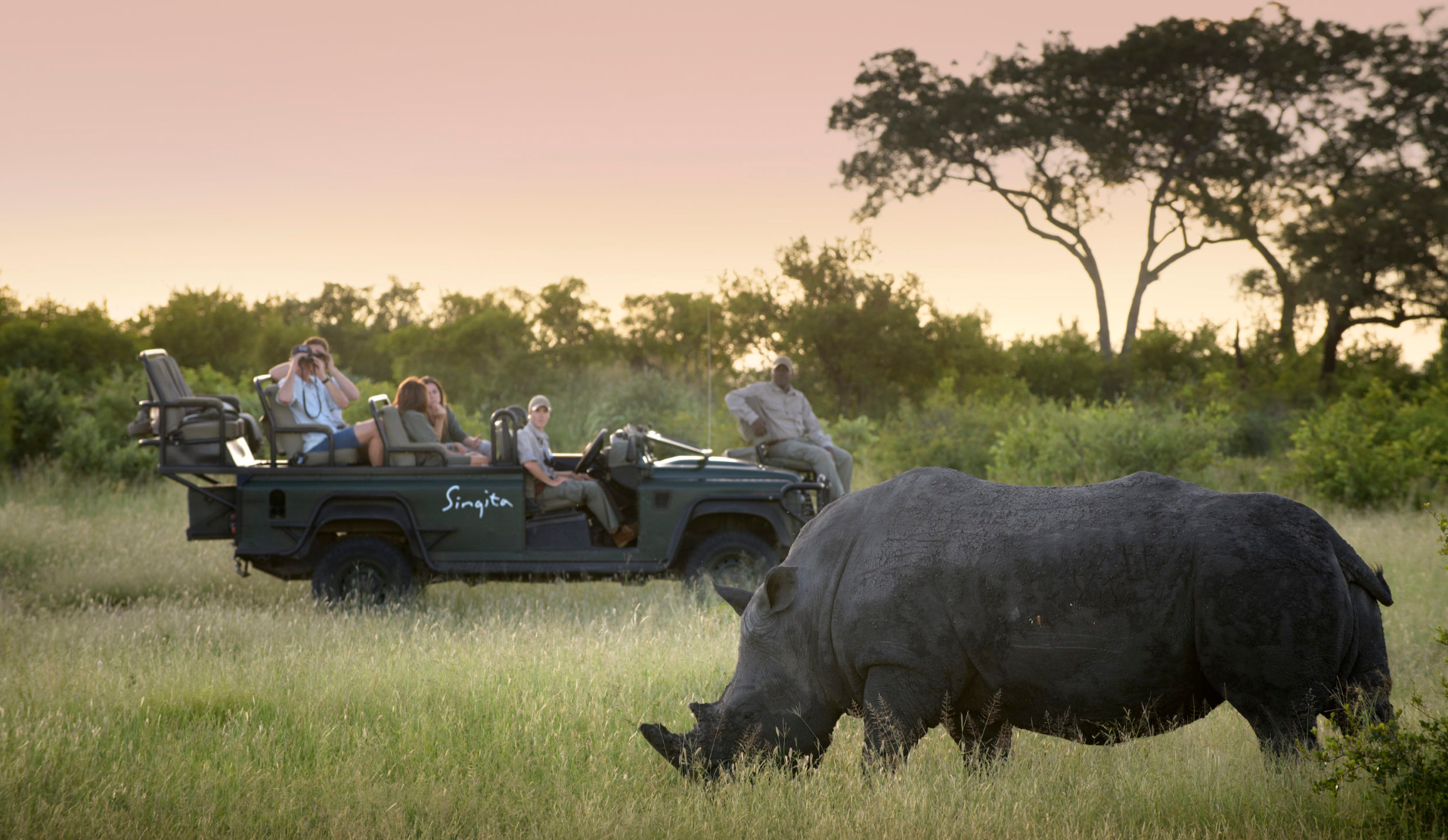
Rhino sighting on a South African game drive
Singita's South Africa footprint is where a lot of first-time safari travelers start. What's the biggest misconception about Kruger, and how is it different from Sabi Sands?
Most people picture Kruger as a public park with paved roads, rental cars, other vehicles everywhere. Singita's Kruger property is nothing like that: private land bordering Mozambique, rolling hills, stargazing that's hard to overstate. Sabi Sands suits first-timers better, thick with game, especially leopard. Kruger feels wilder, quieter, more remote. Same ecosystem, same animals — the real difference is pace. Why not combine both?
Whether it's Kruger, Sabi Sands, or somewhere else in the portfolio, how do you choreograph a family safari?
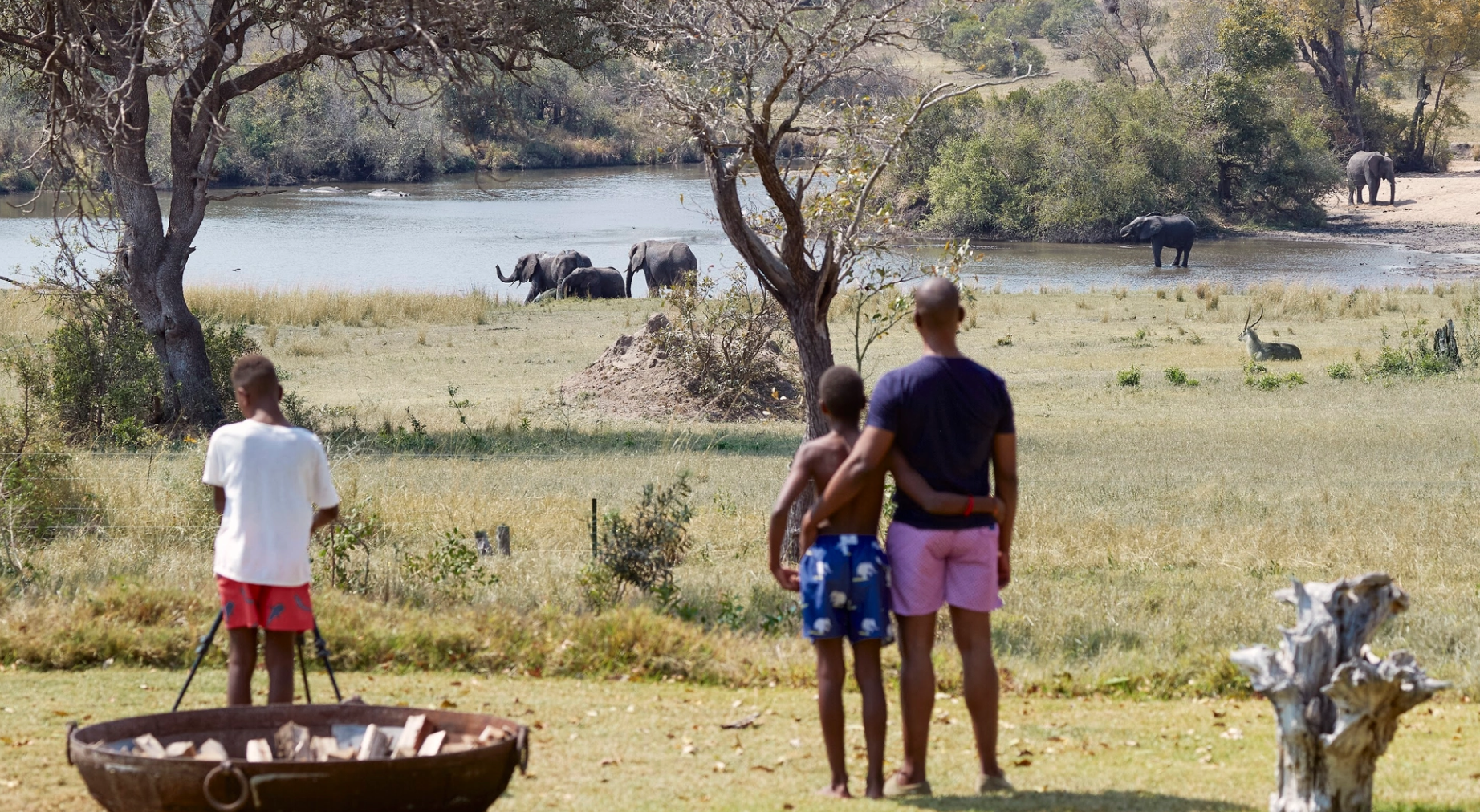
A family watching elephants at a watering hole
There's no fixed schedule at any Singita property — no set mealtimes, no itinerary posted at the front desk. If the kids get restless, we pull the chef aside for a pizza night, or send a guide out to run a scavenger hunt before anyone asks. Families can book into the traditional lodges, many with connecting rooms, or into one of our private homes, which open for exactly one group at a time. Castleton, in the Sabi Sands, is the clearest example with six cottages on land that belonged to the family of Singita's founder. It offers its own general manager, chef, and guiding team. Whether it's two people or twelve, no one else books in, and that exclusivity tends to matter more than the number of bedrooms.
Across all of that — Rwanda, Tanzania, Botswana, South Africa — what's included in a Singita safari, and what isn't?
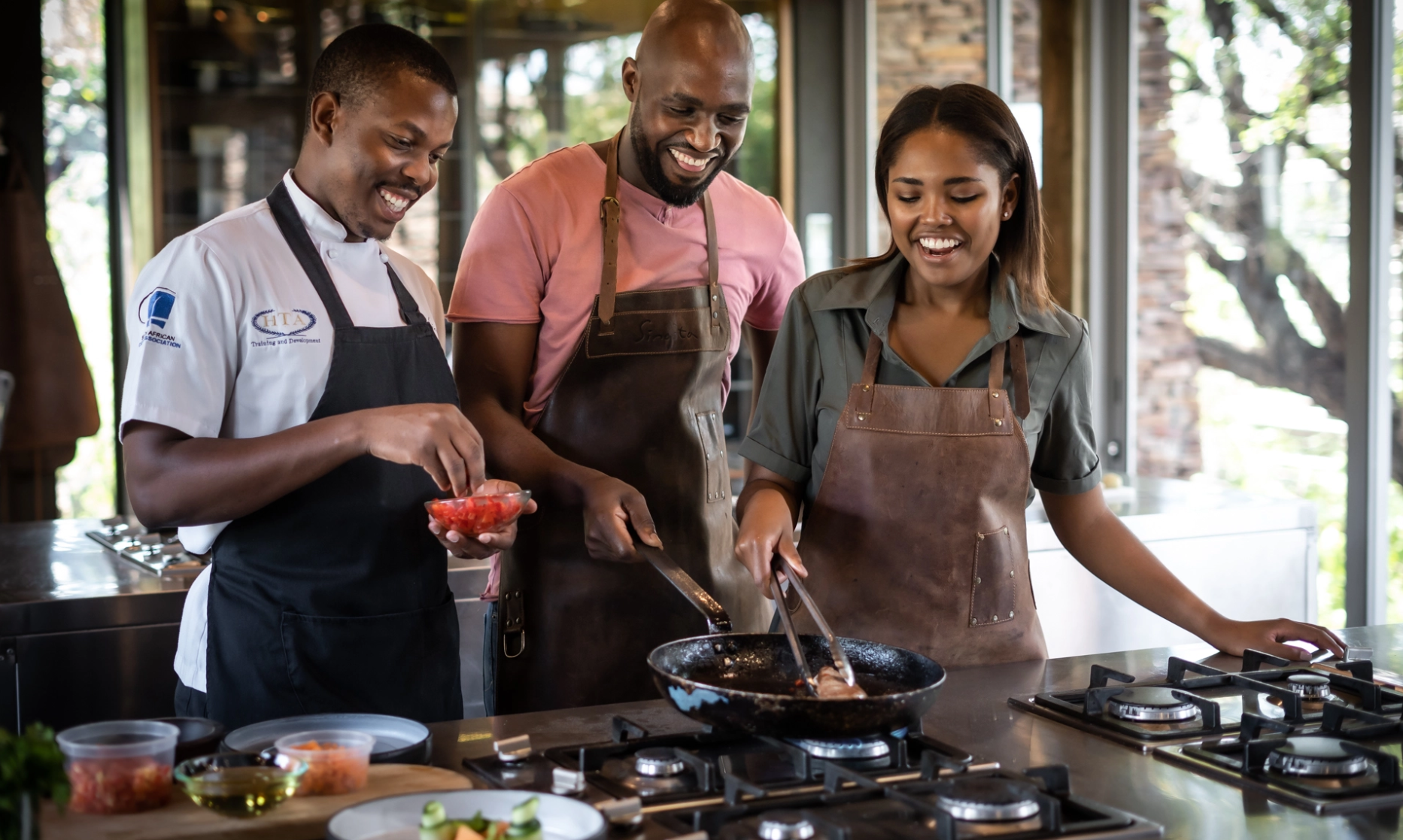
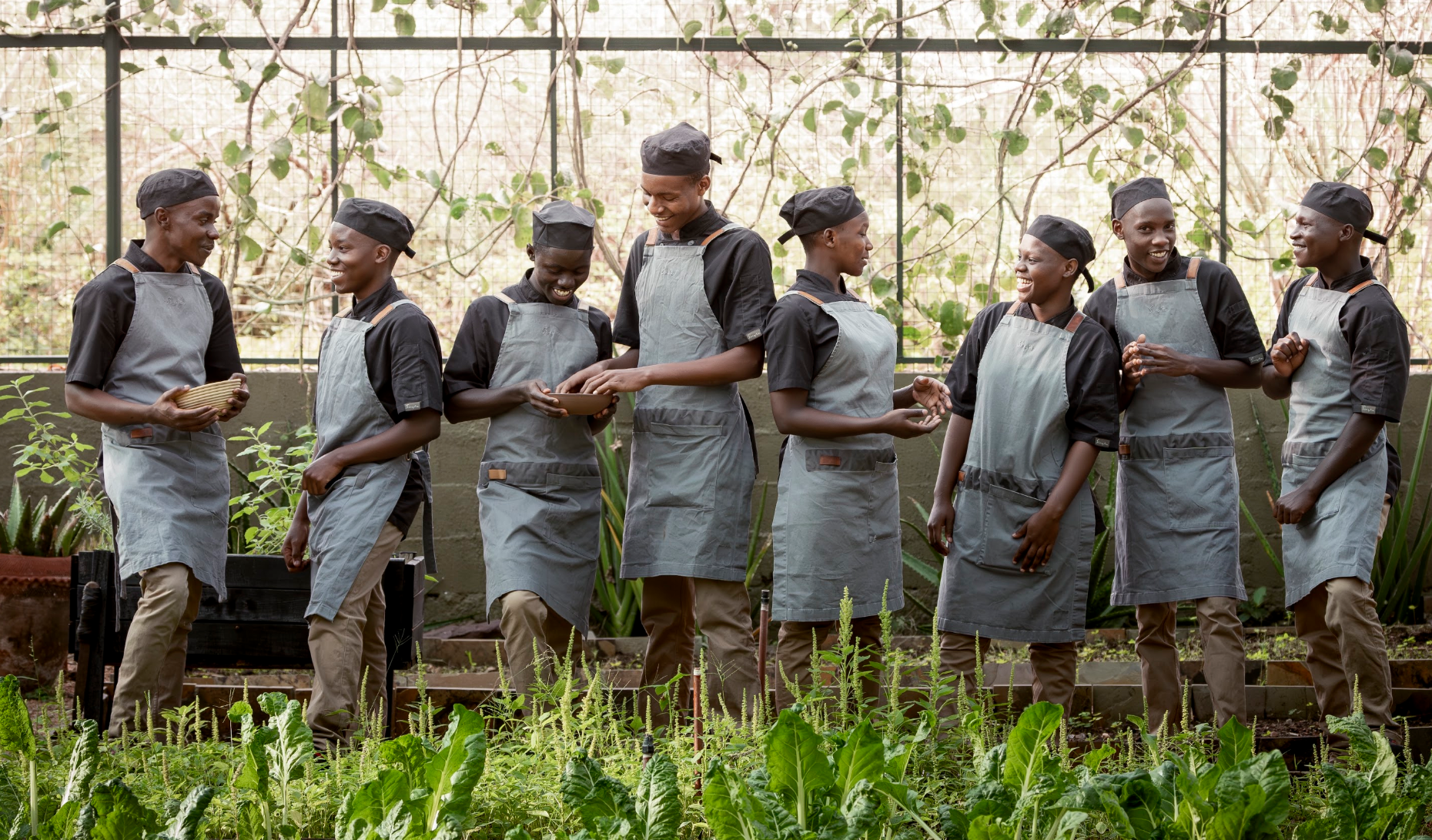
Somewhere in the bush is a wine cellar with its own full-time sommelier; that's the kind of included you're working with. We run all-inclusive: twice-daily game drives, transfers, every meal, and a wine program deep enough that we rank among South Africa's largest wine purchasers. Sound baths, guided meditation, bush walks — all included. Gratuities, spa treatments, hot air balloons, and add-ons like our culinary school or an experience with our anti-poaching unit cost extra.
What are some of the moments that have surprised you most?
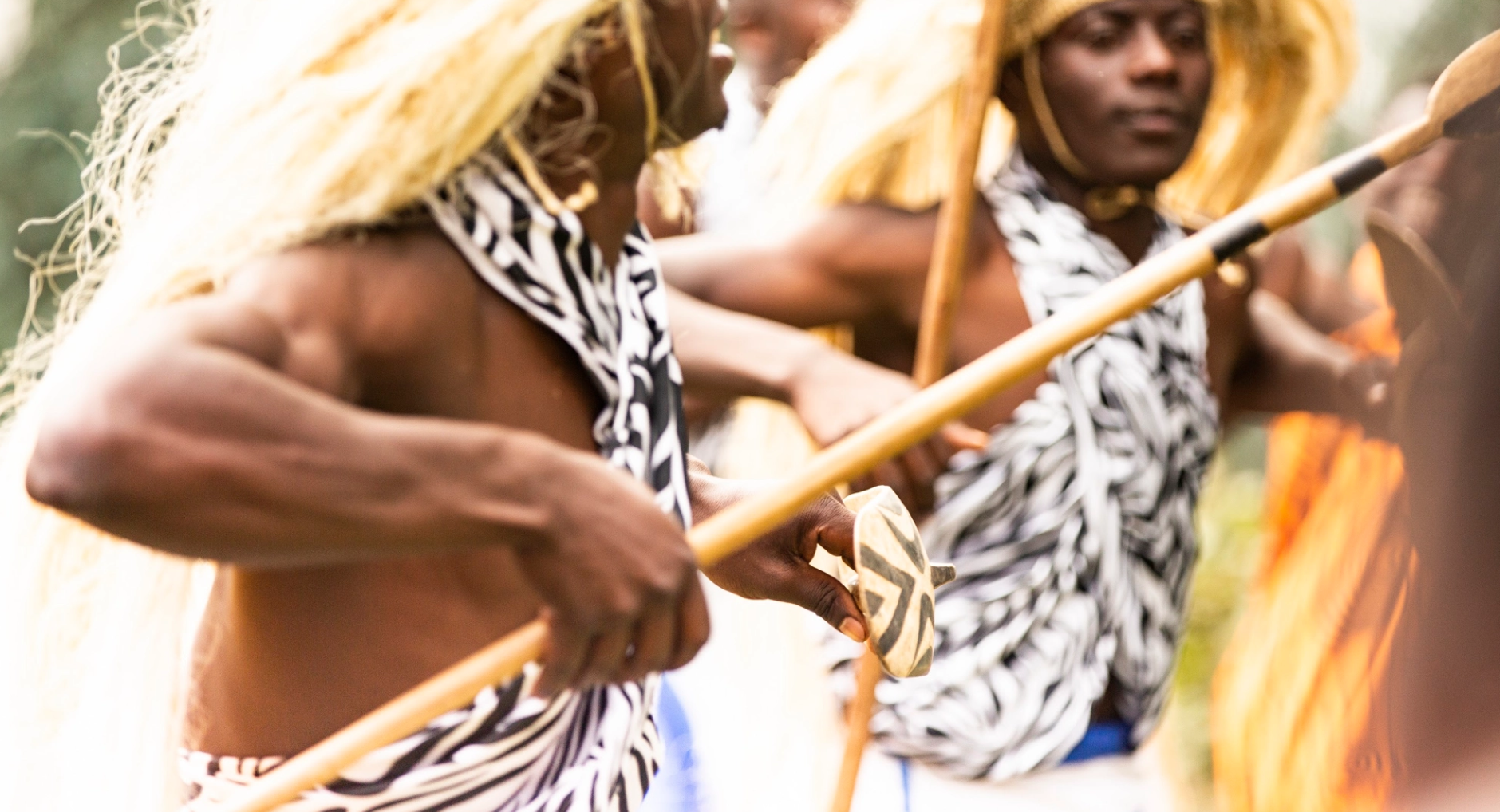
It’s nothing that shows up on a rate sheet. Most properties run a cultural night every other evening: staff-led music, dance, and drumming, that's genuinely their own culture, not a performance built for tourists. I once realized mid-song that my waiter from dinner was one of the drummers.
The rest happens off script. A group of stressed travelers came back from a game drive to find their guide had quietly arranged sunset yoga, no pressure, just an offer. On my own trip to Pamushana, in Zimbabwe, my husband and I were marking a real milestone. The staff picked up on it without being told, and what I thought was the walk back to the lodge turned into an unplanned sound bath on the riverbank with singing bowls under birdsong. I still call it one of my favorite safari memories.
None of that happens by accident. What does a relationship with a travel advisor change about a trip like this?
Everything off the printed itinerary. A ground team doesn't stumble onto what matters to a guest; an advisor passes that along ahead of time: dietary needs, a milestone worth marking, the kind of guide someone will click with. Add Virtuoso amenities, ground coordination across countries, and someone who can arrange a bush flight or a multi-country routing without a guest seeing the moving parts, and the real difference isn't the wildlife. Every guest on the same reserve sees the same animals. The difference is whether the trip feels built around a stranger, or built around you.
That's the part no brochure shows: not which animals you'll see, but whether anyone asked what you needed before you got there. Ask enough people who've been, and you'll hear some version of where this conversation started — they went once, and they're already planning the trip back.
Anyone can book a destination. Well Placed Travel finds your perfect place. It starts with a conversation. Email karen@wellplacedtravel.com
Thanks to Jessie for her insight and to Singita for photos and images.
Explore other great destinations.
